
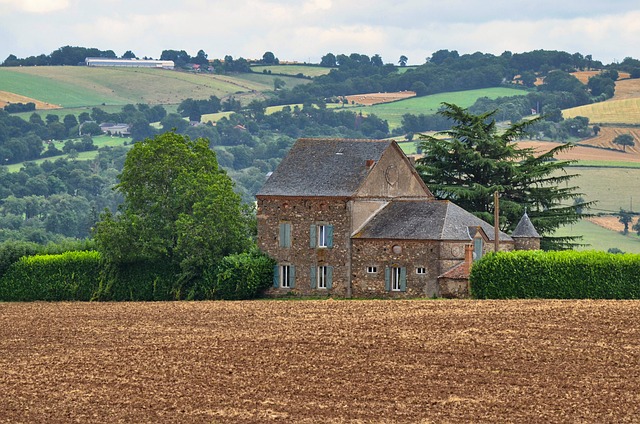
Are Farm House Floor Plans With Closed Concepts Redefining Modern Living
12 Closed Floor House Plans That Prove Defined Spaces Are Back
After years of open layouts dominating residential architecture, the pendulum is swinging back. Closed floor house plans are re-emerging as a thoughtful response to modern living needs—privacy, acoustic comfort, and energy efficiency. In the context of farm house floor plans, this shift blends rustic charm with technological precision. The return of defined spaces reflects not nostalgia but a refined understanding of human behavior and environmental demands.
The Return of Defined Spaces in Modern Farmhouse Architecture
The resurgence of enclosed layouts within farmhouse architecture marks a deeper cultural and architectural recalibration. It mirrors how people now value separation between work, rest, and family life without losing the warmth that defines rural aesthetics.
The Shift from Open to Closed Concepts
Historically, traditional homes featured compartmentalized rooms serving specific functions. Open concepts gained popularity in the mid-20th century as families sought connectivity and visual spaciousness. However, remote work culture and digital fatigue have reignited appreciation for boundaries. Defined rooms now create mental clarity and spatial rhythm that open layouts often lack. In farmhouses, this transition restores authenticity—rooms designed for purpose rather than spectacle.
Cultural and Lifestyle Factors Driving Renewed Interest
Contemporary homeowners prioritize acoustic separation for productivity and calm. Families balancing hybrid work schedules find closed concepts practical for zoning activities. Moreover, cultural trends toward mindfulness emphasize personal space as essential for well-being. The farmhouse aesthetic naturally accommodates this through tactile materials and layered textures that make enclosed areas feel nurturing rather than isolating.
Balancing Privacy with Communal Living
Modern farmhouse design achieves equilibrium between solitude and togetherness by orchestrating transitions through shared corridors or semi-open dining zones. Sliding barn doors or glass partitions maintain interaction while preserving privacy. This balance defines the new generation of farm house floor plans—functional yet emotionally resonant.
Architectural Principles Behind Closed Concept Farmhouse Designs
Closed concept planning requires more than adding walls; it demands an integrated approach to spatial flow and visual harmony. Architects reinterpret enclosure not as confinement but as intentional composition.
Spatial Organization Strategies That Enhance Functionality
Effective closed layouts rely on circulation logic—grouping related functions while minimizing unnecessary movement. For instance, positioning the kitchen adjacent to a breakfast nook yet separate from living areas enhances usability without sacrificing intimacy.
Integrating Structural Elements Without Compromising Aesthetics
Architects use partial walls, built-in shelving, or ceiling variations to delineate zones subtly. These structural cues reinforce function while maintaining cohesion across interiors. Timber beams or reclaimed wood panels often serve dual roles: load-bearing elements and aesthetic connectors between rooms.
Design Choices That Maintain Visual Cohesion Across Separated Areas
Consistency in materials such as oak flooring or matte black fixtures ties distinct spaces together visually. Repetition of color palettes—warm whites, soft greys—ensures continuity even when rooms are physically divided.
The Influence of AI Intelligence in Designing Farmhouse Floor Plans
As technology reshapes architectural workflows, AI intelligence introduces unprecedented precision into farmhouse planning. It transforms intuition-driven design into data-informed artistry.
How AI Is Transforming Architectural Planning
AI-powered tools analyze user preferences, site orientation, and local climate data to generate optimized layouts automatically. Machine learning models forecast spatial requirements based on household size or lifestyle patterns, reducing design revisions dramatically. These systems also simulate daylight distribution to refine room placement before construction begins.
Integrating AI for Customization and Sustainability
AI enables hyper-personalized experiences by aligning design outcomes with behavioral data—from preferred light exposure to traffic flow habits. Predictive algorithms suggest energy-efficient orientations that reduce HVAC loads by up to 20 percent in some studies by the IEA (International Energy Agency). Material selection guided by AI modeling supports sustainability goals without compromising aesthetics.
Smart Home Integration Enhancing Adaptability
Closed concept homes equipped with smart sensors adjust lighting or temperature per room usage automatically. This adaptability future-proofs traditional farmhouse styles while maintaining their characteristic warmth.
Functional Advantages of Closed Concept Farmhouse Floor Plans
Beyond aesthetics, defined spaces deliver measurable functional gains in comfort, acoustics, and energy performance—key priorities in contemporary residential design.
Enhancing Privacy and Acoustics
Individual rooms limit sound transmission effectively compared to expansive open areas. This acoustic control benefits families where simultaneous activities occur—children studying while adults attend virtual meetings. Private nooks also foster focus critical for remote professionals seeking distraction-free zones.
Climate Control and Energy Efficiency Benefits
Segmented layouts allow targeted heating or cooling instead of conditioning entire volumes unnecessarily. Insulated partitions stabilize indoor temperatures longer during seasonal shifts—a factor increasingly relevant amid rising energy costs reported by Bloomberg’s energy indices.
Improved Efficiency Over Large Open Layouts
Energy modeling consistently shows closed floor plans achieving better thermal retention metrics than open configurations due to smaller air exchange volumes per zone.
Aesthetic and Emotional Dimensions of Defined Spaces
Enclosure affects not only physical experience but emotional resonance within architecture—a quality deeply embedded in farmhouse tradition.
Creating Warmth Through Design Cohesion
Material continuity bridges separated rooms into a unified narrative: reclaimed timber beams echo across ceilings; linen draperies soften transitions between private suites and public lounges; layered lighting schemes introduce gentle gradients rather than abrupt contrasts.
Psychological Impact of Enclosed Environments
Defined boundaries cultivate security—a primal comfort derived from spatial containment. Clear zoning reinforces mental order; one room signals rest while another invites creativity or conversation. Yet transparency through glass inserts prevents claustrophobia by maintaining sightlines across zones.
Balanced Openness Within Closed Concepts
Contemporary farmhouses often employ partial openness—wide thresholds without full exposure—to sustain connection while respecting personal space boundaries.
Future Directions for Farmhouse Floor Plan Innovation
The intersection of craftsmanship and computation will define the next evolution of farm house floor plans—where tactile tradition meets digital foresight seamlessly.
Blending Tradition with Technology in Architectural Practice
Architects now employ parametric modeling software alongside artisanal detailing to reinterpret vernacular forms like gabled roofs or wraparound porches with modern efficiency standards compliant with ISO 16813 building performance guidelines.
Hybrid Layouts Combining Flexibility With Privacy
Emerging designs favor semi-open transitions connecting kitchens to dining halls while retaining enclosed home offices or media rooms—a pragmatic response to evolving family dynamics post-2020s lifestyle shifts.
Sustainable Materials Complementing AI-Assisted Planning
Reclaimed wood composites paired with AI-guided precision cutting minimize waste during fabrication phases—a tangible example of sustainability meeting innovation at scale within closed concept frameworks.
FAQ
Q1: Why are closed floor house plans becoming popular again?
A: They offer better privacy, noise control, and climate efficiency compared to open layouts while aligning with current lifestyle demands such as remote work flexibility.
Q2: How does AI intelligence improve farmhouse design?
A: It analyzes user data to propose efficient spatial arrangements, optimize sunlight exposure, and enhance sustainability through predictive modeling tools used in architectural software systems.
Q3: Are closed concept homes less social?
A: Not necessarily; thoughtful transitions like wide doorways or shared courtyards maintain community interaction without sacrificing individual retreat zones.
Q4: What materials best suit modern closed concept farmhouses?
A: Natural materials such as reclaimed wood, limestone tiles, matte metals, and neutral textiles preserve rustic authenticity while supporting thermal performance goals.
Q5: Can smart home systems integrate easily into traditional farmhouse styles?
A: Yes; concealed wiring solutions allow seamless integration where sensors manage lighting or temperature discreetly without altering visual character.