

Are ADU House Plans the Key to Solving Staten Island’s Housing Delays
A Family’s Housing Plan on Hold: Inside One Staten Island Man’s Struggle With NYC’s ADU Rollout
Staten Island’s housing situation has become a microcosm of New York City’s broader development gridlock. The borough’s tight zoning codes and drawn-out permitting cycles have left many homeowners, like one family waiting to build an Accessory Dwelling Unit (ADU), stuck in bureaucratic limbo. ADU house plans—once seen as a practical fix for affordability—now highlight how complex urban policy can stall even modest housing ambitions. This article examines the systemic barriers, technical constraints, and potential pathways toward a more functional ADU framework that could reshape Staten Island’s housing future.
The Context of Staten Island’s Housing Challenges
The housing strain in Staten Island reflects a mix of policy inertia and market pressure. Population growth continues while housing creation lags behind demand, forcing policymakers to reconsider tools like ADUs to relieve the imbalance.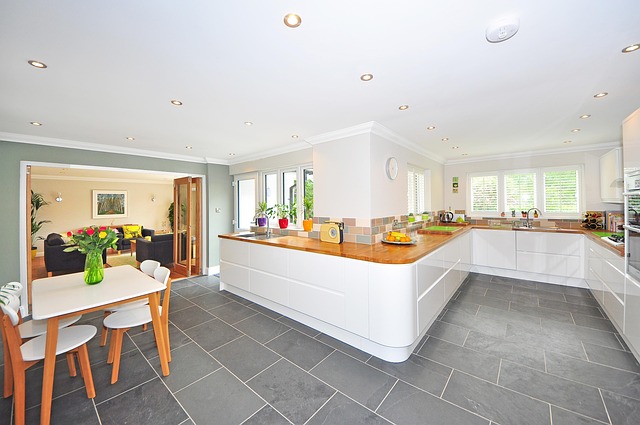
Understanding the Current Housing Landscape in Staten Island
Staten Island faces limited housing supply due to restrictive zoning and slow permit approvals. These constraints push up prices and reduce flexibility for families seeking affordable options. Population increases have deepened these pressures, leaving working- and middle-class residents with fewer choices. ADUs are being tested as a potential solution to expand available units without major redevelopment. In practice, though, the rollout remains uneven, with many homeowners encountering unclear guidance or long approval waits.
The Role of Urban Policy in Delaying Housing Development
Urban policy plays a decisive role in shaping how quickly new homes appear on the ground. Complex municipal regulations often create uncertainty for both builders and property owners trying to navigate overlapping requirements. Coordination between city agencies is another chronic bottleneck; projects can stall for months waiting for sign-offs from multiple departments. Community board reviews and local opposition frequently extend these timelines further, reflecting tension between neighborhood preservation and citywide housing goals.
The Promise of ADU House Plans in Addressing Delays
While policy hurdles persist, ADUs represent one of the most adaptable responses to New York City’s housing shortage. Their small footprint and flexible design make them particularly suited to Staten Island’s suburban character.
What ADU House Plans Represent for Urban Housing Expansion
ADU house plans allow property owners to add secondary living spaces within existing lots—whether attached suites or detached backyard cottages. They offer multigenerational families privacy without relocation and provide rental opportunities that support household income stability. Modular construction methods and cabin house plans can also shorten build times while lowering material costs, a vital advantage given rising interest rates and construction inflation.
How ADUs Could Streamline the Housing Process in Staten Island
Pre-approved design templates could simplify planning by reducing back-and-forth revisions during review stages. A standardized compliance route would encourage more homeowners to participate rather than abandon projects midstream. Aligning local rules with state-level incentives—such as low-interest financing or tax rebates—could further accelerate adoption rates across different neighborhoods.
Technical and Regulatory Barriers to Implementing ADUs in NYC
Despite their promise, implementing ADUs citywide requires overcoming entrenched regulatory limits that were never designed with small-scale infill housing in mind.
Zoning Limitations Affecting ADU Construction
Current zoning codes restrict secondary units in many low-density districts across Staten Island. Setback rules, maximum height limits, and lot coverage ratios often leave little room for feasible additions. Updating zoning maps could unlock significant infill potential by allowing property owners to make better use of underutilized land while preserving neighborhood aesthetics.
Permitting and Inspection Challenges
Even compliant projects face long review cycles before breaking ground. Inconsistent interpretations of building codes among borough offices add another layer of delay, frustrating applicants who meet all stated criteria yet still wait months for inspection clearance. Transitioning toward digital permitting systems would help improve transparency, track progress in real time, and reduce administrative lag.
Design Considerations for Effective ADU House Plans
Good design is not just aesthetic—it determines whether an ADU fits comfortably into its surroundings while meeting sustainability goals.
Architectural Adaptations for Urban Environments
Compact layouts must balance privacy with efficient use of space, ensuring adequate light and ventilation despite smaller footprints. Sustainable materials such as reclaimed wood or recycled steel align with New York City’s green building targets under Local Law 97. Cabin house plans are particularly adaptable here; their straightforward geometry allows customization within narrow lots typical of Staten Island neighborhoods.
Infrastructure Integration and Utility Planning
Proper integration with existing water, sewer, and electrical systems is critical to prevent overloading aging infrastructure. Stormwater management must also be addressed early through permeable surfaces or retention tanks to avoid runoff issues during heavy rains. Prefabricated utility modules can simplify installation when space is tight or access is limited by surrounding structures.
Economic Implications of Expanding ADU Adoption in Staten Island
The financial dimension determines whether homeowners view ADUs as realistic investments or risky undertakings amid uncertain returns.
Cost-Benefit Analysis for Homeowners and Developers
Initial costs vary based on site conditions and architectural complexity but often remain lower than full-scale new builds. For many families, rental income from an ADU can offset mortgage payments or property upkeep expenses over time. However, financial planning must account for potential reassessments that increase property taxes once construction concludes.
Potential Impact on Local Real Estate Markets
As more units enter circulation, rental prices could stabilize gradually across certain submarkets without triggering sharp declines in property values. Maintaining neighborhood character will remain central to community acceptance; incremental integration rather than rapid densification may prove most effective for long-term balance between growth and livability.
Strategic Pathways Toward an Effective ADU Policy Framework in NYC
Building momentum around ADUs will require institutional alignment across agencies that historically operate independently—a challenge but not an impossibility.
Collaborative Governance Between City Agencies and Stakeholders
Streamlined coordination among departments could eliminate redundant reviews that currently drag timelines out unnecessarily. Public-private partnerships might fund pilot programs demonstrating feasibility through real-world examples rather than theoretical models. Continuous feedback mechanisms would allow policies to evolve alongside data from completed projects instead of remaining static documents disconnected from practice.
Leveraging Data to Inform Future Housing Strategies
Tracking permit issuance patterns helps identify where procedural inefficiencies cluster geographically or administratively. Comparing outcomes with other cities’ mature ADU programs—such as Portland or Los Angeles—can yield actionable insights into what works under similar density pressures. Data-driven planning ensures equitable distribution of new opportunities so that no single district bears disproportionate change pressure while others remain untouched.
FAQ
Q1: Why are ADUs considered a viable solution for Staten Island’s housing shortage?
A: They expand available living space within existing neighborhoods without large-scale redevelopment, offering affordable options for renters and extended families alike.
Q2: What makes cabin house plans popular among urban homeowners?
A: Their compact design adapts well to limited lots while maintaining durability and aesthetic appeal consistent with suburban architecture.
Q3: How do zoning restrictions impact homeowner participation?
A: Strict setback and coverage rules limit where secondary units can be built, discouraging many applicants before they even begin formal submissions.
Q4: Can digital permitting systems really speed up approvals?
A: Yes, centralized online platforms cut paperwork delays by allowing simultaneous departmental review instead of sequential processing.
Q5: What economic benefits do homeowners gain from adding an ADU?
A: Beyond increasing property value, rental income provides steady cash flow that can offset mortgage costs or supplement retirement savings.