
How Can Home Styling Make Any Room Look Expensive?
Home styling is about making rooms look planned, comfortable, and complete without changing every wall, floor, or cabinet. If you want more ideas for a polished home, the Home & Interior section is a good place to keep browsing after this guide.
Good styling starts with how people really live at home. Shoes end up near the door, a laptop stays on the dining table, and a mug sits on the nightstand longer than it should. The aim is not to keep every room photo-ready all day. The aim is a home that can be put back in order without much effort and still feels good at 9 p.m. The U.S. Environmental Protection Agency says Americans spend about 90% of their time indoors, and some indoor pollutant levels can be two to five times higher than typical outdoor levels. So material choices, ventilation, clutter control, and comfort are part of style, not separate jobs. (epa.gov)
Why Does Home Styling Matter More than a Quick Decor Refresh?
A decor refresh often begins with buying new things. Home styling begins with the room: how it is used, what feels too heavy, where the eye stops, and what people touch every day. This matters because a nice-looking room can still be a problem if a chair blocks the walkway or the lamp is too weak for reading.
A Realistic Budget Before Big Work
Styling lets you test ideas before paying for construction. Harvard’s Joint Center for Housing Studies reported in March 2025 that U.S. home improvement and repair spending rose from $404 billion in 2019 to $611 billion in 2022, with spending expected to stay above $600 billion through 2025. That large market shows how much people care about their homes, but it also points to a simple truth: not every issue needs a remodel first. In many rooms, paint, lighting, better storage, and stronger furniture placement can fix the visual problem. (jchs.harvard.edu)
Daily Comfort as a Design Test
Before buying anything, look at one normal weekday. Notice where bags pile up, which seat gets used most, and which corner feels cold or empty. A living room with a good sofa but no side table beside it will still feel unfinished. A bedroom with five pillows but no clear surface for a book can look styled and still work poorly. Good home styling pays attention to these small daily problems.
Source-Based Decisions Not Guesswork
Trend posts can be useful for ideas, but data gives better context. Houzz reported in its 2024 U.S. Houzz & Home Study coverage that median remodeling spend rose from $15,000 in 2020 to $24,000 in 2023, while 56% of homeowners took on a renovation project in 2023. The same report said decorating projects were also taken on by 56% of homeowners. The point is clear enough: people still want change, but many also need smaller updates between major projects. (houzz.com)
How Can You Build a Room Plan That Feels Calm?
Calm rooms usually do not happen by chance. They tend to have fewer focal points, open walkways, and colors that repeat in a simple way. You do not need a formal design file, but it helps to set a few rules before opening too many shopping tabs.
One Main Function for Each Area
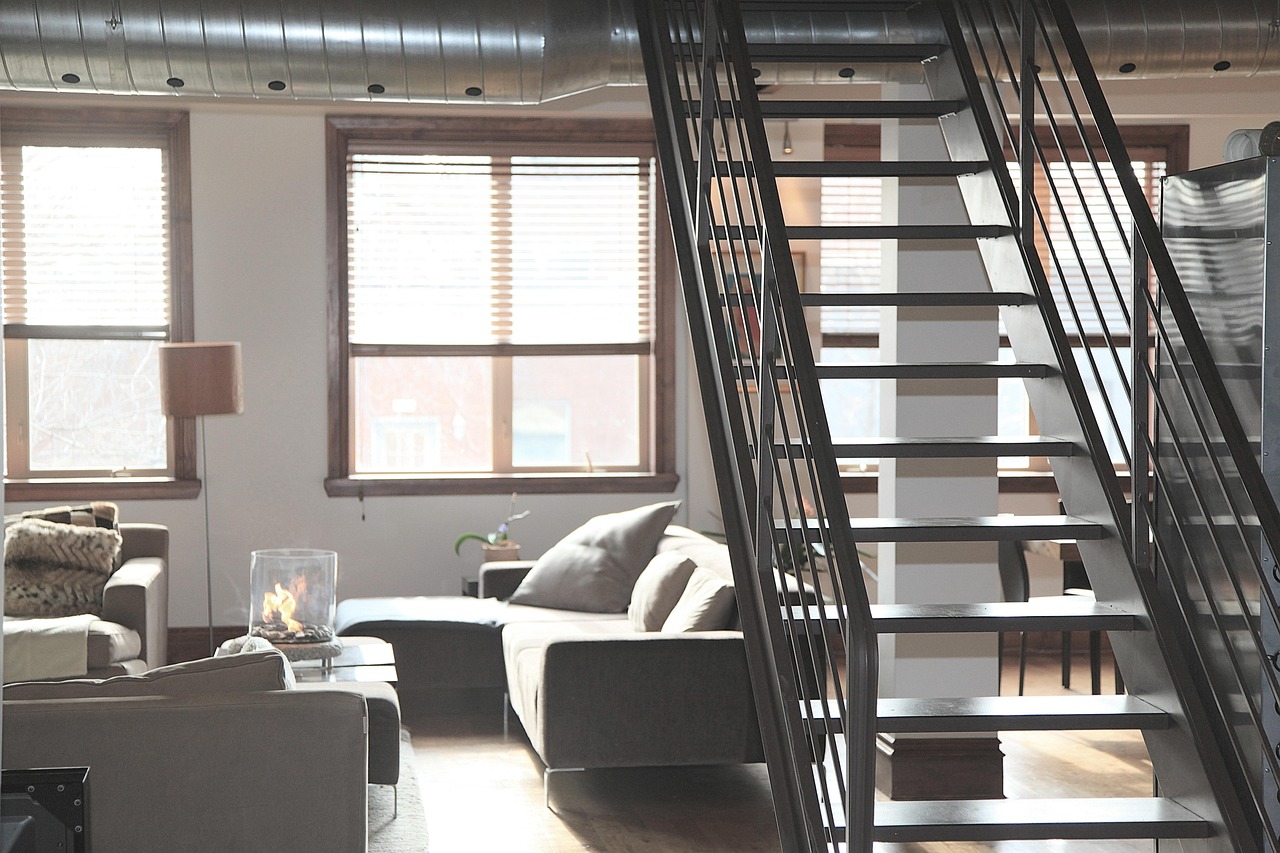
Give every zone one main job. In an open-plan space, a rug can mark the conversation area, a pendant can define the dining table, and a narrow console can make an entry feel separate. If a room has to handle several uses, put the most common use first. A home office corner used five days a week needs better light than a bar cart used twice a month. It is not glamorous, but it is how the room works.
A Simple Palette With One Accent
Pick one base color, one supporting neutral, and one accent. This is not a strict rule; it is a way to stop the room from going in too many directions. Warm white walls, oak furniture, black accents, and olive textiles can make a small apartment feel connected. In a family room, a blue-gray sofa, cream walls, walnut tables, and rust pillows can add depth without making the space feel busy. Repeat each main color at least twice so it looks chosen, not accidental.
Better Scale Before More Decor
Scale is where many rooms start to feel wrong. A tiny rug under a full-size sofa makes the room look unsettled. Curtains hung just above the window can make a tall wall feel shorter. A coffee table placed too far from the sofa turns snacks into a reach-and-spill problem. For most living rooms, an 8-by-10 rug works better than a 5-by-7, and curtain panels hung higher and wider often make windows look larger.
Which Home Styling Moves Make a Room Look Expensive?
An expensive-looking room does not always need expensive things. It usually has good proportions, controlled shine, layered texture, and fewer pieces competing for attention. Spend where the eye and hand notice quality, then save on items that are easy to replace later.
Layered Lighting at Three Heights
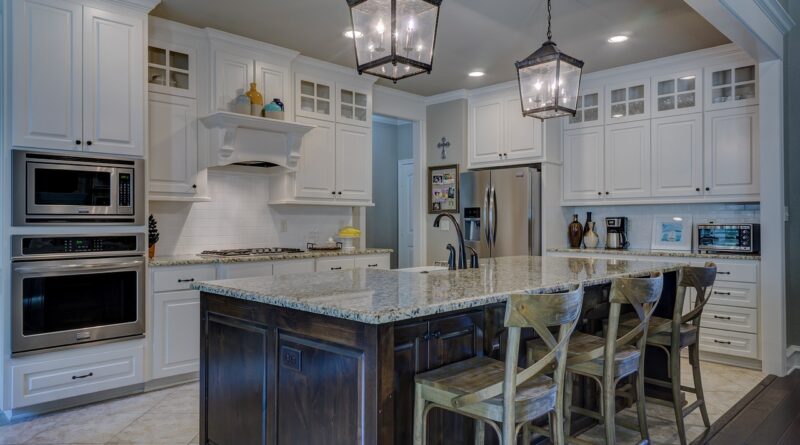
Use light at ceiling height, eye level, and low level. A ceiling fixture gives general light, a table lamp warms the area near faces, and a floor lamp helps with dark corners. In a bedroom, a pair of shaded lamps can make basic nightstands look more planned. In a kitchen, under-cabinet lighting can make simple counters feel cleaner and easier to use. Choose warm bulbs for bedrooms and lounges, then use brighter task light where you chop, read, or work.
Larger Rugs and Proper Curtain Lines
Textiles can change a room quickly. A rug should usually touch at least the front legs of the main seating pieces, so the furniture feels connected. Curtains should touch the floor or break slightly, not stop awkwardly above it. If custom drapery is not in the budget, ready-made 96-inch panels can still look clean when steamed and hung on a simple rod wider than the window frame. The small effort is easy to see.
Edited Surfaces With Fewer Better Pieces
A styled surface needs some empty space. Try a lamp, one stack of books, a tray, and something with shape, such as a bowl or branch. On a mantel, leave part of the surface open. On a coffee table, keep pieces low enough that people can talk across them. Too many small items read as clutter, even if each one is nice on its own. One heavier ceramic vase often works better than seven tiny souvenirs lined up like a gift shop shelf.
How Should You Style Kitchens, Bathrooms, and Work Areas?
These rooms have to earn their place every day. They should look good, but they also have to deal with water, cords, soap, paperwork, and the other plain parts of daily life. Style in these areas should support routine instead of trying to hide it.
Clean Counters With Useful Zones
In the kitchen, group items by task. Coffee tools stay together, cooking oils sit on a tray near the stove, and cutting boards lean where they are easy to reach. The U.S. Census Bureau and HUD’s 2023 American Housing Survey infographic reported that 51.6 million of 86.9 million homeowners made improvements, and flooring, paneling, or ceiling tile work appeared among the top improvement types at 21% of homeowners who improved their homes. Surfaces get heavy use, so styling should take durability seriously. (census.gov)
Soft Textures Around Hard Surfaces
Bathrooms and kitchens have many hard edges. Add softness with towels, washable runners, roman shades, or a small wooden stool. A bathroom can look more complete with matching towel tones, a covered bin, and one neat pump bottle. There is no need to decant every product in the house. That can turn into another job, and most people already have enough of those. See also: Building Styles.
Task Spaces That Stay Ready
A work area looks best when it can be reset in two minutes. Use one tray for daily papers, one cup for pens, and one closed box for chargers. If the desk sits in a living room, match the chair to the room style instead of choosing a bulky office chair by default. A small wall shelf above the desk can hold books and a plant without taking floor space.
What Materials and Colors Age Well?
Long-lasting style is less about one perfect trend and more about choices that still feel right after the newness wears off. No reliable public dataset proves one universal sofa color, metal finish, or styling formula works in every home. The better clues come from how people spend, what agents recommend before resale, and how materials perform in busy spaces.
Natural Textures With Quiet Contrast
Wood, linen, wool, stone, clay, rattan, and aged metal usually work well together because they add texture without strong pattern. A room with a linen sofa, a wool rug, a black metal lamp, and a wood table can feel richer even with a simple palette. Add contrast with care. If everything is beige, the room can feel flat. If every item has high contrast, the room can feel restless.
Paint That Connects Separate Rooms
Paint is one of the strongest styling tools because it changes the background for everything else. The National Association of Realtors reported in April 2025 that Realtors most often recommended painting the entire home before listing, at 50%, followed by painting a single interior room at 41%. That does not mean every home has to be white. It means clean, connected paint helps buyers and guests understand a home more easily. (nar.realtor)
Durable Finishes for Busy Homes
Choose finishes based on how the room is used. A washable matte or eggshell paint can be better in halls than a chalky finish that marks when a backpack brushes against it. Performance fabric may be worth paying for on the main sofa if kids, pets, or red wine are part of the room. For dining chairs, wipeable seats often beat pale woven fabric. A finish is more useful when it survives Tuesday night dinner.
How Can You Keep the Look Fresh Without Overspending?
A home should not need a full makeover every season. A practical home styling system gives you a steady base and a few small items that are easy to change. That way, a room can feel current without creating a storage problem.
Seasonal Changes in Small Doses
Change the light items, not the whole room. Pillow covers, throws, branches, taper candles, and one piece of art can shift the mood without much cost. In spring, use lighter cotton and glass. In fall, bring in wool, darker wood, and deeper color. Keep the big pieces steady unless they no longer work for the room.
Storage That Hides Visual Noise
Visual noise makes rooms feel cheaper than they are. Cords, mail, remote controls, toys, and half-used candles all build up over time. Good storage does not have to be complicated, but it does need to sit where people actually use it.
- Use lidded baskets for items that look messy in open bins.
- Place a small bowl near the entry for keys and sunglasses.
- Run cords behind furniture or through a simple cable sleeve.
- Keep one drawer empty enough for fast cleanup before guests arrive.
A Thirty-Minute Reset Routine
Once a month, reset one room. Remove every loose accessory, clean the surfaces, then put back only what still works. Rotate art, swap a lamp shade, move a chair, or cut greenery from the yard if you have it. This small routine keeps your home from collecting layers of good intentions. Funny thing, the best styled room often looks like less happened, not more.
FAQ
Q1: What Is the First Step in Home Styling? A: Start with function. Decide how the room needs to work, then remove items that block movement, light, or daily use. After that, choose color, lighting, and decor.
Q2: How Much Should You Spend on Home Styling? A: Spend first on items you touch daily, such as rugs, lamps, seating, and storage. Small updates like paint, pillow covers, and curtain changes can shift a room before you buy major furniture.
Q3: What Makes a Living Room Look More Expensive? A: Use a larger rug, layered lighting, properly hung curtains, fewer small accessories, and repeated materials. Scale and restraint usually matter more than brand names.
Q4: Which Colors Are Safest for Long-Term Styling? A: Warm whites, soft taupes, muted greens, deep blues, natural wood tones, and black accents tend to age well. The best choice still depends on your light, flooring, and furniture.
Q5: Can Renters Use These Home Styling Ideas? A: Yes. Renters can focus on rugs, lamps, removable curtains, art, furniture layout, plants, baskets, and peel-and-stick options where allowed by the lease.