
Victorian style house interior ideas that balance period character and modern living
What defines a Victorian style house interior?
A Victorian style house interior is usually layered, decorative, and planned room by room. It draws on the Victorian period from 1837 to 1901, but it is not one fixed look. A convincing Victorian-inspired home often combines architectural trim, expressive wallpaper, substantial furniture, patterned textiles, fireplaces or mantel focal points, and a clear distinction between public and private rooms. For most homeowners today, the aim is not to recreate every historical detail. It is to keep the richness of the period while making the house comfortable, lighter, safer, and easier to use.
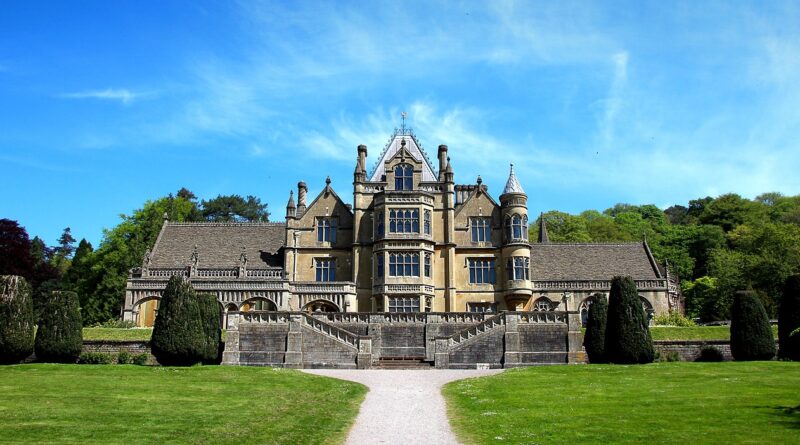
Victorian interiors can feel formal, romantic, Gothic, botanical, Arts and Crafts, or eclectic, depending on the house itself. In the United States, the style is often associated with Queen Anne houses, bay windows, asymmetry, ornate woodwork, stained glass, and generous porches. In Britain, the term also covers terraced houses, villas, townhouses, and suburban homes built during Queen Victoria’s reign. For more period-home inspiration across interiors and architecture, see the Home & Interior section.
The strongest schemes begin with the building, not with a shopping list. A narrow Victorian terrace needs a different interior strategy from a larger detached villa. A house with original ceiling roses, plaster cornices, encaustic floor tiles, and marble fireplaces can usually carry a richer decorative scheme. A simpler house may look better with more restrained references: strong wall color, vintage lighting silhouettes, framed art, and one or two statement patterns.
Key features to preserve or reintroduce
Before choosing furniture or wallpaper, identify the architectural details that give the house its period character. Historic building guidance from preservation organizations often treats windows, fireplaces, plasterwork, doors, floorboards, and decorative tiles as important parts of an older house’s integrity. Even when these elements look worn, they may have more long-term design value than quick replacements.
Fireplaces and mantelpieces
The fireplace is often the natural anchor of a Victorian room. Original examples may be marble, cast iron, timber, tiled, or a mix of materials. If the fireplace no longer works, the mantel can still organize the room visually. Use it for a mirror, artwork, candlesticks, ceramics, or a restrained seasonal display. Victorian rooms were layered, but that does not mean every inch needs to be filled. Modern editing keeps the composition legible.
Ceiling roses, cornices, and picture rails
Decorative plasterwork adds shadow, proportion, and a sense of finish. In rooms with high ceilings, a ceiling rose can make a pendant light feel grounded rather than isolated in a large ceiling plane. Picture rails are practical as well as decorative because they allow art to be moved without repeatedly damaging walls. If original plaster has been removed, a carefully scaled replacement can restore balance. Oversized reproduction moldings, however, can look theatrical in a modest room.
Sash windows, shutters, and window dressings
Many Victorian houses were designed around vertical sash windows. Their proportions affect how daylight enters the room and where furniture should sit. Where original windows remain, restoration and draught-proofing may preserve more character than full replacement. Interior shutters, lined curtains, or layered blinds can improve comfort while supporting the period feeling. Heavy curtains can be beautiful, but they should not block valuable daylight in already narrow rooms.
Hall tiles and timber floors
Patterned hallway tiles are among the most recognizable Victorian features. They work best when treated as a design asset rather than covered with synthetic flooring. Timber floorboards can also be retained, repaired, and softened with rugs. If the original floor is beyond repair, choose materials that respect scale and texture instead of imitation finishes that look too glossy or too uniform.
Color, wallpaper, and pattern without overload
Victorian interiors are often remembered for strong color and dense pattern, but every surface does not need to compete. A modern Victorian style house interior works best when each room has one leading idea: a dark green dining room, a botanical wallpapered bedroom, a jewel-toned sitting room, or a calm hallway where patterned tiles are the main feature.
Deep colors such as burgundy, bottle green, ochre, navy, plum, chocolate brown, and warm terracotta can suit rooms with good ceiling height and architectural trim. Lighter versions of these colors may work better in compact spaces. If a room lacks strong natural light, a dark color can still be effective, but it needs support from layered lighting and reflective accents such as mirrors, brass, glass, or glazed ceramics.
Wallpaper is one of the clearest ways to reference Victorian taste. Botanical trails, damasks, stylized leaves, birds, stripes, and small repeat patterns can all feel appropriate. The Arts and Crafts movement, closely associated with designers such as William Morris, became a major influence on late nineteenth-century domestic interiors. The useful lesson today is not to copy one pattern everywhere, but to use craft, rhythm, and nature-inspired ornament with control.
A practical rule is to vary pattern scale. Pair a large botanical wallpaper with a smaller geometric rug, or combine striped curtains with plain upholstery and patterned cushions. If the wallpaper is highly detailed, let the ceiling, trim, or fireplace breathe. If the walls are plain, textiles and art can carry more of the visual weight.
Furniture and layout for modern Victorian rooms
Victorian furniture often has a strong physical presence: carved wood, turned legs, buttoned upholstery, cabinets, sideboards, bookcases, and occasional tables. A fully furnished period room can become heavy quickly, especially in smaller homes. The modern answer is selective weight. Choose a few pieces with strong silhouettes, then balance them with simpler contemporary seating, cleaner-lined storage, or lighter fabrics.
Living rooms
In a Victorian living room, the fireplace or bay window usually sets the layout. Avoid pushing every piece of furniture against the walls. A conversational grouping around the fireplace, anchored by a rug, can make a long room feel more intimate. A bay window can hold a reading chair, plants, or a small writing desk, but it should not become an overcrowded display area.
Dining rooms
Dining rooms can handle richer treatment because they are often used in the evening. Dark walls, a pendant or chandelier, framed art, a sideboard, and a patterned rug can create a period atmosphere without reducing function. If the room is used daily, choose durable upholstery and washable finishes rather than delicate antiques that make the space feel off-limits.
Bedrooms
A Victorian-inspired bedroom does not need to be dark. A metal bed frame, upholstered headboard, antique chest, botanical wallpaper, layered bedding, and warm bedside lighting can suggest the period while keeping the room restful. Softer colors such as sage, dusty rose, cream, muted blue, or warm gray often work better here than the deepest heritage shades.
Kitchens and bathrooms
Original Victorian kitchens and bathrooms rarely match modern expectations, so these rooms usually require interpretation rather than strict reproduction. Shaker-style cabinetry, stone or timber worktops, aged brass or nickel hardware, simple wall tile, freestanding furniture, and well-proportioned lighting can bridge old and new. In bathrooms, a clawfoot tub, console basin, framed mirror, or patterned floor can provide a period reference, while modern waterproofing and ventilation remain essential. See also: Building Styles.
Lighting, textiles, and decorative layers
Victorian homes developed during a period of major change in domestic lighting, including the wider use of gas and later electric lighting. The practical takeaway for today is simple: one overhead fixture is rarely enough. Period-style interiors need layers, including ceiling lights, wall sconces, table lamps, floor lamps, and task lighting where people read, cook, dress, or work.
Choose lighting that suits the scale of the room. A large chandelier may fit a tall entry hall or dining room, while a smaller pendant, opal glass shade, or lantern-style fixture may suit a bedroom or hallway. Wall lights can highlight fireplaces, alcoves, mirrors, and artwork. Warm color temperature usually flatters wood, plaster, textiles, and traditional paint colors better than cool white light.
Textiles bring the Victorian look to life. Curtains, rugs, cushions, throws, upholstery, and lampshades all help build depth. Velvet, wool, linen, damask, tapestry-inspired weaves, and embroidered details can work well. The key is contrast: matte and sheen, plain and patterned, dark and light. A room with only heavy fabrics can feel airless; a room with only smooth modern surfaces can lose the period mood.
Decorative objects should feel collected rather than staged. Books, ceramics, framed prints, botanical studies, landscape paintings, clocks, mirrors, and glassware are all fitting choices. Restraint still matters. Group smaller objects on trays, mantels, shelves, or sideboards so the room reads as intentional rather than cluttered.
How to make Victorian style feel current
The main challenge is avoiding a costume interior. A Victorian style house interior feels current when it respects the building’s bones but also solves modern problems: storage, daylight, heating, wiring, acoustics, family use, and maintenance. The best rooms usually mix periods rather than freezing the house in one decade.
| Design decision | Traditional reference | Modern adjustment |
|---|---|---|
| Wall treatment | Rich paint, wallpaper, picture rails | Use one dominant pattern or color per room to avoid visual fatigue |
| Furniture | Dark wood, carved details, upholstered seating | Mix antique pieces with simpler modern forms for comfort and circulation |
| Lighting | Pendants, lamps, sconces, decorative shades | Add dimmers, task lights, and warm LEDs for flexible daily use |
| Flooring | Timber boards, tile, rugs | Repair where possible and add rugs for comfort, acoustics, and zoning |
| Storage | Freestanding cabinets, sideboards, wardrobes | Use fitted storage in alcoves while keeping trim, fireplaces, and windows visible |
Color is another useful way to modernize. Instead of using the darkest tones everywhere, consider a controlled palette that repeats across rooms. For example, a hallway might use warm neutral walls with patterned tile, the living room a deep green, the dining room a reddish brown, and bedrooms softer versions of the same colors. This creates continuity without making every room feel the same.
Modern art can also work well in a Victorian house. The contrast between ornate plasterwork and clean contemporary pieces often strengthens both. The same is true of furniture: a modern sofa can sit comfortably beside an antique side table if the palette, scale, and materials are considered.
Common mistakes to avoid
- Copying a single historical image too literally. Victorian interiors varied widely by decade, country, wealth, and taste. Use historical references as guidance, not as a rigid script.
- Removing original features before assessing them. Fireplaces, doors, trim, tiles, and floorboards may be repairable even when they look tired.
- Choosing reproduction pieces that are too large. Many modern replicas exaggerate ornament and scale, which can overwhelm modest rooms.
- Using pattern everywhere without hierarchy. Pattern needs quiet surfaces nearby so the eye can rest.
- Ignoring lighting. Dark paint and heavy textiles require multiple light sources, especially in winter or north-facing rooms.
- Forgetting daily life. A beautiful room still needs comfortable seating, practical storage, safe wiring, and surfaces that can handle regular use.
When in doubt, protect the permanent parts of the house and experiment with reversible elements. Paint, rugs, curtains, cushions, art, and freestanding furniture can be changed more easily than windows, fireplaces, floors, or plasterwork. This is especially important in listed, landmarked, or conservation-area properties, where alterations may require approval.
Frequently asked questions
What colors are most associated with Victorian interiors?
Deep greens, burgundy, ochre, navy, plum, brown, cream, and warm red tones are commonly associated with Victorian-inspired interiors. The right choice still depends on room size, daylight, ceiling height, existing woodwork, and how formal you want the space to feel.
Can a small home use Victorian style?
Yes. In a small home, focus on proportion rather than abundance. Use one strong wallpaper, a well-scaled antique piece, a framed mirror, traditional lighting, and layered textiles. Avoid oversized furniture and excessive dark finishes in rooms that already feel narrow.
Is Victorian style the same as maximalism?
Not exactly. Victorian interiors often include layers of pattern, furniture, art, and objects, so they can overlap with maximalism. But a historically sensitive Victorian room still needs structure, symmetry or balance, functional circulation, and a clear focal point.
How do you update a Victorian house without losing character?
Keep or restore defining features such as fireplaces, windows, plasterwork, doors, tiles, and timber floors where possible. Add modern comfort through lighting, heating, storage, insulation, kitchens, and bathrooms. Use contemporary pieces selectively so the house feels lived in rather than staged.
What is the easiest way to start a Victorian style house interior?
Start with one room and one focal point. That might be a fireplace, bay window, wallpapered wall, antique cabinet, or patterned rug. Build the palette and furniture around that feature, then add lighting and textiles to create depth.