

Is an Interior Decorator Worth It for Your Home
What Does an Interior Decorator Actually Do?
An interior decorator helps you sort out how a room looks, feels, and works day to day, without changing the main structure of the home. The floor plan may be fine, the windows may bring in enough light, and the walls may not need any major work, but the room can still feel plain or unfinished. This is where decorating becomes more than choosing nice items. It connects color, size, fabric, lighting, furniture, art, storage habits, and the small details that make a home feel lived in.
Room Style and Mood
A decorator first looks at what the room is already saying. It may feel formal, casual, bright, quiet, coastal, modern, or a mix of several things because items were bought at different times. The work often starts with mood boards, color ideas, and a clear style direction. That does not mean the home has to look like a showroom. Most good rooms still keep a few personal pieces, such as an old chair you like or family photos that do not match every frame.
Color, Fabric, and Finish Choices
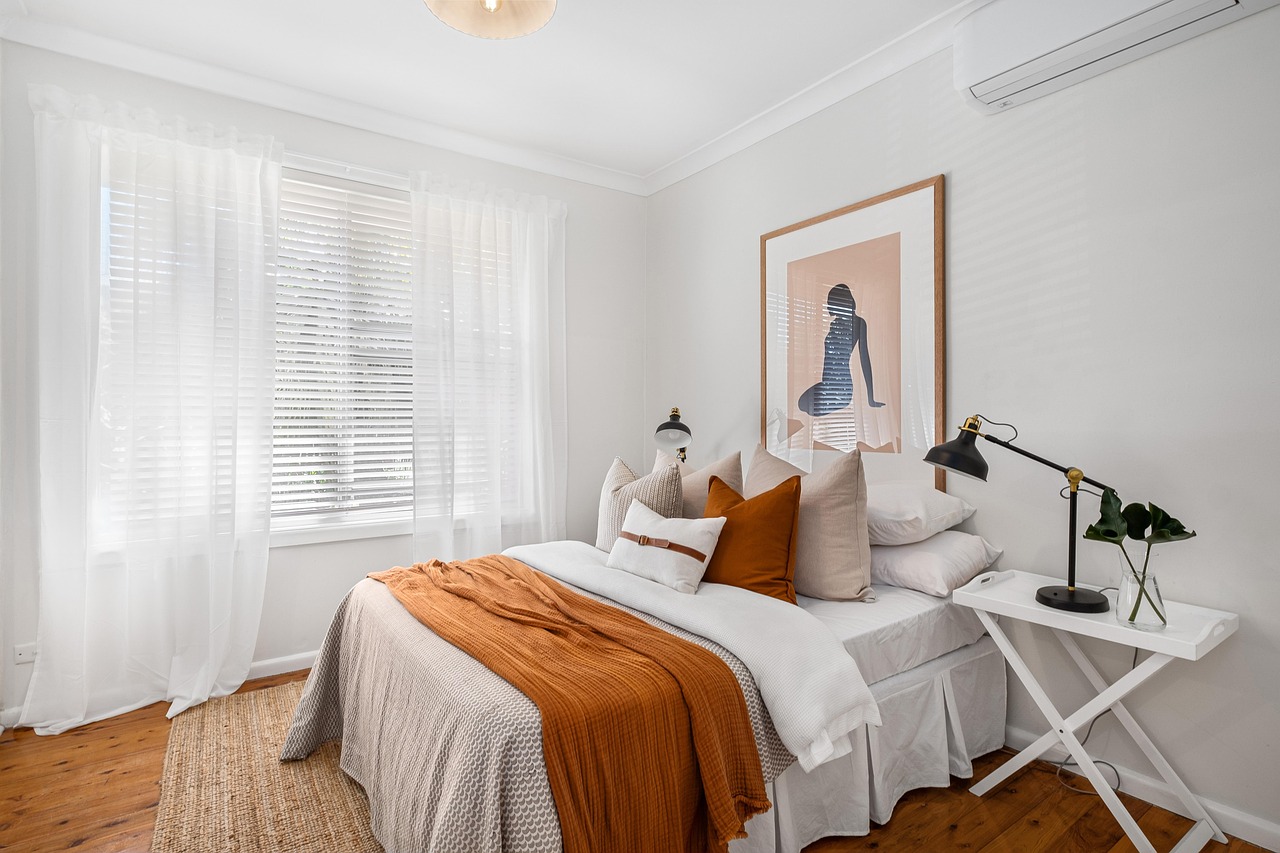
Color sounds easy until a gray wall starts looking purple in the afternoon light. A decorator checks paint, fabric, wood tones, metal finishes, rugs, and window treatments in the actual light of your home. This step matters because a warm white sofa, a cool stone fireplace, and yellow oak floors can clash if nobody checks the undertones. It is much cheaper to catch that on samples than after the room is finished.
Shopping Lists and Styling Plans
Decorators also help you buy things in a better order. Many rooms go off track because the rug is too small, the sofa is ordered before the layout is checked, or lighting is left until the end. A clear plan gives sizes, quantities, placement notes, and a shopping sequence. With that in place, the room comes together piece by piece instead of filling up with random purchases.
How Is an Interior Decorator Different from an Interior Designer?
The two jobs can overlap, but they are not the same. If the project includes structure, codes, permits, plumbing, electrical relocation, or accessibility planning, an interior designer, architect, or contractor may need to handle that part. A decorator is usually the better fit when the walls can stay as they are, but the room needs better style, scale, and finish.
Decoration, Not Structural Design
An interior decorator works on the visible parts of a room, including furniture, color, wallpaper, window coverings, accessories, lighting style, art, and placement. Those choices can change how the whole home feels, but they usually do not include moving load-bearing walls or redesigning mechanical systems. If you want a new kitchen layout, a decorator may help select finishes. The technical drawings and build details should still be handled by a qualified design or construction professional.
Licenses, Codes, and Drawings
The U.S. Bureau of Labor Statistics noted in its Occupational Outlook Handbook, updated in 2025, that interior designers often work with building codes and accessibility standards. It also projected 3 percent employment growth for interior designers from 2024 to 2034. That is why design training matters on regulated projects. Decorating is a separate service, and it is still useful when the main need is style, furnishing, and room finish.
Best Fit for Each Project
Choose a decorator for a living room refresh, bedroom makeover, new-home furnishing plan, paint palette, rental styling, or pre-sale presentation. Choose an interior designer or architect when walls move, permits are needed, or safety rules become part of the job. On larger homes, both roles may be involved. In many cases, that keeps the project cleaner and easier to manage.
When Should You Hire an Interior Decorator?
You do not need a decorator for every lamp, cushion, or small shelf. The best time to bring one in is before you start spending real money. Even a short design consultation early on can stop months of returns, mismatched items, and furniture that looked smaller online than it does in the room.
Before You Buy Large Furniture
Sofas, dining tables, beds, rugs, and built-ins set the room size and layout. If one main piece is too large or too small, everything else has to work around that mistake. A decorator can check walking space, door swings, TV angles, seat depth, and furniture spacing before you place the order. In a normal living room, the choice between a 96-inch sofa and an 84-inch sofa can decide whether a side chair fits at all.
During a Refresh or Light Remodel
If you are repainting, changing floors, replacing lights, or updating cabinet hardware, it is better to call a decorator before the finishes are final. Small choices can set the look of a room for years. Black fixtures may look clean in a powder room, for example, but they can feel too heavy in a small kitchen with dark counters. A trained second eye helps you judge the whole room, not just one sample in your hand.
When the Room Feels Almost Right
Some rooms are not really wrong; they just feel unfinished. The rug may be fine, the sofa may be fine, and the lamps may be fine, yet the room still feels flat. A decorator can often see the missing layer, such as warmer light, better art height, softer fabric, stronger scale contrast, or cleaner symmetry. This kind of work is usually cheaper than replacing everything.
How Much Value Can Better Decorating Add?
Decorating value is not only about resale price. It also includes daily comfort, fewer wrong purchases, better room use, and better photos if you plan to sell. Public market data gives some useful background here. Home projects still take a large share of household spending, and finish choices often shape how owners and buyers feel about a property.
A Market with Serious Spending
The Harvard Joint Center for Housing Studies reported in Improving America’s Housing 2025 that U.S. home improvement and repair spending rose from $404 billion in 2019 to $611 billion in 2022, with spending expected to remain above $600 billion through 2025. The reason is not hard to see. Many homeowners are staying in place, improving older homes, and trying to make the spaces they already own work better. Decoration is one part of that wider habit of putting money into the current home instead of moving.
Paint, Kitchens, and Buyer Appeal
The 2025 Remodeling Impact Report from the National Association of Realtors and the National Association of the Remodeling Industry found that Realtors most often recommended painting the entire home before listing, at 50 percent, followed by painting one interior room, at 41 percent. The same report gave a kitchen upgrade a top Joy Score of 10. The point is practical: fresh and well-matched surfaces matter. Buyers react quickly, and homeowners have to live with those choices every day.
Daily Comfort as a Real Return
Houzz reported in its 2025 U.S. Houzz and Home Study that 54 percent of homeowners renovated in 2024, with median spending of $20,000, based on nearly 22,000 U.S. respondents. Not every room needs that level of budget. A decorator may help you spend a few hundred dollars on paint and lighting instead of several thousand dollars on furniture you did not need. That kind of saving is not always obvious, but it counts. See also: Building Styles.
What Should You Prepare Before the First Meeting?
A decorator can work faster when you bring useful details. You do not need a polished presentation or a perfect folder. Phone photos, rough measurements, and honest notes about what bothers you are enough for a first talk. The dog bed, shoe pile, and phone charger beside the sofa matter too, because real rooms have real habits.
Photos, Measurements, and Floor Plans
Take photos from each corner of the room in daylight, then take a few more at night with the lights on. Add ceiling height, window sizes, doorway widths, and the dimensions of furniture you want to keep. If you have a builder floor plan, share it with the decorator. If not, a simple sketch is still helpful. Accuracy is more important than how neat it looks.
Budget Ranges and Decision Rules
Give a real range instead of saying the budget is reasonable. A $2,500 bedroom refresh and a $15,000 bedroom refresh can both work, but the sourcing plan will not be the same. It also helps to decide where you want to spend and where you want to save. Many homes get more benefit from better lighting, a larger rug, and custom window treatments, while smaller accessories can stay simple.
Inspiration Saved with Notes
Save rooms you like, but add a short note about why you like them. Notes such as warm wood, simple curtains, or not too beige are more useful than a folder full of perfect rooms with no comments. It also helps to save two or three rooms you dislike. Those examples can stop the project from moving toward a look that works online but feels wrong in your home.
How Do You Choose the Right Interior Decorator?
The right decorator is not always the one with the biggest name. You need someone who listens, explains choices clearly, respects your budget, and has worked on homes similar to yours. A strong portfolio is useful, but the way the person works is just as important.
Portfolio Fit and Real Homes
Look for past projects with similar room sizes, ceiling heights, family needs, and budgets. If every photo shows a large new-build house, the decorator may still be good, but ask to see a smaller refresh or a lived-in home. You need proof that they can solve your kind of room. A perfect photo is not enough if your home has kids, pets, low ceilings, or a tight layout.
Clear Fees and Scope
Ask how fees work before the project starts. Some decorators charge hourly, some offer flat packages, and some earn through product purchasing. None of these models is a problem by itself. What matters is clear scope: what is included, how many revisions you get, who orders the items, how returns are handled, and when the job is considered finished.
Sourcing, Lead Times, and Communication
Furniture lead times, backorders, and freight costs can change a project quickly. A good decorator will tell you what is in stock, what is custom, and what can wait. Ask how often you will get updates and how decisions will be approved. The work should feel organized, but not rigid. You should feel guided, not pushed into choices.
FAQ
Q1: Is an Interior Decorator Worth It for a Small Room? A: Yes, especially when the room has limited space. A decorator can help with scale, storage, lighting, and color so a small room feels planned instead of crowded.
Q2: How Much Should You Budget for an Interior Decorator? A: Fees depend on the city, project scope, and service model. Separate the professional fee from the product budget first, then ask for a written scope before you buy furniture or decor.
Q3: Can an Interior Decorator Work with Furniture You Already Own? A: Yes. Many decorators prefer to reuse good pieces when they fit the plan. A room may only need a better layout, new textiles, updated lighting, and a cleaner color palette.
Q4: Should You Hire a Decorator Before or After Renovation? A: Hire one before finishes are final. Paint, flooring, lighting, hardware, and furniture need to work together, so early advice usually gives a better result.
Q5: What Is the Biggest Mistake to Avoid? A: Buying large items without a plan. Measure first, choose the mood, set the budget, and confirm the layout before ordering sofas, rugs, dining tables, or beds.