
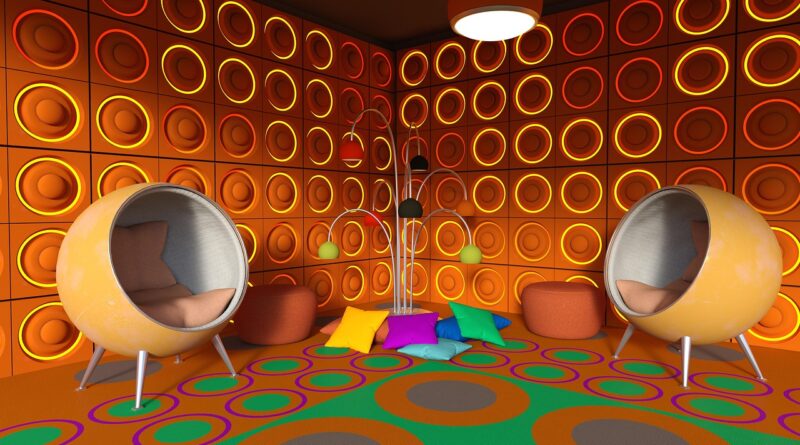
How Can You Make a 70s Home Interior Look Expensive Today?
Why Does a 70s Home Interior Still Feel So Livable?
A 70s home interior still works because it was made for people to sit down, talk, and use the room. With a careful edit, it can feel warm and current without turning into a staged retro set. Keep the wood, texture, and color that give the house its character, then deal with the parts that make it dark, heavy, or worn out. For more ideas on planning rooms with a clear point of view, visit the Home & Interior section.
Warm Materials and Low-Pressure Rooms
The stronger 1970s rooms were built around things you can feel by hand. Walnut, oak, cork, wool, leather, rattan, brick, and chunky woven fabric all bring weight without looking shiny or cheap. These materials also take age better than flat plastic finishes, because small marks and tone changes become part of the surface. For a present-day room, two or three natural textures are usually enough. A walnut sideboard, a wool rug, and a linen shade can carry the room without crowding it.
Sunken Conversation Ideas Without the Pit
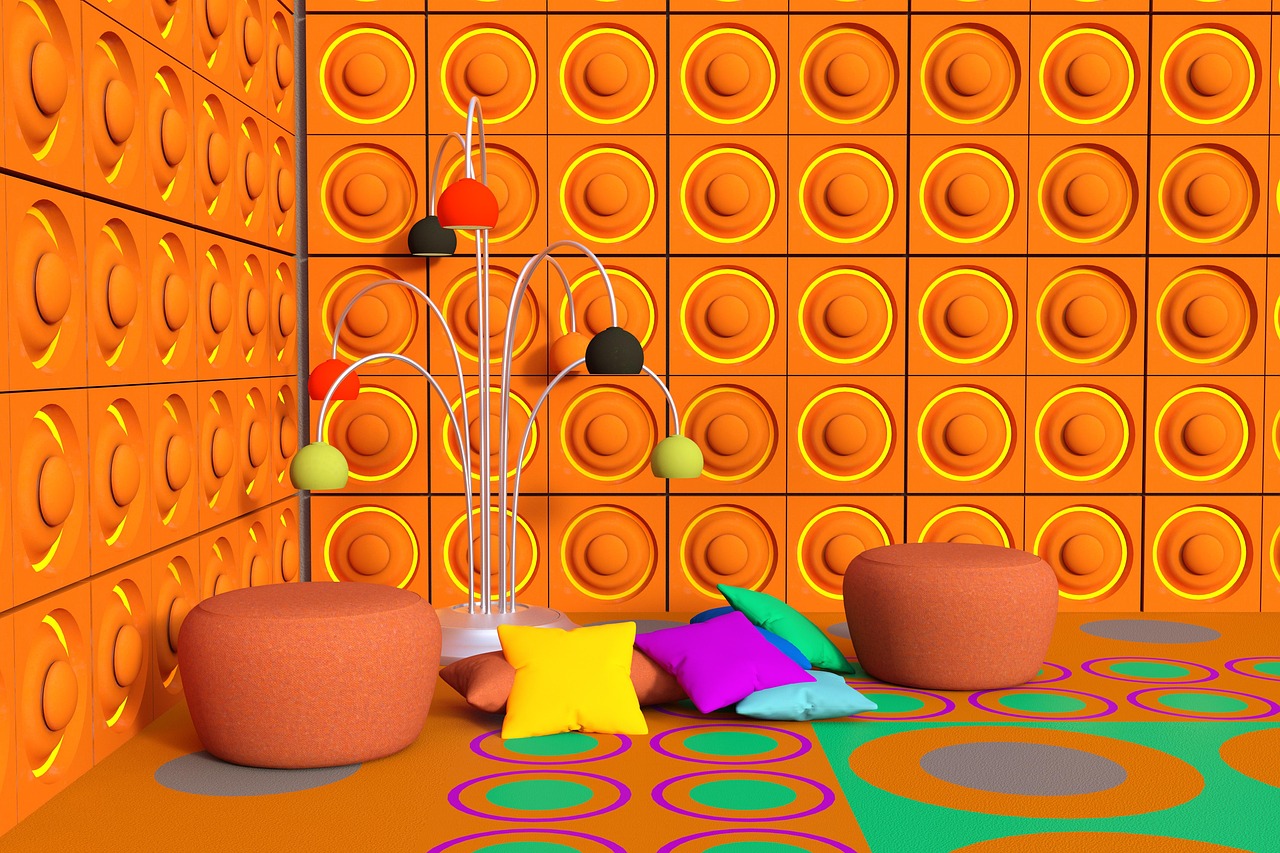
The conversation pit is the well-known 70s idea, but most homes do not need a hole in the floor. The useful part is the seating plan, not the pit itself. Put a sofa, two low lounge chairs, and a round coffee table close enough for people to talk without raising their voice. Keep seat heights easy to use, and add one floor cushion if the room has space. It is a small move, but it changes how the room works when people come over.
Real Housing Stock Behind the Trend
This style is not only about old photos and nostalgia. The U.S. Census Bureau American Community Survey 2020 to 2024 5-Year Estimates list 20,359,888 U.S. housing units built from 1970 to 1979, or 14.2% of total housing units. That number covers many split-level homes, ranch houses, condos, and suburban family rooms. In other words, many owners are not building a 70s home interior from zero. They are trying to work with houses that already have the lines and materials of that decade.
Which 70s Colors Should Stay and Which Should Go?
Color is usually where a 70s refresh either works or goes wrong. The decade used earth tones, spice colors, cream, and deep shade. Those colors still have value, but they need some control. If every surface is orange, brown, and gold, the room can feel like a theme bar. When those same colors sit next to cleaner neutrals and better light, they look more settled and more expensive.
Earth Tones With Cleaner Whites
Terracotta, rust, tobacco brown, olive, ochre, and camel still work because they come from stone, clay, bark, and dried grass. They feel natural, not random. Pair them with warm white instead of cold blue-white, especially in rooms with dark trim or wood paneling. A cream ceiling can lift a brown-paneled room without taking away its mood. It also helps in listing photos, since dark rooms often look smaller online than they feel in person.
Avocado and Harvest Gold in Smaller Doses
Avocado green and harvest gold are classic 70s colors, but they work better when they are kept in one area. Use avocado on a velvet chair, a powder room vanity, or a ceramic lamp. Use gold in art, glassware, or a small tiled backsplash. You still get the reference, but the room does not feel heavy. If the house already has original colored appliances, treat them as the main feature and keep the cabinets and counters calmer.
Brown Wood Balanced by Light Surfaces
Brown wood often gets blamed for making 70s homes gloomy, but the real problem is usually weak contrast. If the grain is good, keep the wood and work around it. Pale counters, lighter rugs, plain window fabric, and matte plaster walls can all take some visual weight off the room. You do not need to paint every beam white. In many rooms, one cream rug under a dark wood coffee table does more than a full weekend of sanding.
How Can You Keep Vintage Character Without Making the Room Feel Old?
Vintage character needs space around it. A 1970s house can handle strong furniture and pattern, but it can also get busy fast. Many original rooms already have exposed brick, lower ceilings, dark trim, or big fireplace walls. Pick the pieces that tell the story, then let the rest of the room do quiet work.
One Hero Piece per Room
Choose one main vintage feature for each space. In a living room, it might be a low leather sofa. In a dining area, it may be a smoked-glass pendant. In a bedroom, a cane headboard can set the tone. When every item tries to stand out, the room loses direction. One hero piece gives the design an anchor and also makes buying decisions easier.
Pattern Used With Breathing Space
Geometric prints, floral upholstery, and striped rugs all belong in this look, but the size and placement matter. A large pattern on curtains may need a plain sofa beside it. A patterned sofa often needs simple walls and fewer small accessories. Put pattern where the eye can read it from a normal distance. Avoid tiny busy prints across too many surfaces, because they can make the room feel restless. That works against the relaxed side of 70s style.
Lighting That Fixes Heavy Corners
Many homes from that period rely on ceiling fixtures that do not give enough light in the right places. Add table lamps, floor lamps, wall washers, and under-shelf lights where the room feels flat or shadowed. A dark paneled den can look much better with three warm light sources at different heights. Use bulbs in the 2700K to 3000K range for a soft tone. Skip harsh daylight bulbs unless the room is being used as a workshop.
What Should You Update First in a 1970s House?
Before buying another velvet chair, check the parts of the home that affect comfort, safety, and daily use. A good 70s interior refresh is not only about paint and furniture. Floors, air quality, storage, wiring checks, and old materials all matter. Some of this work is not exciting, but it makes the design work look better and last longer.
Floors Before Decorative Layers
Floors set the mood for the whole house, especially in a 70s home interior with open sightlines or long rooms. The 2022 Remodeling Impact Report from the National Association of Realtors and the National Association of the Remodeling Industry found that refinishing hardwood floors had a 147% cost recovery estimate, while new wood flooring had 118%. Both also received a perfect Joy Score of 10. For a 70s home, this points to a practical order of work. Restore real wood when possible before putting too much budget into small decor.
Ventilation and Safer Material Choices
The U.S. Environmental Protection Agency reported in 2026 that Americans spend about 90% of their time indoors, and some indoor pollutant levels are often 2 to 5 times higher than typical outdoor levels. That matters on real projects when old carpet comes out, paneling gets painted, floors are refinished, or new furniture is brought in. Choose low-VOC finishes where you can, ventilate during the work, and test suspect materials before demolition. Older popcorn ceilings, adhesives, and floor tiles may need professional review. It is better to check first than to create a bigger cleanup job later.
Storage That Hides Modern Clutter
The 70s look feels calm when the visible surfaces are not overloaded. Modern homes have chargers, devices, pet gear, sports bags, and kitchen tools that most 1970s rooms were never planned to store. Add closed storage that feels period-friendly, such as flat-front wood cabinets, tambour doors, bench drawers, or a long credenza. It is not a showy upgrade, but it keeps daily mess from taking over the room. That makes the vintage pieces easier to notice. See also: Building Styles.
How Do You Mix 70s Style With Today’s Kitchen and Bath Needs?
Kitchens and bathrooms need a more careful edit because they deal with plumbing, moisture, heat, and daily traffic. You can keep 70s warmth without keeping a poor layout or tired surfaces. In these rooms, the best result often comes from warm materials, plain lines, and better function. The room should still feel like it belongs to the house, but it has to work for today’s routines.
Wood Cabinets With Straightforward Lines
Wood is back in a way that shows up in data, not just mood boards. The 2026 U.S. Houzz Kitchen Trends Study reported that wood became the most popular cabinet color in renovated kitchens at 29%, edging past white at 28%. That supports a sensible move for 70s homes: keep or add wood cabinetry, but choose cleaner profiles. Flat doors, slab fronts, or simple Shaker details feel warmer than all-white cabinetry and still look current. The cabinet line should be simple enough to let the wood grain do the work.
Tile, Terrazzo, and Slab Choices
Terrazzo, square tile, stacked tile, and stone slabs all fit the 70s mood. The main point is restraint. A terrazzo floor can work with plain walls, while a bold tile backsplash usually needs quieter counters. If the bath already has a strong vintage tile color, clean the grout, update the mirror, and change the lighting before tearing it out. Original tile is often better than cheap replacement tile. Funny how many renovations remove the best part first.
Better Layouts for Daily Routines
A 1970s kitchen may have charming cabinets but poor landing space near the range. A bath may have a great vanity but weak lighting at the mirror. Fix the routine first, then choose the finish. Add outlets where code allows, improve task lighting, use durable counters, and plan storage around the way you cook or get ready. Style should make the day easier, not only make the photos look better.
Is 70s Style Better Than Mid-Century Modern for Your Home?
Mid-century modern is cleaner and more architectural. 70s style is softer, earthier, and easier to live with when a house already has texture. One is not always better than the other. The right choice depends on the building, the furniture you own, and how the rooms are used. If your home already has textured brick, dark beams, a stone fireplace, or a casual family room plan, 70s style may fit with less effort.
Softer Comfort Than Strict Minimalism
Some modern interiors look sharp but feel stiff in daily life. A 70s approach gives you room to use deep seating, low tables, layered rugs, and warm lamps. That helps in rooms where people actually gather, not just pass through. If the sofa feels too precious, nobody relaxes on it. A good 70s room can handle a spilled drink, a dog nap, or a stack of books on the floor.
More Color Than Safe Contemporary Design
Contemporary design often stays with beige, gray, or black. A 70s palette gives you more color without going neon. Try a rust chair, olive cabinetry, amber glass, or a brown striped rug. These colors are strong but still grounded. They also work well with plants, which remain one of the easiest ways to make a 70s room feel lived in.
A Style That Works With Imperfection
No reliable public data gives one exact resale premium for a full 70s look, and it would be misleading to make one up. What the public reports do show is more useful for real decisions. Wood floors, insulation, healthier indoor air choices, and warm wood kitchens all have solid practical support. Build the main budget around those choices first. Then add the vintage pieces that make the home feel personal instead of copied.
FAQ
Q1: Can a 70s home interior look modern? A: Yes. Keep the warm wood, earthy color, and relaxed seating, then update lighting, floors, storage, and worn finishes. The result feels vintage without looking dusty.
Q2: What colors work best for a 70s home interior? A: Terracotta, olive, camel, rust, cream, walnut brown, and muted gold work well. Use the strongest colors in controlled areas so the room still feels open.
Q3: Should you paint original 1970s wood paneling? A: Not always. If the grain and condition are good, try better lighting, lighter rugs, and cleaner furniture first. Paint only when the wood is damaged or visually overwhelming.
Q4: What is the best first upgrade in a 70s house? A: Floors are often the best visual upgrade, especially if real wood can be refinished. After that, look at ventilation, insulation, lighting, and storage.
Q5: How do you avoid making 70s decor feel like a theme? A: Limit each room to one or two strong vintage statements. Mix them with simple modern pieces, good lighting, and practical materials that suit daily life.