
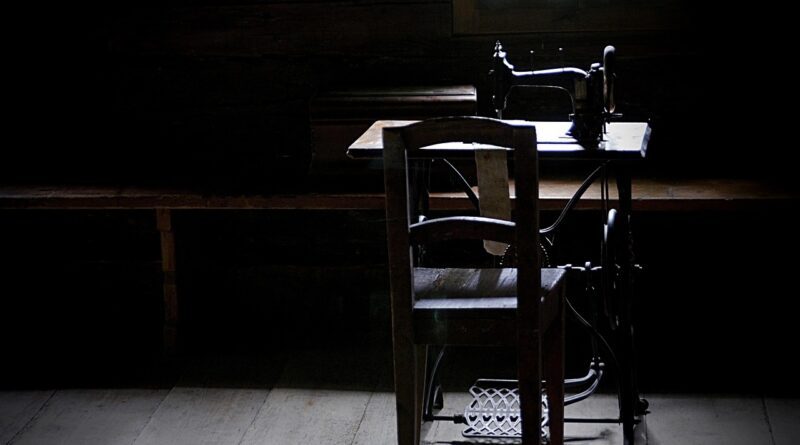
Is Dark Wood Furniture the Most Timeless Choice for Modern Homes?
Is Dark Wood Furniture Still in Style?
Dark wood furniture is not showing up again only because people like older rooms. It works because it gives a home weight, warmth, and a clear center point, especially when the space has plain walls, simple floors, or open layouts. If you are planning a living room, dining area, bedroom, or reading corner, one dark walnut table or espresso-stained cabinet can set the tone without much help from extra decor. For more ideas across the same category, visit the Furniture & Decor section and compare how furniture, lighting, rugs, and wall finishes work together.
Warm Wood Tones Are Back in Demand
Recent design research shows more interest in warmer, natural interiors. The NKBA 2024 Kitchen Trends Research Report, based on a survey base of 630, noted natural wood tones, muted whites, earth tones, and wood islands as part of the shift away from cold gray and sharp white rooms. Houzz also reported in its 2025 U.S. Kitchen Trends Study that wood tones led lower cabinet colors among homeowners choosing contrasting upper and lower cabinets, at 33%, while 46% chose wood tones for renovated kitchen flooring. Kitchen data is not the same as furniture data, but it does point to stronger demand for wood surfaces across the home. (kb.nkba.org)
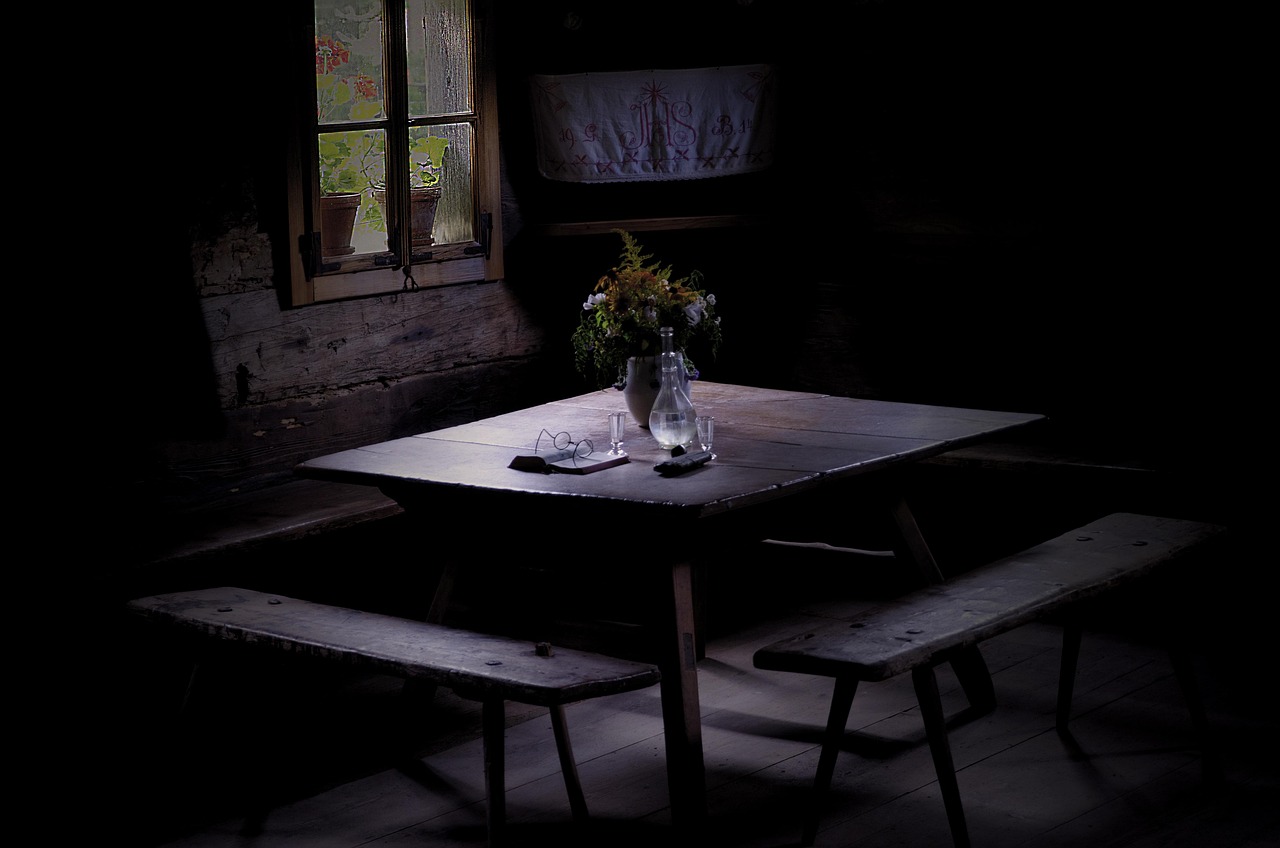
A Grounded Look That Outlasts Fast Trends
Dark wood has more visual weight than pale pieces. A chocolate oak console under a linen-shaded lamp, a smoked ash dining table, or a black-brown bedside chest can make a room feel complete without loading it with accessories. This helps if you like fewer objects on display, and it also works well in homes with newer drywall, plain trim, or open-plan rooms that need a main focus. The main point is not to fill every corner with heavy furniture. One strong anchor usually looks better than several dark pieces fighting for attention.
Data Points That Support Long Life Choices
The U.S. EPA defines durable goods as products with a lifetime of three years or more, and its durable goods category includes furniture and furnishings. In its 2018 municipal solid waste material data, wood was listed among the most common materials found in durable goods. This matters because furniture is not a small disposable purchase. The EU Green Public Procurement furniture criteria also reviewed 109 life cycle assessment reports, then screened 13 LCA studies and 35 verified environmental product declarations. Its finding was direct: 80% to 90% of furniture life cycle impacts are linked to materials and components, with durability and recyclability also important. (epa.gov)
What Makes Dark Wood Furniture Feel Modern Instead of Heavy?
Dark wood can look clean and current, or it can make a room feel dull. The result usually depends on the shape, finish, and amount of open space around the piece. You do not need a room that looks like a showroom. You need contrast, a few lighter surfaces, and a clear job for each dark piece.
Clean Lines and Lighter Visual Edges
Choose shapes with slim legs, simple pulls, inset panels, or curved corners. A dark wood credenza on raised legs feels lighter than a boxy cabinet that sits flat on the floor. In a small apartment, even a narrow shadow under the furniture changes how the space reads. It lets part of the floor show, so the room still feels open. This is why midcentury-style walnut pieces keep working in modern interiors. They add depth without looking like a wall.
Negative Space Around Large Pieces
Dark pieces need room around them. If a large dark armoire sits between a black sofa and a dark rug, the room can feel tight even when the floor area is not small. Leave some wall space around a tall cabinet, and keep the top of a sideboard controlled. Hang art with a lighter mat or frame above it so the wall does not turn into one dark block. A small gap between furniture and baseboard may sound too detailed, but in real rooms it helps. You notice the shape of the piece instead of seeing one large shadow.
Matte Finishes With Real Grain
Glossy dark furniture can turn formal fast, especially under ceiling lights. Matte and satin finishes are easier to live with because they show grain instead of glare. Look for walnut, dark oak, mahogany, smoked ash, ebonized wood, or quality veneer with a clear grain pattern. Painted black furniture can also work, but it reads more graphic than organic. If you want warmth, visible grain usually does more than a flat black surface.
Which Rooms Work Best with Dark Wood Furniture?
Dark wood furniture can work in many rooms, but each space needs a slightly different plan. In a busy family area, it may need good stain resistance and safer edges. In a bedroom, it should help the room feel calm. In a dining room, size and chair comfort matter as much as color.
Living Rooms With One Strong Anchor
In a living room, start with one dark wood anchor, such as a coffee table, media console, bookcase, or pair of side tables. Then soften it with a wool rug, linen upholstery, warm white walls, or a pale stone tray. A dark coffee table on a dark rug can disappear, so use a lighter rug or choose a table with open legs. If the sofa is charcoal, add cream pillows or a tan throw. It does not need to be complicated. You only need enough contrast so the furniture does not sink into the room.
Dining Rooms Built Around Daily Use
A dark wood dining table can take daily use and still look proper when guests come over. For smaller homes, a round pedestal table in walnut or espresso oak is often easier to place than a long rectangle. Chairs matter more than many buyers expect. If the table is visually heavy, try chairs with woven seats, upholstered backs, or slim black metal frames. The table stays as the main piece, but the room does not start to feel like a meeting room. Add one low pendant, and the setting feels planned without trying too hard.
Bedrooms With Calm Contrast
Dark wood bedroom furniture works best when the bedding feels light and easy. Pair a dark bed frame or dresser with off-white sheets, oatmeal linen, pale gray wool, or soft green walls. Avoid putting too many dark items on the same wall unless the room is large. A walnut bed, two small nightstands, and a light fabric bench is a good simple mix. It feels grown-up without feeling stiff. A small bedside lamp with a warm bulb will often help more than another decorative item.
How Can You Match Colors with Dark Wood Furniture?
Color is where dark wood starts to feel personal. Some homes need a quiet palette, while others can take clay, olive, navy, or burgundy. Check undertones before buying paint, rugs, or curtains. Dark walnut may lean purple-brown. Dark oak can look golden. Espresso stains may look close to black.
Warm Neutrals for Softer Contrast
Warm neutrals are the easiest place to start: cream, ivory, mushroom, sand, oatmeal, and warm greige. These shades keep dark wood from looking too harsh, and they also work well with natural grain. If your floors are already dark, use lighter walls and a medium rug. If your walls are deep, choose lighter upholstery. The aim is not to make everything beige. It is to give the dark wood enough light around it, so the color looks rich instead of muddy.
Greens, Blues, and Clay Tones for Depth
Dark wood sits well with colors often seen in older homes and natural settings: olive green, sage, muted teal, navy, terracotta, rust, oxblood, and clay. These tones work with brown instead of pushing against it. In a dining room, olive walls behind a walnut table can feel close and comfortable. In a living room, a navy chair beside a dark side table can look neat and measured. If you are not ready to paint, start with art, pillows, or a ceramic lamp. Wall color can come after you see how the room feels.
Metal and Stone Accents for Balance
Metal and stone stop dark wood from becoming too soft. Brass adds warmth, blackened steel makes the look cleaner, and brushed nickel cools it down. Marble, travertine, slate, or ceramic gives the room another texture, which helps when wood appears in flooring, furniture, and trim. A dark console with a stone lamp and brass bowl can look better than the same console covered with wood frames. Too much matching wood is a common mistake. It is also one of the easiest mistakes to fix. See also: Building Styles.
How Should You Mix Light and Dark Wood Tones?
Mixing wood tones is normal in real homes. Floors, furniture, cabinets, and vintage pieces rarely match exactly. A room can still feel connected if you repeat undertones and let one wood family lead. It should look collected, not random.
One Dominant Wood Family
Pick the lead tone before you add more pieces. If the dining table is dark walnut, let walnut or a similar warm brown guide the room. A lighter oak floor can stay in the background. If your built-ins are dark stained oak, use smaller accents in rattan, ash, or maple instead of adding another strong dark species. One lead tone gives the room order. The other woods add texture without competing with the main piece.
Repeated Undertones Across the Room
Look at whether the wood feels warm, cool, red, yellow, or gray. Then repeat that undertone somewhere else in the room. A reddish mahogany chest can connect with a rust pillow or aged brass lamp. A dark gray-brown oak table can connect with charcoal picture frames. You do not need exact matches. Exact matches can sometimes look too packaged, while a repeated undertone is usually enough for the eye to accept the mix.
Texture Changes That Look Intentional
Texture makes mixed wood tones easier to handle. Pair polished walnut with woven cane, wire-brushed oak, burl veneer, or a carved stool. Even a plain wooden bowl can help connect a lighter shelf with a darker table. In trade show settings, texture often solves what color matching cannot. At home, it also makes daily wear less obvious. Small scratches on dark wood are easier to accept when the room already has natural variation.
What Should You Check Before Buying Dark Wood Furniture?
Good dark wood furniture is not only about stain color. Construction, finish, moisture movement, and care all affect how long the piece keeps looking good. Before you buy, open drawers, touch edges, check the weight, and look at the underside if you can. A well-made piece usually shows its quality in the small details.
Solid Wood, Veneer, and Engineered Panels
Solid wood is valued because it can be repaired, refinished, and aged with character. Veneer can also be a good choice when it is well made, especially on large flat surfaces where solid wood may move. Engineered panels are common in modern furniture and can be stable, but cheaper versions often show weak edges or thin surfaces. Do not reject veneer just because of the label. Some of the best case goods use beautiful veneer over stable cores. The real question is quality, not the material name alone.
Joinery, Finish, and Moisture Movement
Check for tight joints, smooth drawer movement, even stain, and sealed edges. Wood moves with moisture, so the construction should allow for that movement instead of fighting it. The American Wood Council notes that normal wood has very low longitudinal shrinkage from green to oven dry, while radial and tangential directions show about 1% dimensional change for each 4% change in moisture content. That is one reason wide tops, doors, and panels need good joinery and proper finish. (awc.org)
Care Habits That Protect the Surface
Dark finishes show dust, fingerprints, and water rings more clearly than midtone oak. Use coasters, lift objects instead of dragging them, and wipe the surface with a soft cloth. Keep furniture away from strong direct sun when possible, since fading can happen unevenly. Avoid placing a dark wood sideboard right against a heat vent. For most homes, simple habits work better than complicated product routines. A barely damp cloth, quick drying, and the right pads under lamps can prevent a lot of marks.
FAQ
Q1: Is Dark Wood Furniture Good for Small Rooms? A: Yes, if you use fewer pieces and keep the shapes open. Try one dark coffee table or console with light walls, a pale rug, and raised legs.
Q2: What Wall Color Looks Best with Dark Wood Furniture? A: Warm white, cream, mushroom, sage, olive, clay, and soft blue all work well. Test samples near the furniture because undertones change in different light.
Q3: Can You Mix Dark Wood Furniture with Light Wood Floors? A: Yes. Let one wood tone lead, then repeat undertones through small accents such as frames, stools, trays, or woven pieces.
Q4: Does Dark Wood Furniture Scratch Easily? A: The wood species, finish type, and daily use matter more than the color. Dark finishes may show pale scratches sooner, so use felt pads and lift heavy objects.
Q5: Is Dark Wood Furniture Better Than Painted Black Furniture? A: It depends on the room. Dark wood feels warmer and shows grain. Painted black furniture looks cleaner and more graphic, but it can feel flatter.