
Can Furniture Decor Make Your Home Look More Expensive?
What Makes Furniture Decor Feel Expensive Instead of Overdone?
Good furniture decor does not mean putting something in every corner. It starts with control, because a home is used every day and should not feel like a display room. The wider home market also shows why these choices matter: the Harvard Joint Center for Housing Studies reported in 2025 that U.S. home improvement and repair spending rose from $404 billion in 2019 to $611 billion in 2022, with spending expected to stay above $600 billion through 2025. (jchs.harvard.edu) For homeowners, the point is plain. If real money is going into a house, the furniture and decor need to support that spend in a way people can see and use for years.
Scale Sets the First Impression
A room can look right before anyone checks the fabric or the brand name. Scale is usually the reason. A sofa that is too small can make a large living room feel unfinished, while a bed that blocks the window can make a bedroom feel tight and poorly planned. Before buying, measure wall lengths, ceiling height, door swing, and the walking path around each main piece. In most living rooms, 30 to 36 inches of clear walking space feels comfortable. Less can still work in a small apartment, but it should be planned, not discovered after delivery.
Negative Space Keeps the Room Calm
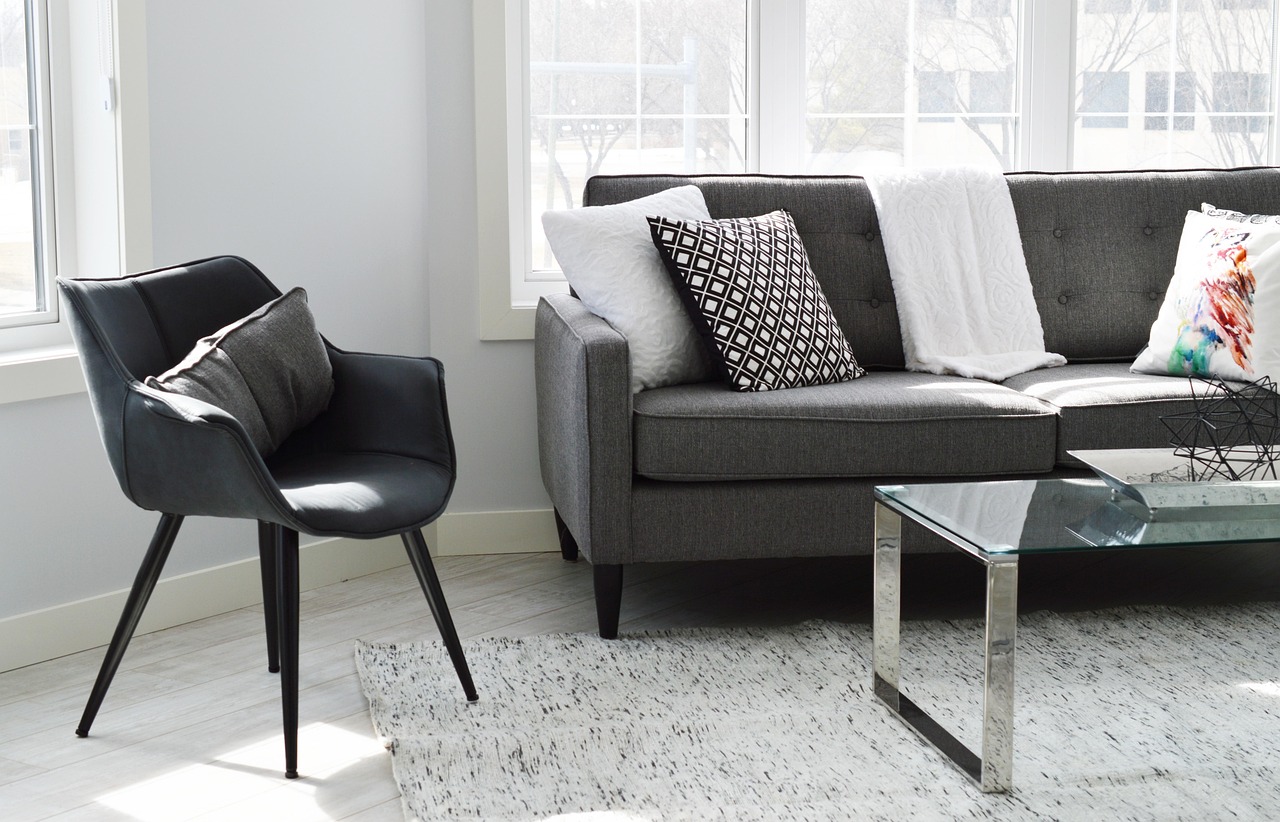
Empty space is part of the room, not a problem to fix. You do not need a console table on every wall or a basket beside every chair. One blank corner can help artwork, lighting, and upholstery stand out in a quieter way. This matters even more in open-plan homes, because too many small decor items can make the whole area feel busy. Let the eye rest for a while. The room may feel a little unfinished at first, but that pause often makes the final result cleaner.
One Focal Point Guides the Eye
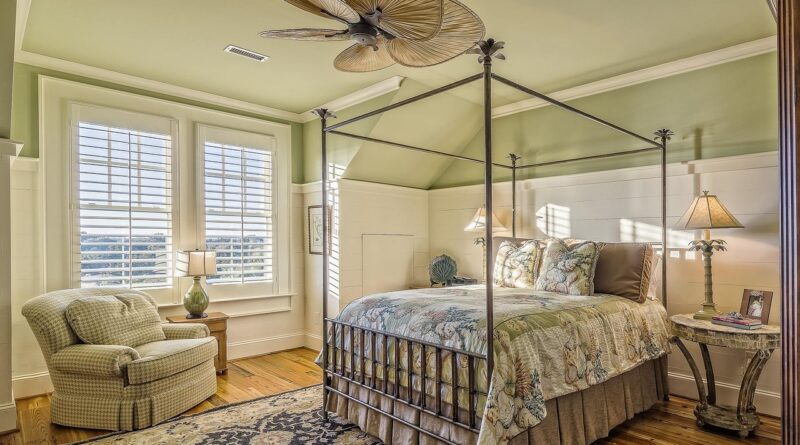
Choose what the room is mainly about. It may be a fireplace, a long dining table, a sculptural chair, or a large window. Furniture should help that feature, not compete with it. In a living room, this can mean placing seating so it works for both the view and conversation. In a bedroom, the headboard wall usually carries the main visual weight, so side tables, lamps, and art should feel balanced without being exact copies.
How Should You Start a Furniture Decor Plan?
A workable plan can save more money than a discount. The 2024 U.S. Houzz & Home Study found that median renovation spend increased 60% from 2020 to 2023, rising from $15,000 to $24,000. (houzz.com) Furniture and decor are not always listed as renovation, but they often come right after painting, flooring, or cabinetry. Planning early helps you avoid a common problem: a newly finished room with furniture that no longer fits the size, mood, or budget.
Measure the Room First
Start with a simple floor plan. It does not need special software. A tape measure, graph paper, and a few paper rectangles are often enough. Mark outlets, vents, windows, radiators, and doorways, because these details affect where furniture can sit. If you are choosing a rug, mark the size on the floor with painter tape. In a dining room, pull the chairs back from the table and check the true footprint. Chair movement is easy to forget, and it is often the reason a dining area feels cramped.
Choose the Anchor Piece
Every room needs one piece that sets the direction. In the living room, it is usually the sofa. In the dining area, it is the table, and in the bedroom, it is the bed frame or headboard. Spend more time on this piece than on small accessories. A plain oak table with the right proportions will last longer than several rounds of trendy vases. Once the anchor piece feels right, smaller pieces can bring in color, contrast, and some personality.
Build a Finish Palette
Keep the finish palette simple. Two wood tones, one metal tone, and two or three main fabric colors are enough for most rooms. If the floor is warm oak, a walnut cabinet can still work, but it helps to connect them with leather, woven shades, or picture frames. The aim is not strict matching. Each finish just needs to look like it belongs in the same room.
Which Pieces Matter Most in Living Rooms and Dining Areas?
Some rooms matter more because guests and buyers notice them first. The National Association of Realtors 2025 Profile of Home Staging found that 83% of buyers agents said staging made it easier for buyers to visualize a property as a future home. The same report noted that living rooms, primary bedrooms, and dining rooms were among the most commonly staged spaces. (nar.realtor) Even if the home is not for sale, the idea still applies. These rooms show people how the home is meant to be used.
Sofa Seating That Fits Real Conversation
A sofa should not only point at a television. It should also make conversation easy. If the room has enough space, add one or two chairs across from the sofa instead of lining seats along one side like a waiting area. Seat height matters as well. A very low lounge chair beside a tall formal sofa can feel awkward when people sit down. They may not comment on it, but they will feel it.
Tables That Leave Walkable Aisles
Coffee tables, side tables, and dining tables need usable space around them. A coffee table usually feels right when it sits about 14 to 18 inches from the sofa edge. Dining chairs need enough room to slide back without hitting a wall or cabinet. Round tables can help in tight rooms, while rectangular tables fit longer spaces better. The right table is the one that lets people move without turning sideways.
Lighting That Makes Evening Use Easier
One overhead light is rarely enough to make furniture look good. Use three layers where possible: ceiling light, task light, and low accent light. A floor lamp beside a reading chair can turn an unused corner into a practical spot. A pendant over a dining table gives the area a clearer purpose, even for a simple weekday meal. Warm bulbs, often around 2700K, usually work better in living and dining spaces than cool white bulbs.
How Can Color and Texture Make Plain Furniture Look Custom?
Not every home needs rare stone, designer chairs, or custom millwork. Many rooms work well because simple pieces are tied together with color, texture, and a steady rhythm. This is where furniture decor becomes more than buying items. You are matching surfaces in a clear way: soft next to hard, matte beside gloss, warm beside cool.
Repeated Color Gives the Room Rhythm
Choose one color and repeat it at least three times. A blue-gray tone might appear in a rug, a ceramic lamp, and a small artwork. A rust color might show up in a pillow, a leather strap on a chair, and a book cover. This repeat makes the room feel planned without making it look too matched. Try not to use every accent color only once. That can make the space feel like a sample board instead of a finished room.
Mixed Texture Prevents a Flat Look
Texture helps neutral rooms feel less plain. Pair linen with smooth wood, wool with metal, cane with painted surfaces, or leather with boucle. A white room with flat cotton, glossy cabinets, and no visible grain can feel cold. Add a woven shade or a nubby rug, and the same room feels more lived in. It is a small change, but it can carry a lot of weight in the room.
Art and Objects Add Scale Memory
Decor should include a few objects with size and a bit of story. A tiny print above a large sofa often looks out of place. Choose larger art, a pair of framed works, or a low shelf arrangement with real height changes. Books, bowls, branches, and ceramics work well when their shapes are not all the same. Do not style every surface too heavily. A console with one lamp, one tray, and one tall object can look stronger than a group of twelve small pieces. See also: Building Styles.
What Should You Buy New and What Should You Keep?
Sustainability is not only a design phrase. The U.S. Environmental Protection Agency reported in its 2018 materials data that furniture and furnishings accounted for about 9.68 million tons of landfilled municipal solid waste in the United States. (epa.gov) That number gives furniture choices a real cost beyond the invoice. Keeping a well-built piece, repairing a finish, or buying vintage can reduce waste and can also add the character that a new room often lacks.
Keep Solid Wood and Good Proportions
If a chair, cabinet, or table has solid construction and good proportions, think carefully before replacing it. Scratches can be refinished, fabric can be changed, and hardware can be swapped. Older pieces also break up the showroom look that happens when everything comes from one collection. A vintage chest beside a clean-lined bed often feels more natural than two matching nightstands bought as a set.
Buy New for Daily Wear Points
Some pieces are better bought new. Mattresses, heavily used sofas, desk chairs, and upholstered dining chairs take daily wear. If foam has collapsed or the frame creaks, replacement may make more sense than repair. Choose durable fabric, removable covers when possible, and frames with clear material details. A chair that squeaks through every meal can spoil the room faster than a poor paint color.
Repair Before You Replace
Repair is often more practical than people expect. Tighten chair bolts, replace glides, clean upholstery, oil dry wood, or re-lamp a favorite fixture. If a piece still works but feels dated, change what sits around it before removing it. A traditional cabinet can feel current against a warm white wall with modern art above it. Try that first before sending the piece away.
How Do You Keep Furniture Decor Practical for Everyday Life?
A room can look good in photos and still be annoying to use. Practical furniture decor respects daily habits: where keys land, where pets sleep, where kids drop backpacks, and where guests put a drink. A good room should not need constant fixing to look decent. If the home needs tidying every hour, the layout may be asking too much from the people living there.
Set Clearances Before Styling
Style the room after the layout works. Keep drawers able to open fully and leave space beside beds for easy movement. Do not place a floor lamp where someone has to dodge it every time they walk through. In a narrow entry, a wall shelf may work better than a deep console. These choices sound basic, but they are often what makes one home feel easy and another feel fussy.
Match Materials to Habits
Choose materials based on how the home is really used. Performance fabric helps in family rooms, and sealed wood suits dining spaces that see regular meals. Glass tables can look light, but fingerprints come with them. Black finishes show dust, and white boucle looks good until a muddy dog takes over the chair. None of these materials are wrong. They just need to be placed honestly.
Edit Seasonally Without Starting Over
You do not need a full refresh every season. Change pillow covers, rotate a throw, move a lamp, or swap one piece of art. Keep the main pieces steady and let small layers change. This keeps the room fresh without adding waste. It also helps you understand what the space really needs, instead of buying something only because one corner feels empty for a few days.
FAQ
Q1: What Is the Best Way to Start Furniture Decor? A: Start with measurements, traffic paths, and one anchor piece. After that, choose colors, lighting, and smaller decor that support the main piece instead of competing with it.
Q2: How Much Should You Spend on Furniture Decor? A: There is no reliable public rule that fits every home. Spend more on high-use items like sofas, beds, dining chairs, and lighting. Save on accents that can change easily.
Q3: Should Furniture Match in Every Room? A: No. Rooms should relate, but they do not need identical furniture. Repeat a few finishes, colors, or shapes so the home feels connected without looking like a catalog set.
Q4: What Makes a Room Look More Expensive? A: Correct scale, clear walking space, layered lighting, fewer small objects, and quality textures usually make the biggest difference. Price matters less than proportion and placement.
Q5: Is Vintage Furniture Good for Modern Decor? A: Yes, when the piece has strong proportions and useful function. Vintage furniture can add warmth, reduce waste, and make modern rooms feel less flat or newly bought.