
Why Is the Art Deco Empire State Building Still the Ultimate Skyscraper Icon?
Why Does the Art Deco Empire State Building Still Define New York?
If you look up the Building Styles that shaped modern cities, the phrase art deco empire state building still comes up for a clear reason. The tower is not famous only because it is tall. It is easy to read, easy to remember, and still works as a commercial building while also serving as a public symbol.
- Official Empire State Building facts list the tower at 102 stories and 1,454 feet to its pinnacle, accessed July 2026.
- The Council on Tall Buildings and Urban Habitat lists its architectural height at 381 meters, or 1,250 feet, accessed July 2026.
- The National Park Service records the building as a National Historic Landmark, designated in 1986.
A Simple Silhouette You Can Read Fast
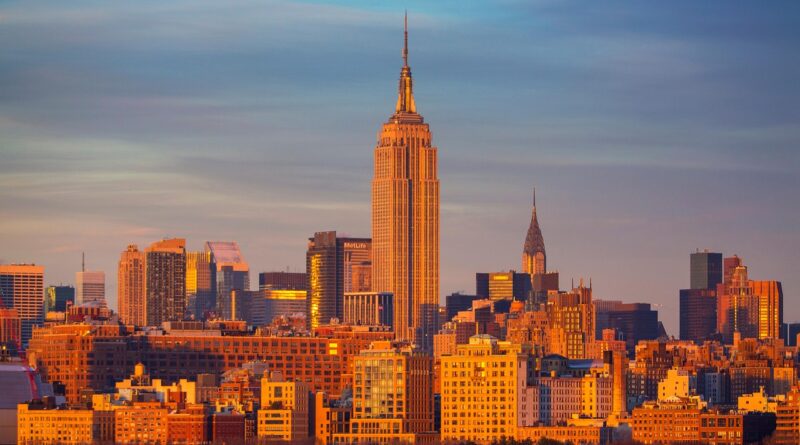
You can pick out the tower from a cab window, a train platform, or a postcard stand in a hotel lobby. That matters in a busy city, because a strong urban icon has to work before people start reading the details. The Empire State Building uses a wide base, stepped shoulders, and a narrow crown, so the outline does most of the work. Many newer towers need a label or a location note, but this one is understood at once.
A 1931 Record That Still Feels Large
When the building opened in 1931, it pushed the skyscraper race into a different scale. CTBUH data places its architectural height at 381 meters, and that height carried global weight for about four decades. The numbers have been passed, of course, because newer towers are much taller now. Even so, the old record still affects how people see it, since the height was tied to confidence, market risk, and a public idea of progress.
A Civic Symbol beyond Office Space
The National Park Service nomination treats the building as a national landmark, not only as a tall office block. That point is useful for anyone reading architecture from a business angle. A working property can become part of public memory when form, location, timing, and public access line up. Tourists still stop on the sidewalk to take photos, and even New Yorkers who act used to it would notice quickly if the skyline lost it.
What Makes Its Art Deco Design So Recognizable?
Art Deco can be showy, but the Empire State Building is more controlled than many people expect. It does not depend on a crowded facade. Its strength comes from proportion, vertical rhythm, polished metal, stone, and careful ornament. The building feels dressed, but it does not feel overloaded.
Stepped Massing from the 1916 Zoning Law
The Skyscraper Museum explains that New York’s 1916 Zoning Resolution pushed tall buildings to step back so light and air could reach the streets below. The Empire State Building turned that rule into a clear part of the design. Its setbacks are not loose ledges added for effect. They help the tower narrow as it rises, and that gives the whole mass a clean upward pull. For any project under tight planning rules, it is a good reminder that a limit can become part of the main form.
Vertical Lines That Pull Your Eye Up
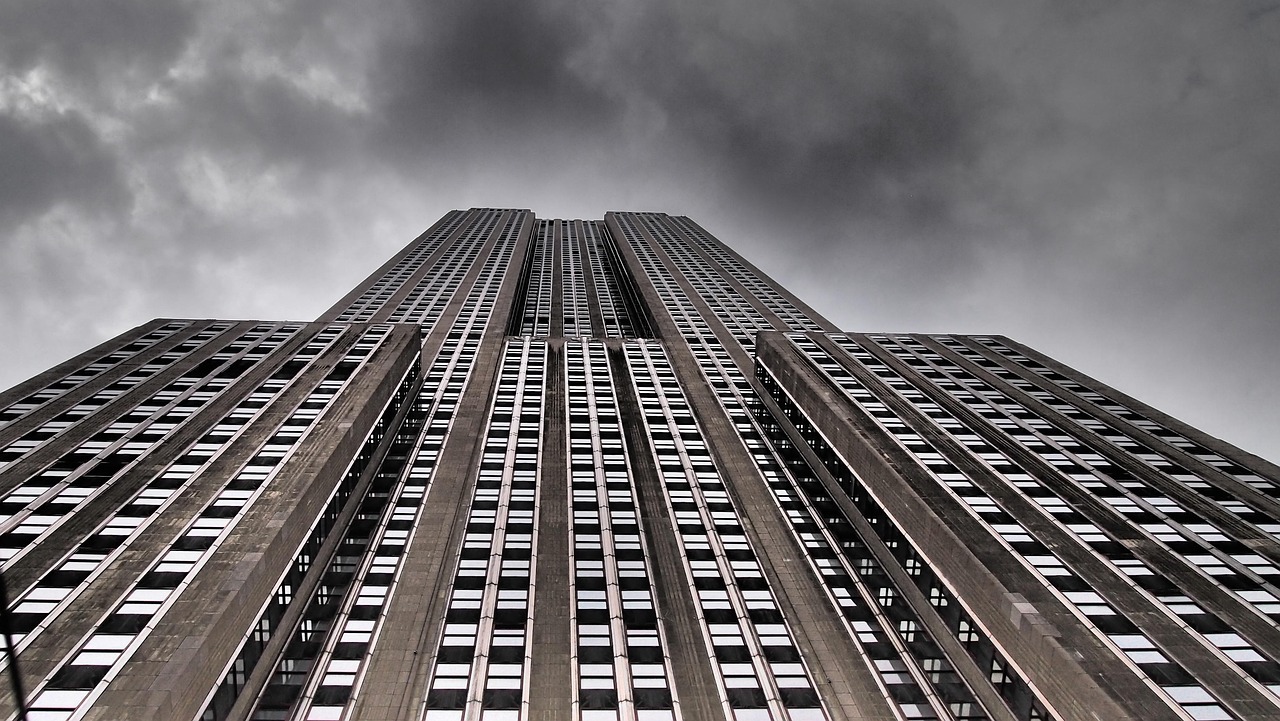
The facade uses long vertical bands, close window spacing, and strong piers to make the building feel taller than the measured height alone. That is basic skyscraper craft, but it is handled well here. The design does not ask you to study every floor one by one. It groups the floors into one upward movement, which is why the trick is easy to miss even when it is doing a lot of work.
Metal, Stone, and Geometric Detail
The official facts page notes 200,000 cubic feet of Indiana limestone and granite, 10 million bricks, and 730 tons of aluminum and stainless steel on the exterior, accessed July 2026. Those numbers help explain why the building still looks solid from the street. Art Deco details, including geometric metalwork and sharp entrance lines, add the machine-age character. The building looks modern for 1931, but it does not look thin, light, or temporary.
How Did Speed Shape the Building’s Legend?
The construction story is part of the design story. Fast projects can look cheap when speed takes over the decision-making. In this case, speed became part of the legend because the design repeated well, the steel frame was staged with care, and the project team treated site logistics as a serious part of the work.
A 102 Story Project in One Year and 45 Days
History.com reports that the 102-story building was completed in one year and 45 days, which is still quoted because it sounds hard to believe. For context, many mid-rise projects today can take longer just to get through design review, financing, procurement, and inspections. The Empire State Building was not a simple job. Its work sequence was clear, and that clarity saved time on site.
Repetition Made the Schedule Possible
The tower’s regular office floors allowed crews to repeat the same tasks at a fast pace. Steel, masonry, windows, elevators, and interior systems could move in a tight order without constant redesign. That does not make the architecture boring. It shows that repetition can support good design when the larger form is strong. The business lesson is plain enough: a clean diagram gives builders fewer chances to lose days.
Materials That Made Scale Feel Permanent
The material count from the official facts page is not just trivia for visitors. Limestone, granite, brick, aluminum, and stainless steel gave the building weight at street level and a clean finish near the entries. There is a real difference between a tower that is only tall and one that is built to hold attention over time. The Empire State Building does both, and that is not common.
Why Does the Lobby Matter as Much as the Tower?
Many skyscrapers win the skyline but fail at the sidewalk. The Empire State Building avoids that problem. Its lobby gives the tower a proper arrival point, and that matters because most people meet a building through the door, not from an aerial view.
A Protected Interior Landmark
The New York City Landmarks Preservation Commission designation record dated May 19, 1981 protects the ground-floor interior as part of the landmark value. That is a clear public position. It says the lobby is not just decoration placed under a famous tower. It is part of how the architecture should be understood.
Gold, Aluminum, and Celestial Motifs
The official architecture and design information describes the restored ceiling with 23-karat gold stars, sunbursts, and gears in a classic Art Deco composition, accessed July 2026. The imagery is dramatic, but it fits the period’s interest in speed, industry, and the sky. If the tower is the city’s upward move, the lobby is the close view of the same message. Visitors feel that connection before they even reach the elevators.
A Ground Level Lesson for Designers
For architects and owners, the lobby gives a simple reminder: people remember arrival. A tight entry with poor lighting can weaken even a strong address. Here, metalwork, ceiling art, polished surfaces, and controlled symmetry make the first few minutes feel important. A project does not need a 102-story budget to use that idea, because even a small building can make arrival work harder. See also: Building Layout.
How Does the Building Compare With Modern Towers?
Modern supertalls often beat the Empire State Building on height, floor area, glass performance, and mechanical systems. Still, a useful comparison is not only about figures. A tower can be taller and still be less loved. The Empire State Building shows that urban value can come from identity, not just size.
Height That Still Holds Context
At 381 meters to architectural top, according to CTBUH data accessed July 2026, the building is still a major vertical marker in a skyline full of newer peaks. Its central Midtown position helps it keep that role. The crown also matters because it gives the building a clear finish instead of a flat stop. Height works better when the top is worth looking at.
A Better Skyline Marker Than Many Taller Towers
Some glass towers disappear in dull weather or blend into the buildings around them. The Empire State Building keeps its outline in daylight, at sunset, and under night lighting. This is not only nostalgia. It is a matter of visual performance. Strong massing, repeated windows, and a tiered crown create a clear figure-ground effect, so your eye separates it from the cluster around it.
Retrofit Value over Replacement
The official sustainability information reports a major energy retrofit tied to the $550 million Empire State ReBuilding program, with a guaranteed 38 percent energy reduction that has been validated and exceeded since the 2010 implementation, accessed July 2026. That data matters because it gives heritage a business case. Keeping an older icon can be more than a sentimental choice when upgrades cut operating demand and protect embodied value. For owners, that is the kind of result that can support long-term asset planning.
What Can Architects and Owners Learn From It?
The Empire State Building is famous, but its lessons are fairly practical. They apply when you look at a new mixed-use tower, a hotel, a civic building, or a smaller commercial block. Good design often starts with clear choices, not costly tricks.
Make Rules Become Form
The setbacks came from zoning pressure, yet they became the building’s signature. That is a better answer than treating rules as project damage. When a site has height limits, view corridors, shadow rules, or facade controls, the smarter move is to bring them into the main idea early. The final form then feels planned instead of patched together.
Use Ornament With a Job to Do
Art Deco ornament works here because it supports the building’s story. Metal, geometry, sunbursts, and machine-age motifs link the tower to speed and modern life. Ornament does not have to be loud to be useful. If it marks the entry, sets scale, shows craft, or builds identity, it earns its place.
Plan for Long Life, Not Quick Fashion
The building has handled changing tenants, tourism patterns, energy standards, security needs, and skyline competition. That did not happen by chance. Flexible office floors, a strong public image, protected heritage value, and steady reinvestment all helped. A fashionable facade may help sell a project this year, but a durable idea can keep it relevant for a century. That is the harder target, and usually the better one.
FAQ
Q1: Is the Empire State Building Really Art Deco? A: Yes. It is widely identified as an Art Deco skyscraper by sources including the official Empire State Building materials, CTBUH records, and New York landmark documentation.
Q2: Who Designed the Empire State Building? A: The building was designed by Shreve, Lamb & Harmon, with William F. Lamb commonly credited as the key design partner.
Q3: How Tall Is the Empire State Building? A: CTBUH lists the architectural height at 381 meters, or 1,250 feet. The official facts page lists 1,454 feet to the pinnacle.
Q4: Why Are the Setbacks Important? A: The setbacks responded to New York’s 1916 zoning rules, but they also created the stepped profile that makes the tower so easy to recognize.
Q5: Why Does the Building Still Matter Today? A: It still matters because it combines skyline identity, protected landmark status, durable materials, a famous lobby, and proven reuse through major energy upgrades.