
What Makes a Luxury Home Interior Feel Truly Timeless?
A good luxury home interior is not about packing a room with costly pieces. It is more about easy movement, useful light, real materials, and rooms that feel right during breakfast, work calls, family time, and late guests after dinner.
High-end design also has to make sense on site and on budget. According to the 2026 U.S. Houzz & Home Renovation Trends Study, median renovation spend held at $20,000 in 2025, while the highest 10% of projects reached $150,000 or more. Homeowners are still paying for better living spaces, but the spend needs a clear order. Luxury needs priorities, not random upgrades. (houzz.com)
Architecture Sets the Mood
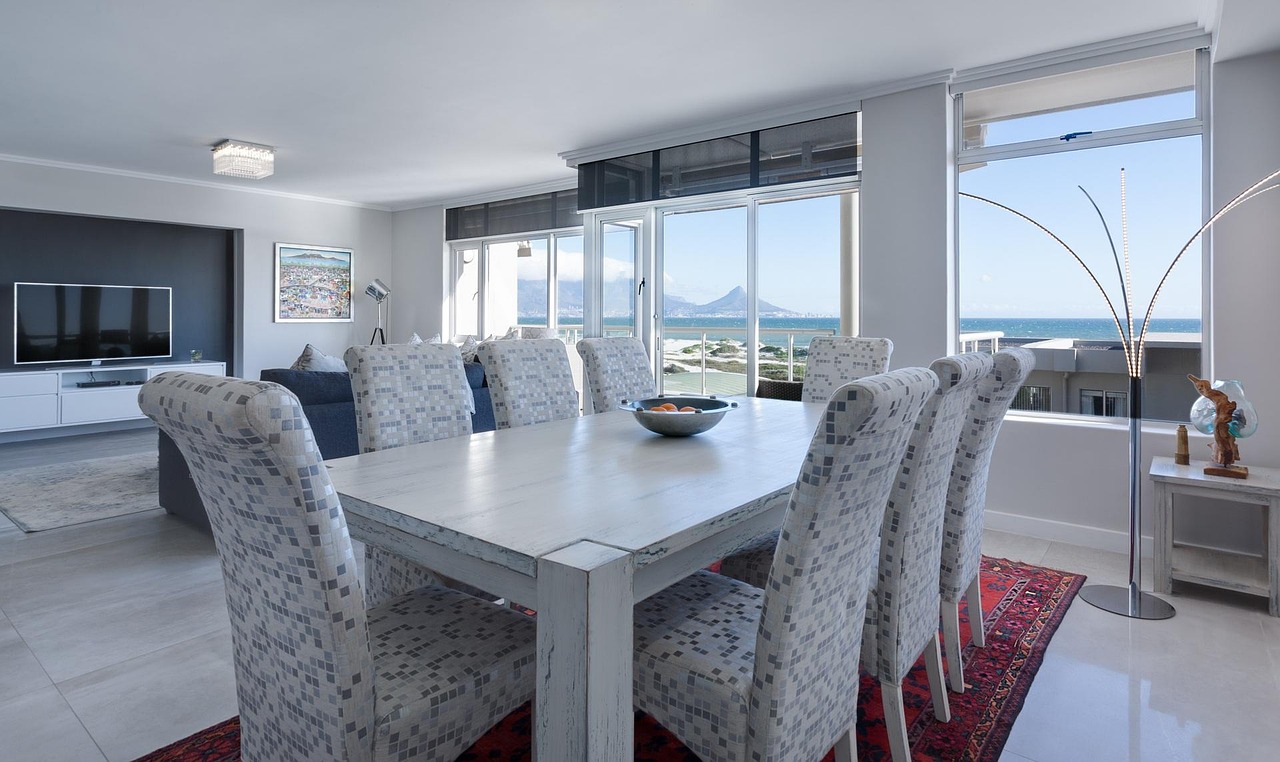
Walls, ceiling heights, windows, and room proportions decide the feeling before the first sofa is delivered. A home with plain white walls can still feel rich if the openings line up, the baseboards have enough weight, and the ceiling plane is clean.
Start with the bones of the house before choosing loose items. Furniture should support the architecture, not fight against it or cover up poor planning.
Quiet Detail Beats Loud Display
Luxury often shows up in small work that people notice only after living in the space. Shadow gaps at built-ins, neat transitions between stone and wood, drawers that close softly, and switches placed where the hand reaches naturally all matter.
Large chandeliers and shiny surfaces may look strong in photos. In real daily use, quiet detail usually feels better after a few years, because it does not ask for attention every time someone enters the room.
Longevity Guides Each Choice
A timeless room can still have personality, and it should not feel cold or empty. The safer way is to keep permanent choices calm, then bring stronger style through art, rugs, lamps, and objects.
A walnut wall panel, limestone floor, or plaster fireplace should not feel like a trend bought in a hurry. It should feel as if it belongs to the house and can stay there without needing an apology later.
How Should You Plan Space Before Choosing Finishes?
Space planning should come before marble, paint, or furniture shopping. It may sound less exciting, but it saves money and avoids daily irritation. A beautiful room with poor circulation feels awkward every day. A smaller room with clear movement can feel much more generous than its floor area suggests.
A Clear Route Through Daily Life
Walk through the home in your head before finalizing the plan. Where do keys land, how does a guest move from entry to living room, and can two people pass in the kitchen without bumping into each other?
The U.S. Census Bureau reported that the median size of a new single-family home sold in 2025 was 2,194 square feet, based on 2025 Characteristics of New Housing data published on July 1, 2026. The design point is simple: every foot matters, even in premium homes. (census.gov)
Rooms Sized for Real Furniture
Do not plan a living room around a sofa that only exists in a mood board. Measure the actual piece you want, then leave space for side tables, lamps, and normal walking paths.
In many homes, 36 inches works well for a main route, while 18 inches can work between a sofa and coffee table. These numbers are not fixed rules, but they are useful checks before drawings become orders.
Storage That Disappears into the Architecture
Luxury homes rarely feel messy because storage is worked into the plan early. Full-height cabinets, paneled doors, bench drawers, and hidden utility zones keep daily items out of sight without making the room feel packed with cupboards.
A mudroom cabinet for shoes, sports gear, pet supplies, and cleaning tools may not sound glamorous. On a wet Tuesday, it can make the main rooms feel far calmer and easier to live in.
Which Materials Create Lasting Luxury?
Materials carry the hand-feel of a home. You notice them when you lean on a counter, walk barefoot on a floor, or open a cabinet before breakfast. Good materials age in a steady way. Weak materials pull attention for the wrong reasons.
Natural Stone with a Practical Finish
Marble, quartzite, limestone, and travertine can all look elegant, but they do not behave the same. Honed stone often hides small marks better than a high-polish finish in busy rooms.
Quartzite may suit kitchens better than soft marble if the client cooks every day. Ask for large samples and test coffee, lemon, oil, and red wine on them; it is not romantic, but it prevents expensive surprises.
Wood Flooring with Proven Value
Wood floors add warmth, soften sound, and help rooms connect visually. The 2022 Remodeling Impact Report from the National Association of Realtors and the National Association of the Remodeling Industry found that refinishing hardwood floors had an estimated 147% cost recovery, while new wood flooring had 118%.
The report is often read from a resale angle, but the design lesson is wider. Durable wood is both emotional and financially sensible when it is specified, installed, and finished properly. (nar.realtor)
Textiles That Soften Hard Surfaces
Stone, glass, plaster, and metal need fabric if a room is going to feel livable. Wool rugs, linen curtains, mohair pillows, leather, boucle, and textured cotton all help absorb sound and soften hard lines.
A dining room with hard flooring, bare windows, and stone walls can echo in a way that makes dinner feel uncomfortable. One generous rug and lined drapery can change the room faster than another decorative object.
- Use performance fabric where pets, children, or sunny windows create real wear.
- Keep large upholstery in warm neutrals if you like to change art and accessories often.
- Choose custom window treatments for rooms where privacy, glare, and height matter.
How Can Lighting Make a Home Feel More Expensive?
Lighting is where many interiors either work well or fall flat. Fine furniture will not save a room if the light is cold, harsh, or only placed in the ceiling. A luxury home interior needs layers that can change from morning to night.
Layered Light for Morning and Night
Plan ambient, task, and accent light from the beginning. Ambient light gives the room a base glow, task light helps with reading, cooking, shaving, or makeup, and accent light brings depth to art, shelves, stone, or textured plaster.
At night, table lamps and wall lights often feel more comfortable than a grid of recessed cans. This is especially true in living rooms and bedrooms, where people want the space to settle down after the working day.
Architectural Fixtures That Stay Quiet
The most expensive-looking lighting is not always the lighting people notice first. Linear lights under shelves, small-aperture downlights, soft cove lighting, and picture lights can make a room feel planned without making the fixtures the main subject. See also: Building Styles.
Decorative fixtures still have a place, but they should be used with care. One strong pendant over a dining table can do more than six shiny fixtures spread through one open room.
Warm Controls for Human Comfort
Dimmers are not optional in a high-end home. Warm-dim bulbs, scene controls, and separate switches for each layer allow the same room to handle work, dinner, and a quiet late evening.
Use warmer light in bedrooms and living rooms. Keep stronger task lighting in kitchens, closets, and baths, but soften it at night so the home does not start to feel like a showroom.
What Role Do Kitchens and Baths Play in Luxury Interiors?
Kitchens and bathrooms take a large share of daily use, project cost, and resale interest. They also show very quickly whether the home was planned with care. Doors, drawers, drains, mirrors, outlets, and ventilation all need to be in the right place.
The Kitchen as a Daily Performance Space
A luxury kitchen should cook well before it tries to impress guests. Prep space should sit near the sink, trash and compost should stay close to the chopping area, and ovens and refrigerators need practical landing zones.
If the client entertains often, a separate beverage station can keep guests out of the main cooking route. That one choice prevents a lot of polite but awkward movement in the kitchen.
Bathrooms with Spa-Level Calm
Calm bathrooms come from proportion, storage, heat, and light. Large-format stone or porcelain reduces grout lines, while a recessed niche keeps bottles from spreading across the shower floor or ledge.
Heated floors feel very good in cold regions, especially on dark winter mornings. Pair side lighting at the mirror with a soft overhead layer, so the room works for both grooming and cleaning.
Budgets Built Around Use, Not Show
Houzz 2025 reporting showed overall median renovation spending eased from $24,000 in 2023 to $20,000 in 2024, while kitchens and primary bathrooms remained key spending areas. That does not mean every luxury feature deserves a place in the scope.
Put the budget into layout, cabinets, counters, waterproofing, ventilation, and lighting first. Fancy handles can wait, and they are much easier to change later. (houzz.com)
How Do Wellness, Air, and Smart Systems Fit the Design?
The modern luxury home is not only something people look at. It is felt through temperature, sound, air, privacy, and ease of use. These details should sit in the background, because that is how good systems earn their place. The best systems make life smoother without turning the home into a wall of control panels.
Cleaner Indoor Air as a Luxury Detail
The U.S. Environmental Protection Agency states that Americans spend about 90% of their time indoors and that concentrations of some pollutants are often 2 to 5 times higher indoors than typical outdoor levels. For interior work, that number should not be ignored.
Choose low-odor finishes, plan ventilation, use good filtration, and avoid trapping moisture behind pretty surfaces. Good air is not as visible as stone or millwork, but clients feel the difference every day. (19january2021snapshot.epa.gov)
Technology Hidden in Plain Sight
Smart systems should be useful and quiet. Motorized shades, scene lighting, quiet HVAC controls, leak sensors, and whole-home audio can add comfort when the controls are simple.
Hide speakers in ceilings where appropriate and place control panels near natural decision points, not on every wall. If guests need a lesson to turn on a lamp, the system is too complicated.
Comfort That Supports Aging in Place
A refined home can also be easy to live in as people get older. Wider passages, curbless showers, layered lighting, drawer storage, lever handles, and non-slip flooring help the home serve its owners for longer.
These choices do not have to look medical or separate from the design. When they are handled well, they look clean, generous, and calm, which is real luxury in daily life.
FAQ
Q1: What Is the Most Important Element in a Luxury Home Interior? A: Space planning is usually the right starting point. Strong materials and furniture cannot fix poor circulation, awkward storage, or bad lighting.
Q2: How Can a Smaller Home Still Feel Luxurious? A: Use clear walking paths, built-in storage, fewer but better materials, layered lighting, and properly scaled furniture. A smaller room feels high-end when nothing feels forced.
Q3: Are Luxury Interiors Always Expensive? A: Not always. Some items cost more, such as custom millwork or natural stone, but restraint can save money. Spend on permanent details and keep trend-driven pieces easier to change.
Q4: Which Rooms Deserve the Biggest Interior Budget? A: Kitchens, bathrooms, entries, and main living areas often deserve the most attention because they handle daily use and shape first impressions.
Q5: How Do You Keep a Luxury Home Interior from Looking Dated? A: Keep fixed finishes timeless, use quality natural materials, avoid overmatching, and bring bolder style through art, rugs, lamps, and decor that can move or change later.