
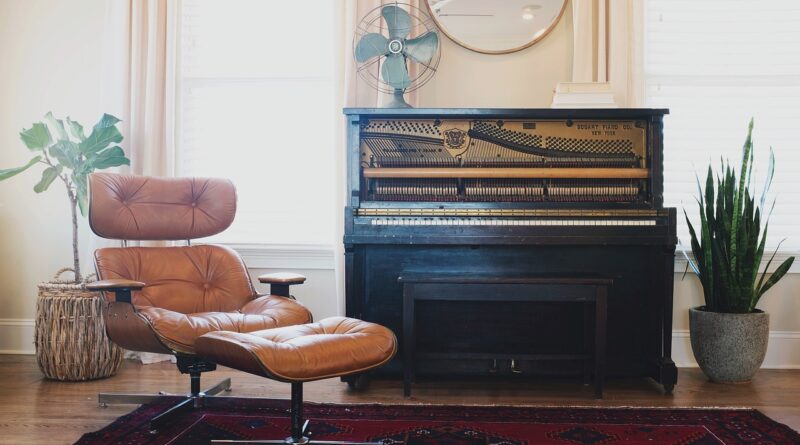
Which Home Styles Interior Choices Make a Home Feel Timeless?
Why Do Home Styles Interior Choices Matter More Than Trends?
Home styles interior decisions affect how each room looks, feels, and works day after day. In the Home & Interior field, style is not only a name such as modern, coastal, or traditional. It ties together colors, materials, furniture size, storage, lighting, and the way the home feels on a normal Monday morning. A sound style choice should make the house easier to use, not harder to clean or maintain.
Daily Comfort before Decoration
Start with what the room really has to do. A living room used by children, visitors, and a dog needs different fabric and layout choices from a formal sitting room that is used only a few times a month. If the kitchen is where mail, lunch bags, and chargers end up, a very bare minimalist look may not fit the way the family lives.
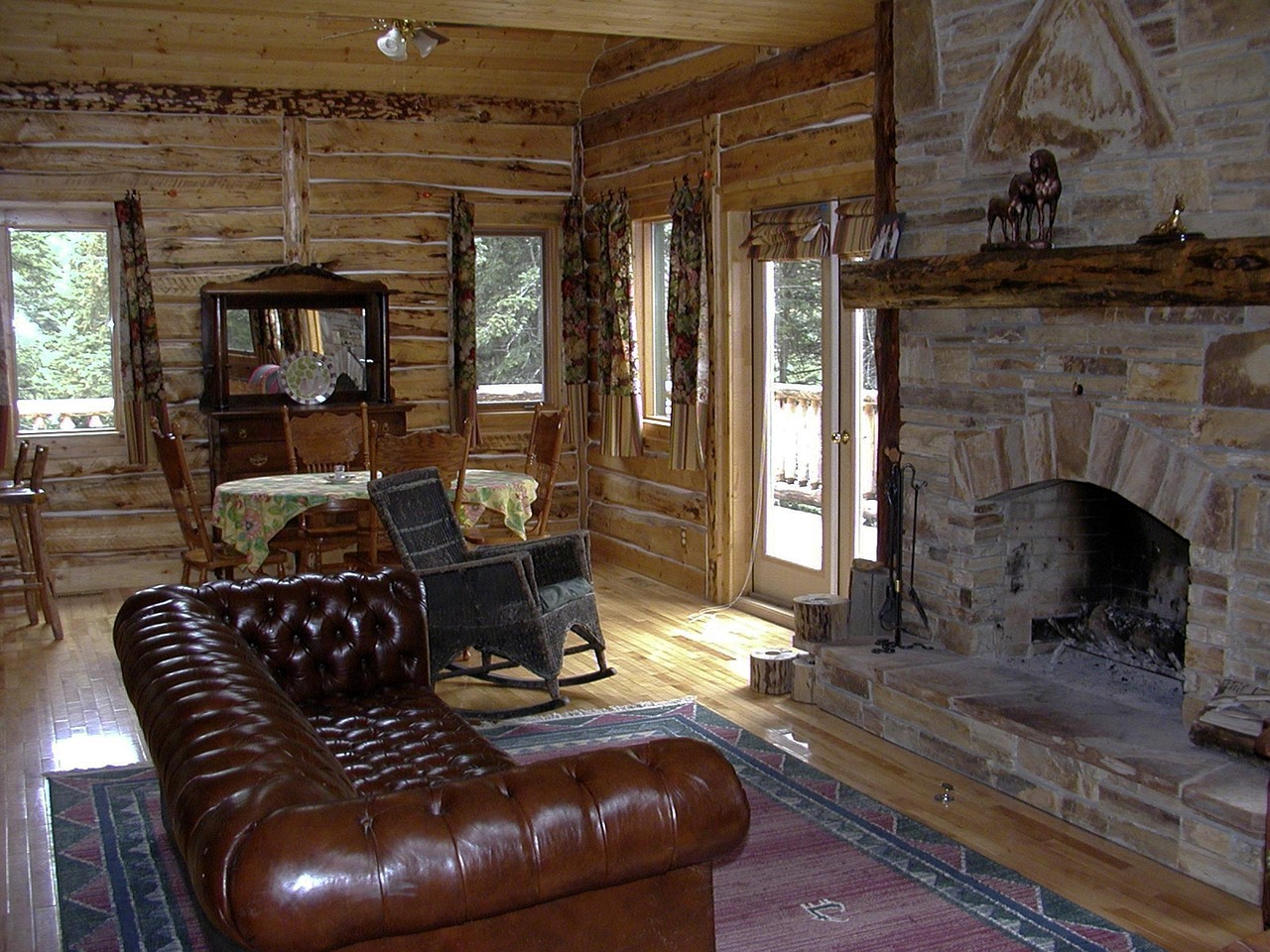
Style works better when it gives those habits a neater frame. That may mean closed cabinets instead of open shelves, washable paint in a hallway, or a dining bench that can take wet coats after soccer practice.
Data-Backed Health Context
Interior choices can also affect health and comfort. The U.S. Environmental Protection Agency stated in its July 2025 indoor air quality factsheet, updated in June 2026, that people spend about 90 percent of their time indoors. The same EPA factsheet lists building materials, furnishings, moisture, ventilation, and household behavior as things that may affect indoor air.
The point is simple for anyone planning a home styles interior project. Include surfaces that are easy to clean, steady airflow, low-odor finishes where possible, and enough daylight. A good-looking room is welcome, but a room that helps people breathe more easily and settle down after work has more value in daily use.
Style as a Long-Term Framework
Style can help protect the budget too. The Harvard Joint Center for Housing Studies reported in Improving America’s Housing 2025 that U.S. home improvement and repair spending rose from $404 billion in 2019 to $611 billion in 2022, and was expected to stay above $600 billion through 2025. The same research noted a median U.S. housing stock age of 44 years in 2023 and a national stock of about 145 million homes.
Older homes will need updates, but the better updates are not random purchases made one at a time. A steady interior style helps each repair, paint job, and furniture order move in the same direction, so the home does not feel patched together later.
Which Interior Style Fits Your Architecture Best?
A room should not try to hide what the house is. Mixing styles is fine, but the building usually gives useful hints. Ceiling height, window shape, trim profile, floor material, and stair details all suggest a natural design language. When the interior style respects those features, the finished room often feels calmer and more costly than it actually was.
Modern and Contemporary Homes
Modern and contemporary interiors usually work well with clean lines, limited visual clutter, and clear material contrast. Flat-panel cabinets, slim metal frames, simple sofas, large-format tile, and fewer small accessories all fit this direction.
This does not mean the room has to feel cold. A modern room often needs one warm layer, such as oak, walnut, wool, linen, or clay-toned paint. Without that layer, the space can look like a showroom, and most people do not want to drink morning coffee in a showroom.
Traditional and Transitional Homes
Traditional homes often have paneled doors, crown molding, divided-light windows, or rooms that connect in a clear order. Transitional style fits many of these houses because it keeps warmth while reducing formality. Houzz’s 2026 U.S. Kitchen Trends Study surveyed 1,780 U.S. homeowners with recent or planned kitchen renovation projects.
Among homeowners changing kitchen style, transitional led at 25 percent, followed by traditional at 12 percent, modern at 11 percent, contemporary at 10 percent, and midcentury at 6 percent. That does not mean transitional is the only right answer. It does show why many owners choose it: it connects older architecture with newer daily habits.
Farmhouse, Coastal, and Rustic Homes
Farmhouse, coastal, and rustic interiors usually feel better when they come from the location and the way the home is used, not from props. A farmhouse kitchen can use painted wood, stone, apron-front sinks, and simple hardware, but too many signs and distressed finishes can make it feel staged.
Coastal style is not a bowl of shells on every table. It is light, air, easy fabrics, pale wood, and materials that suit salt, sand, and regular cleaning. Rustic rooms need texture, but they still need editing. One rough beam can look honest, while ten fake weathered pieces can feel like a theme restaurant.
How Can Color and Materials Set the Right Mood?
Color and materials carry much of the feeling in an interior. A lamp can be changed in five minutes, but flooring, cabinets, tile, counters, and wall color stay in place for years. Before choosing a popular shade, check the natural light, room size, ceiling height, and surfaces already in the house. Public research does not track every living room color trend in detail, so broader design data is better used as a guide, not a rule.
Warm Neutrals with Depth
Warm neutrals still work because they leave space for furniture and art. Cream, mushroom, taupe, warm white, sand, soft gray-green, and muted clay can make a quiet base without making the room look flat.
The key is depth. Use at least three related tones: one wall color, one deeper textile or wood tone, and one lighter accent. In a north-facing room, cold gray can look dull by late afternoon. A warmer neutral often feels easier to live with, especially in winter.
Natural Texture Instead of Clutter
Texture is a safer way to add character than adding more objects. Linen curtains, oak floors, honed stone, wool rugs, rattan chairs, plaster-look walls, and handmade tile can make a simple room feel finished without filling every surface.
The American Institute of Architects Q1 2025 Home Design Trends Survey reported growing interest in daylighting, with relevant solutions up 8 points, and radiant heated floors up 5 points in popularity for kitchens and baths. AIA also reported an 18-point rise in upscale shower designs. This does not mean every home needs luxury tile. It does show that homeowners are asking surfaces and light to do more of the mood-setting work.
Durable Finishes for Real Life
Durability should sit next to appearance, especially in busy homes. The 2025 Remodeling Impact Report from the National Association of REALTORS® and the National Association of the Remodeling Industry found that consumers remodeled mainly to upgrade worn-out surfaces, finishes, and materials at 27 percent, followed by improving energy efficiency at 19 percent.
That is a useful reminder when choosing finishes. A finish that chips, stains, or looks dated too soon is not really saving money. In hard-working rooms, choose scrubbable paint, sealed stone, performance fabric, strong cabinet hardware, and flooring that fits the local climate.
What Layout Choices Make a Style Easier to Live With?
Layout is where interior style either helps the household or gets in the way. A good-looking sofa in the wrong size can block movement. A kitchen color may be perfect, but it matters less if the trash pullout is far from the prep area. Style should guide flow, storage, and lighting, not sit on top of the room like decoration added at the end. See also: Building Styles.
Clear Zones in Open Plans
Open plans need boundaries, just not heavy ones. Rugs, lighting, ceiling beams, furniture backs, or a change in cabinet color can mark zones without closing the room off. A living area can face the fireplace while a reading chair sits near the window.
A kitchen island can separate cooking from conversation. If everything is open and every finish is loud, the room has no resting point. Clear zones make open layouts feel planned instead of noisy.
Storage That Supports the Look
Houzz’s 2026 U.S. Kitchen Trends Study reported that kitchen deterioration or dysfunction rose to 38 percent as a renovation trigger, close to dissatisfaction with old style at 41 percent. It also found that 76 percent of renovating homeowners added built-in features, with pantry cabinets leading at 47 percent and beverage stations at 24 percent.
These figures point to a practical fact: storage is part of style. A traditional kitchen may hide appliances behind paneled doors, while a modern kitchen may use deep drawers and tall flat-front storage. In both cases, clutter still needs a place to go.
Lighting Layers That Change the Room
Lighting can improve a plain room or spoil an expensive one. Use three layers where possible: ambient light for the whole room, task light for work, and accent light for mood.
In a bedroom, this could mean a soft ceiling fixture, reading sconces, and a small lamp on a dresser. In a kitchen, it might be recessed lighting, under-cabinet strips, and pendants over the island. Dimmers are not flashy, but they may be one of the lower-cost ways to make dinner look better.
How Do You Mix Styles Without Making Rooms Feel Random?
Most lived-in homes are mixed. You may have a modern sectional, an inherited wood table, a vintage rug, and a new brass floor lamp in the same house. That is normal. The aim is not to remove personality. The aim is to help different pieces work together through color, scale, line, and repetition.
A Dominant Style with Two Accents
Choose one dominant style for about 70 percent of the room, then add two accents. For example, a transitional living room might use a classic sofa, tailored curtains, and a neutral rug as the base, then add a rustic coffee table and contemporary art.
This ratio keeps the room flexible and makes shopping easier. If a piece does not match the main style or either accent, it probably fits better in another room.
Repeated Shapes and Finishes
Repetition helps a mixed room feel planned. If the dining light has a round shade, repeat curves in chair backs, a mirror, or a side table. If black window frames are part of the house, bring black back in a picture frame, cabinet pull, or lamp base.
The NAR and NARI 2025 Remodeling Impact Report found that REALTORS® most often recommended painting the entire home before selling at 50 percent, painting one room at 41 percent, and new roofing at 37 percent. Paint is not only cosmetic. It can connect rooms quickly and make different pieces feel more related.
One Room-by-Room Checklist
Before buying anything major, walk through the house with a short checklist. It may sound a little boring, but it can prevent expensive mistakes. Use this list before a sofa order, cabinet quote, or full repaint:
- Choose one main style for the whole home, then allow room-level accents.
- Limit fixed finishes to three main families, such as oak, white stone, and aged brass.
- Repeat one color thread from room to room, even if the shade changes.
- Check furniture scale with painter’s tape before ordering.
- Keep one practical feature in every room, such as closed storage, washable fabric, or dimmable light.
The same NAR and NARI report found a typical Joy Score of 8.2 for completed remodeling projects, with 43 percent of owners feeling happy and 38 percent feeling satisfied when seeing the completed work. It also reported that 28 percent named better functionality and livability as the most important result. That is the real test of any interior style: whether the finished home makes daily life easier.
FAQ
Q1: What Is the Easiest Home Styles Interior Approach for Beginners? A: Start with transitional style. It works with many home types because it blends clean lines, classic shapes, warm materials, and flexible colors without feeling too formal.
Q2: Should Every Room Have the Same Interior Style? A: Not exactly. Keep one main style across the home, then adjust the mood by room. Bedrooms can feel softer, kitchens can feel cleaner, and dining rooms can carry more drama.
Q3: What Interior Updates Give the Fastest Visual Change? A: Paint, lighting, rugs, cabinet hardware, and window treatments usually change a room quickly. They also cost less than flooring, counters, or built-in cabinetry.
Q4: How Do You Avoid a Trendy Room Looking Dated? A: Use trends in small pieces, such as pillows, lamps, art, or a single accent wall. Keep fixed items like floors, cabinets, and tile more timeless.
Q5: What Should Come First, Furniture or Paint? A: Choose major furniture, rugs, and fixed finishes first when possible. Paint has thousands of options, so it is easier to match paint to materials than the other way around.