
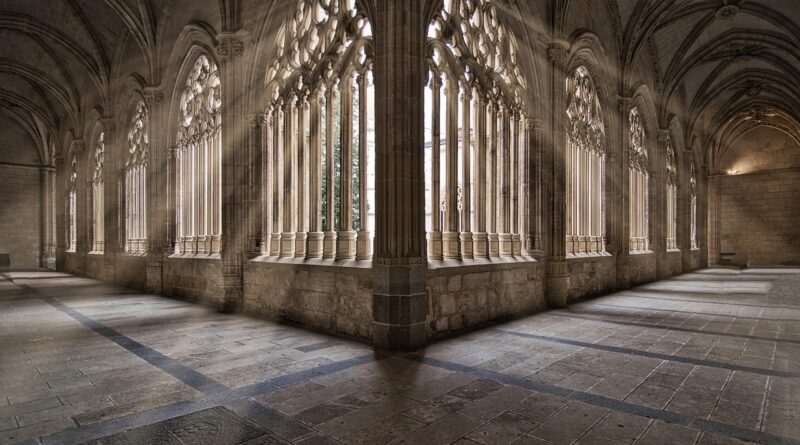
How Can You Create a Gothic Home Interior That Feels Elegant Not Gloomy?
How Can a Gothic Home Interior Feel Beautiful in a Real Home?
A gothic home interior can look deep, quiet, and personal without making the living room feel like a display set. On archithaus.com’s Home & Interior pages, the style sits with real design work: proportion, texture, light, and craft. The room can carry an old-world feeling, but it still has to handle a normal weeknight with a sofa, a reading lamp, and a place for a coffee cup.
Historical Cues with Modern Limits
The National Gallery, London glossary, reviewed in 2026, places Gothic art and architecture mainly in northern Europe from about the 12th to the 16th century. That gives the style a proper design source, not just a dark mood board. You can use the vertical pull, pointed forms, tracery, stained glass color, and carved detail. You do not need a chapel ceiling, and you do not need fake stone on every wall.
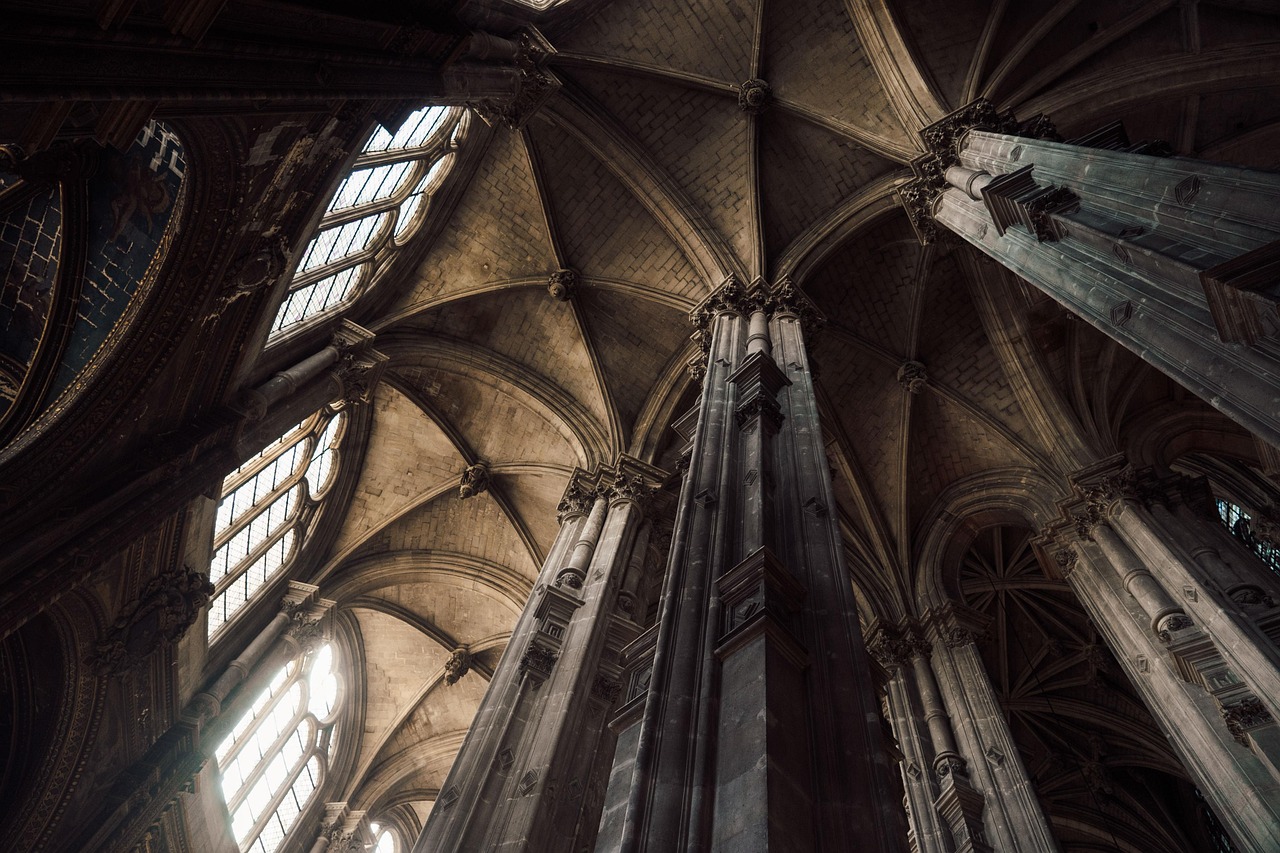
Dark Color with Breathing Space
Dark color works when the room still has some air in it. In a 12-by-15-foot living room, flat black on every surface can make the space close in quickly. A safer plan is charcoal walls, a warm white ceiling, walnut furniture, and one deep red or forest green accent. The room still reads Gothic, but people can see faces across the sofa.
Architectural Detail before Decor
Start with shapes before you buy small objects. An arched bookcase, tall mirror, ribbed cabinet doors, pointed window trim, or slim wall panels will carry the style better than a shelf full of novelty pieces. A small brass raven on a shelf is fine if it has a place. A room packed with plastic skulls will feel tired by Tuesday.
Which Gothic Elements Matter Most Indoors?
Gothic design came from structure, not from loose decoration. The Victoria and Albert Museum guide to the Gothic style, published in 2024, highlights pointed arches, rib vaults, flying buttresses, tracery, and stained glass as key features. In a home, those ideas need to be smaller, lighter, and safe for daily use.
Pointed Arches and Vertical Lines
A pointed arch is one of the fastest ways to show the style. You can use it in a mirror, doorway surround, cabinet front, headboard, or wall niche. Vertical lines also help. Tall curtains, narrow shelving, high-backed chairs, and long artwork draw the eye upward. Even with an eight-foot ceiling, that lift can make the room feel more settled and more formal.
Tracery Patterns and Stained Glass Mood
Tracery is the stone-like pattern often tied to Gothic windows. At home, it can show up as laser-cut wood screens, metal cabinet inserts, rug borders, or carved panels. Stained glass is useful for the mood, but it does not have to be old or expensive. A small transom panel, colored glass lamp, or film on a pantry door can give the same filtered light effect in a practical way.
Ribbed Forms and Layered Ceilings
True rib vaulting belongs in large buildings, but ribbed forms can still work indoors. Thin ceiling battens, shallow beams, or a painted panel grid can suggest vaulted structure without taking over the room. Keep the depth modest unless the room is tall. Heavy beams in a low room can feel like weight over your head instead of drama.
What Colors and Materials Make the Style Work?
A good Gothic palette is not only black. It often works better when dark tones sit next to warm natural materials. The Royal Institute of British Architects describes Gothic as tied to craft, pointed arches, rib vaults, buttresses, tracery, pinnacles, and spires. Inside a home, that craft feeling comes through surface, joinery, textile weight, and metal detail.
Deep Walls with Warm Undertones
Choose colors with body, not just cold darkness. Oxblood, ink blue, aubergine, moss green, soot gray, or brown-black can all work. If the room faces north, use a warmer shade. If it gets strong afternoon sun, cooler tones are easier to handle. Test a 2-by-2-foot sample and check it in the morning, afternoon, and at night. Gothic color can shift a lot under lamps.
Stone, Wood, Metal, and Velvet
Four material groups carry the look well: stone, dark wood, aged metal, and soft cloth. A marble-topped console, oak table, wrought iron candleholder, and velvet chair can build the style without filling every corner. If real stone is too heavy or too costly, use a honed stone tray or limestone lamp base. It gives a similar note at a smaller scale.
Matte Finishes That Age Well
Glossy black furniture can look hard, and it shows dust quickly. Matte, satin, and hand-rubbed finishes usually wear better in a real home. Look for visible grain, patinated brass, brushed bronze, unlacquered metal, plaster, linen, wool, and leather. These materials do not need to look perfect. A bit of wear helps the room feel collected, not bought in one afternoon.
How Should You Plan Lighting for Drama and Comfort?
Gothic rooms need shadow, but they also need working light. A room that looks moody in photos can be a problem if you cannot read a book or find the remote. Plan the light in layers first, then choose the decorative fixtures.
Three Light Levels in One Room
Use ceiling light for general visibility, wall or picture lights for architecture, and table lamps at human height. In a dining room, a dark iron chandelier over the table can work well. Still, add sideboard lamps or sconces so the corners do not disappear. Warm bulbs around 2700K often suit wood, red, gold, and bronze better than bright cool bulbs.
Candle Warmth without Real Flame Risk
Candles fit the look, but open flame near curtains, books, or dried flowers is not worth the risk. Use enclosed lanterns or good flameless candles in narrow halls and bedrooms. Real candles can stay on a dining table during a meal when someone is there. It sounds simple, but many Gothic rooms use heavy textiles, and textiles change the fire safety picture.
Window Treatments That Keep Daylight Alive
Heavy drapery feels right for the style, but full blackout fabric can make daytime rooms feel flat. Pair lined velvet side panels with sheer linen or light-filtering shades. You still get height and softness, while daylight stays in the room. If you have arched windows, do not cover the curve. Mount the rod higher and wider so the arch remains visible. See also: Building Styles.
What Furniture and Decor Keep Gothic Design Livable?
Furniture should bring the character, not fight daily use. Public data does not isolate resale gains for gothic interiors as a design category as of July 2026, so any claim that Gothic style alone raises home value by a fixed percent should be treated with caution. The closest practical evidence comes from the National Association of Realtors 2025 Profile of Home Staging: 37 percent of buyers’ agents named the living room the most important room to stage, 29 percent of sellers’ agents reported a 1 percent to 10 percent higher dollar value from staging, and 49 percent said staging cut time on market. The point is simple. Style helps when buyers and guests can still read the room.
One Statement Piece per Zone
Pick one main Gothic piece in each zone. In a living room, that may be an arched cabinet. In a bedroom, it may be a carved headboard. In an entry, it may be a tall mirror. Too many statement pieces start to compete, and the room loses order. Let one object lead, then keep the nearby pieces quieter.
Tall Storage and Arched Silhouettes
Gothic interiors work well with height, so storage can be part of the design. Tall bookcases, glass-front cabinets, and wardrobes with arched panels add vertical rhythm while hiding real life: board games, chargers, extra throws, dog toys. That practical side matters. A beautiful room still needs somewhere for normal clutter.
Art, Books, and Slightly Strange Objects
Art gives the room its own voice. Botanical prints, antique maps, architectural sketches, moody landscapes, religious-style frames used respectfully, and dark floral textiles all fit the look. Add books, ceramics, metal boxes, or one odd object with a story behind it. Do not fill every surface. Empty space lets carved edges and shadows do their work.
How Can You Avoid Common Gothic Interior Mistakes?
The most common mistakes are not really about taste. They usually come from scale, maintenance, and comfort. Gothic style is strong, so small choices show up fast. A dark wall can look elegant. Five dark walls, heavy drapes, black flooring, and no daylight can push a home into theme-room territory.
Too Much Black Too Fast
If you are new to the style, start with one dark room or one dark feature wall. Powder rooms, studies, and dining rooms can handle stronger color. Open-plan family spaces usually need a softer balance. Use cream lampshades, pale art mats, wood floors, or a lighter rug to break up the darkness. The contrast is what makes the dark color look planned.
Cheap Props Instead of Craft
Props can make the style look thin. Thin plastic gargoyles, printed fake stone, and oversized Halloween decor will make the room feel temporary. Put the budget into one well-made light fixture, real wood trim, good fabric, or a proper mirror. The room can still have humor, but the bones should feel honest.
Moisture, Dust, and Heavy Fabrics
Heavy curtains, upholstered chairs, rugs, and books can collect dust and hold moisture. The U.S. Environmental Protection Agency Care for Your Air guide, updated in 2025, recommends keeping indoor humidity between 30 and 50 percent, and below 60 percent, to help control mold and dust mites. In a Gothic room with layered fabric, that is not a small note. Use washable textiles where possible, vacuum upholstery, leave air space behind large furniture, and keep basement rooms dry before adding velvet or wallpaper.
FAQ
Q1: Is a Gothic Home Interior Always Dark? A: No. It can use ivory, warm gray, muted gold, and natural wood. Dark tones help the mood, but shape, height, texture, and light matter just as much.
Q2: What Is the Easiest Room for Gothic Interior Design? A: A dining room, study, powder room, or bedroom is often easiest because these spaces can handle stronger color and lower light without hurting daily function.
Q3: Can You Mix Gothic Style with Modern Furniture? A: Yes. Keep modern pieces simple and let Gothic details appear in arches, lighting, mirrors, textiles, and art. Clean-lined sofas often look better than bulky faux-antique sets.
Q4: What Should You Buy First for This Style? A: Start with lighting or one architectural piece, such as an arched mirror, tall cabinet, or carved headboard. These items set the tone before small decor enters the room.
Q5: Does Gothic Interior Design Hurt Resale? A: There is no reliable public data that measures Gothic interiors alone. For resale, keep the main layout clear, avoid permanent extreme finishes, and make the living room easy to picture as a real home.