
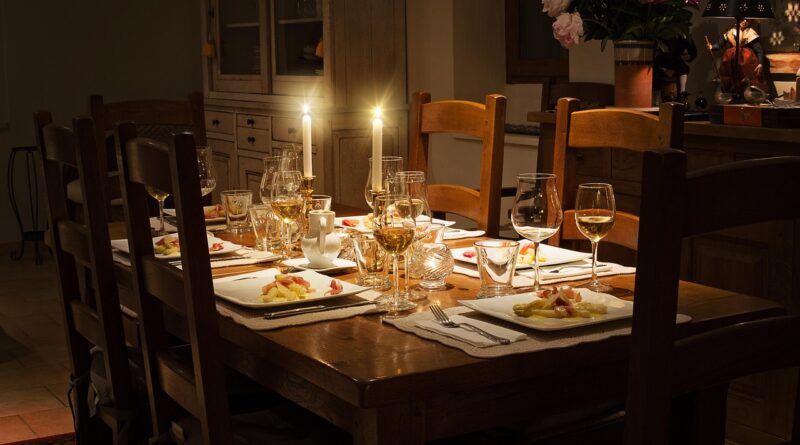
How Can Dining Room Table Decor Make Every Meal Feel More Inviting?
How Should Dining Room Table Decor Start with the Room Itself?
Good dining room table decor is not only a vase placed in the center. It is a small layout choice that helps meals feel settled, makes guests feel welcome, and keeps the room looking complete. If you are looking at more home styling ideas, the Furniture & Decor section is a good place to continue. For context, the U.S. Bureau of Labor Statistics reported in its 2024 American Time Use Survey that people age 15 and older spent an average of 1.24 hours per day eating and drinking, and 95.9% did so on the surveyed day. That is a fair amount of table use before birthdays, holidays, and late-night tea are even included. (bls.gov)
Clearance Before Centerpieces
Start with movement around the table. A table can look good in photos but still be difficult to use if chairs scrape the wall or guests cannot pass behind each other. The National Kitchen & Bath Association’s kitchen planning guidance gives a useful benchmark for dining seating: allow 36 inches where a diner needs clearance, about 44 inches where someone walks behind, and more for accessible passage. Use those figures as a practical check before spending money on decor, not as a fussy design rule. (media.nkba.org)
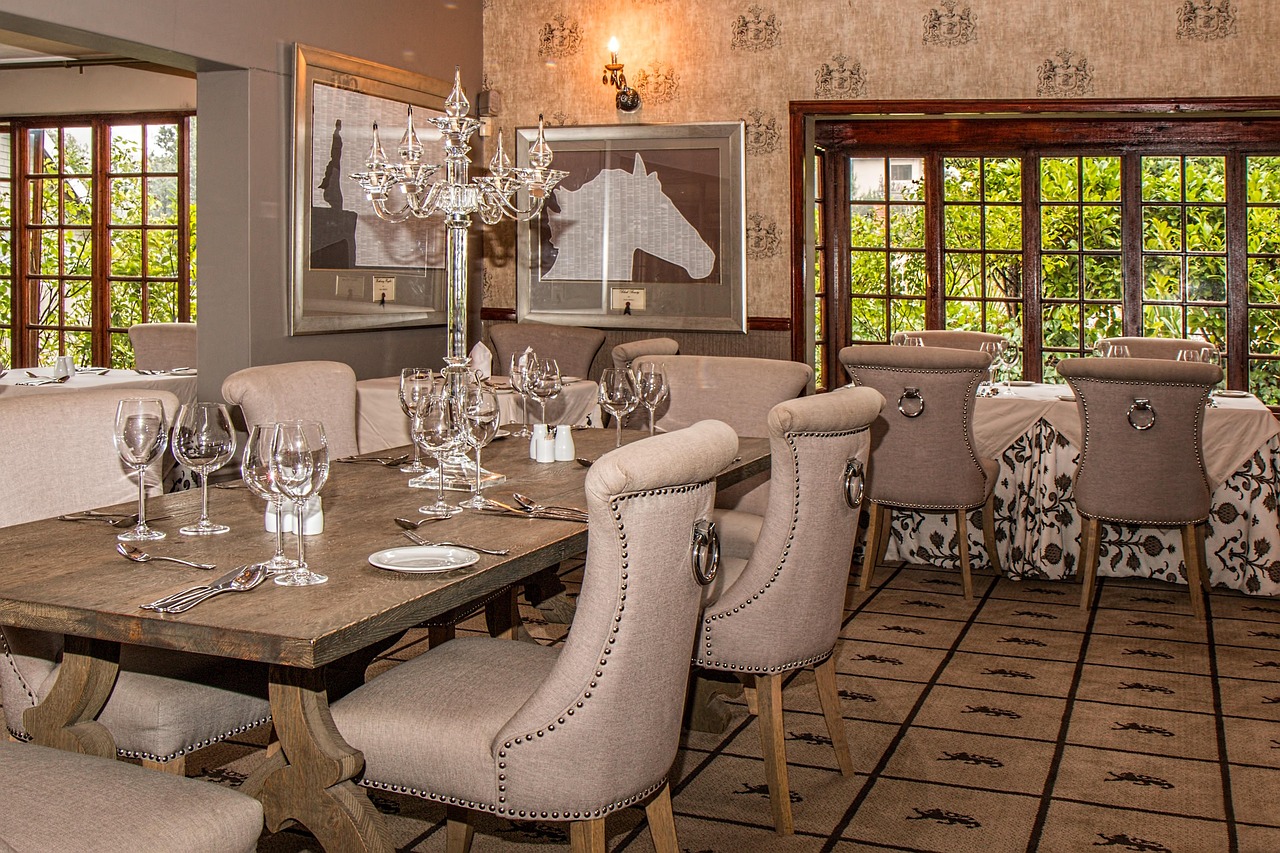
Table Shape and Daily Movement
Round tables work well in smaller rooms and make conversation easier because everyone faces the center. Rectangular tables fit longer dining rooms and more formal layouts, while oval tables are often useful in open kitchen-dining spaces. Your decor should follow the table shape where possible. A round bowl usually looks right on a round table, and a long tray often sits better on a rectangle.
A Scale Check Before Shopping
Before buying decor, mark the area with paper or painter’s tape where the pieces will sit. It is a simple step, but it helps avoid buying items that are too large for real meals. A centerpiece still needs to leave space for plates, glasses, serving bowls, elbows, and the guest who keeps a phone beside the napkin. This quick check is also useful when comparing trays, bowls, and candleholders online.
- Keep everyday decor within the center third of the table.
- Leave clear landing space near each seat.
- Check the view from the doorway, not only from above.
What Centerpiece Height Keeps the Table Comfortable?
A centerpiece should make the table look prepared, not blocked off. The easiest test is to sit down and look at the person across from you. If the arrangement cuts across their face, it is too tall for dinner. Keep taller pieces for sideboards, console tables, or entry flowers where people are not trying to talk across the table.
The Low Sightline Rule
For everyday dining, keep most decor around 10 to 12 inches high. Low bowls, ceramic vessels, footed dishes, and small plants are usually easy to live with. If you want more height, use slender candlesticks or thin branches so faces remain visible. A tall solid vase in the center can feel like a soft barrier, even when it looks nice.
Trays, Bowls, and Odd Numbers
A tray is one of the most useful styling tools on a dining table because it keeps small pieces together. It also makes the table easier to clear when food, laptops, or homework need the space. Try three items first: a low bowl, a small vase, and a candleholder. Five can work on a long table, but seven usually starts to look like a shop display unless the table is very large.
Seasonal Details Without Table Clutter
Seasonal decor works best when it is kept light. In spring, clipped branches or a pale linen runner are often enough. In fall, a wood bowl with pears or mini pumpkins can give the table a seasonal note without taking over. Around winter holidays, a few greens and brass candleholders can do the job, as long as you edit before the table becomes a storage shelf.
Which Materials and Colors Feel Current Without Looking Trendy?
Current design does not need to be loud. Houzz’s 2026 U.S. Emerging Summer Trends Report, based on U.S. search data from January to March 2026 compared with the same period in 2025, pointed to curved forms, tactile textures, and warm earthy colors. Searches for sandstone rose 257%, rust colors rose 178%, and chocolate brown climbed 153%. For dining tables, that points to a steady direction: natural texture and warm color feel up to date, but they do not look disposable. (houzz.com)
Wood, Stone, and Woven Texture
Wood brings warmth, stone gives the setting some weight, and woven pieces stop the table from feeling too stiff. A walnut table may only need a cream runner and a stone bowl. A glass table often needs more texture, such as rattan chargers or linen napkins, because the surface can feel cold on its own. These materials also hold up well across seasons, which matters for buyers and homeowners who do not want to restyle every month.
Warm Neutrals with One Rich Accent
Warm white, taupe, mushroom, and soft brown are easy base colors for dining room table decor. They work with wood, stone, glass, and most common chair finishes. Add one deeper note, such as oxblood napkins, olive taper candles, or a cocoa-colored vase. Avoid mixing every popular shade at the same time, because one strong accent looks planned while too many accents can feel like leftover stock.
Curves That Soften Straight Rooms
Dining rooms often have many straight lines, including table edges, chair backs, windows, cabinet doors, and floorboards. Curved decor can make those lines feel less hard. A rounded bowl, scalloped dish, oval tray, or arched candleholder is enough to soften the setting. It is a small choice, but it changes how the table reads from the doorway.
How Can the Table Work for Everyday Meals and Guests?
The modern dining area often shares space with the kitchen, breakfast nook, or living room. Houzz’s 2026 U.S. Kitchen Trends Study surveyed 1,780 U.S. homeowners planning or completing kitchen renovations and found that 17% included built-in seating, such as banquettes, while beverage stations reached 24%. That matches what many homes already need from a dining zone. The same table may handle coffee, homework, snacks, hosting, and quick weeknight meals. (houzz.com)
Everyday Decor That Survives Breakfast
For daily use, keep the table reset simple. A washable runner, a low bowl, and two candleholders are enough for many homes. If kids use the table, avoid fragile glass in the center because it will be moved, bumped, or grabbed. If the table also works as a laptop spot, place everything on a tray so it can be lifted away in one move. See also: Building Styles.
Guest Layers That Leave Room for Plates
For guests, build the table from flat to tall: runner first, placemats or chargers next, then napkins, glassware, and low decor. This keeps the table organized without taking space from the meal. Serving dishes still need a place to land. A beautiful centerpiece loses its value when salad bowls end up on a chair because the middle of the table is full.
Small Dining Rooms with Real Style
Small rooms need firm choices, not smaller versions of every decor item. Use one generous bowl instead of five tiny objects. Choose slim candleholders instead of chunky lanterns, and keep the center of the table easy to clear. A mirror nearby can help reflect light, but the table itself should stay practical because tight spaces show clutter fast.
What Dining Table Decor Mistakes Should You Avoid?
The best table decor respects food, conversation, and indoor air. The last point is easy to overlook when styling a dining space. The U.S. Environmental Protection Agency notes that volatile organic compounds can be released by many household products, and concentrations of several organic pollutants may average 2 to 5 times higher indoors than outdoors. The room should smell clean, but strong fragrance beside dinner is usually not the right solution. (epa.gov)
Tall Pieces That Block Conversation
Oversized floral arrangements can look good on a buffet, but they do not always work on the eating surface. If you like height, place tall stems at one end of the table and keep the center lower. At dinner, people usually remember easy conversation more than a large branch arrangement. Height should support the room, not interrupt the meal.
Strong Scents Near Food
Scented candles, reed diffusers, and strong flowers can compete with food aromas. Keep fragrance away from the dining table, especially during meals. Unscented candles give the same light without turning roast chicken into a vanilla-lavender mix. It is a small detail, but guests notice when the scent is too strong.
Too Many Themes at Once
A coastal table, farmhouse chairs, glam chargers, and industrial lighting can all look good on their own. Put them together without control, and the room can feel confused. Choose one main mood and one supporting contrast. For example, a rustic wood table with tailored linen feels balanced, but adding glitter pumpkins may push the table too far.
FAQ
Q1: What Is the Best Everyday Dining Room Table Decor? A: A low bowl, a tray, and one or two candleholders work for most homes. Keep the pieces easy to move and low enough for conversation.
Q2: How Tall Should a Dining Table Centerpiece Be? A: Around 10 to 12 inches is comfortable for everyday meals. Taller pieces can work if they are narrow or placed away from the main sightline.
Q3: Should a Dining Table Always Have a Runner? A: No. A runner adds softness and color, but a good wood or stone table can stand alone with a simple centerpiece.
Q4: How Do You Decorate a Small Dining Table? A: Use one clear focal point instead of many small items. A round bowl, compact vase, or narrow tray usually works better than scattered decor.
Q5: What Colors Are Best for Dining Room Table Decor? A: Warm neutrals are the safest base. Add one richer accent, such as olive, rust, chocolate, brass, or deep red, to make the setting feel complete.