
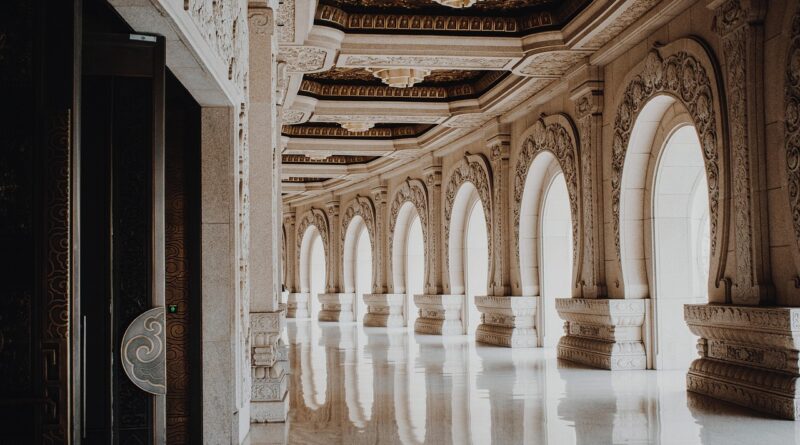
What Makes the Beaux Arts Building So Timeless in Modern Architecture?
What Is the Beaux Arts Building?
When you study the beaux arts building, you are not just looking at an old facade with decoration. The style brings together French academic training, civic purpose, and a strong street presence. For a wider tour of architectural categories, keep the Building Styles section nearby as a useful reference.
A French Academic Root
Beaux Arts design grew from the École des Beaux-Arts in Paris, where architects learned classical composition, drawing, proportion, and large-scale planning. The Architect of the Capitol describes the style as theatrical, heavily ornamented, and classical, taught during the nineteenth century at that Paris school. This training helps explain why the style feels formal and planned, not loose or casual. (aoc.gov)
A Public-Facing American Identity
In the United States, the style became common for buildings that needed to look lasting: libraries, courthouses, stations, museums, and government offices. It gave cities a direct way to show that public life deserved care and visible investment. The first congressional office buildings, Russell and Cannon, were designed in the Beaux Arts style by Carrère and Hastings, a firm tied closely to American civic architecture.
A Style Built Around Ceremony
The style does not hide its purpose. It asks visitors to notice the entrance, climb the stair, pass through a portal, and arrive in a room that feels important. That short sequence still matters in real projects, because it shapes how people move and remember a place. Even a quick visit to a Beaux Arts hall can feel like a public event, which is why many visitors still stop to photograph stairs, clocks, arches, and ceilings before they read the plaque.
How Can You Recognize a Beaux Arts Building?
A Beaux Arts building is usually easy to spot once you know the pattern. Start with the full mass, then move closer. The style often works like a stage set: clear order from the street, then carved detail, metalwork, sculpture, and stone texture when you stand near it.
Symmetry and Axial Planning
Look for a clear center line. Doors, windows, domes, stairs, and courtyards often line up along an axis. This gives the building a steady and organized face, even when the decoration is active. The plan may also guide people from street to lobby to main hall in a direct way.
Monumental Facades and Grand Stairs
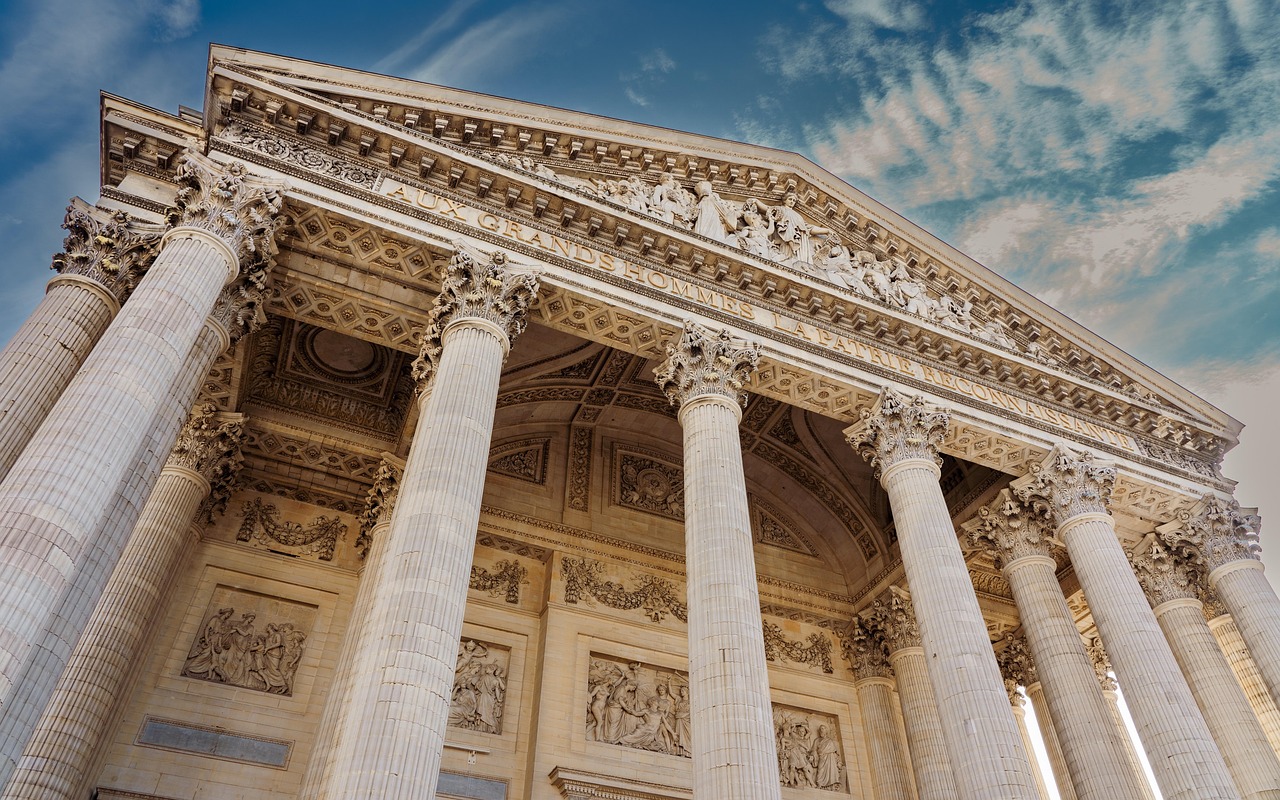
The U.S. General Services Administration notes that Beaux Arts buildings are classical in form and often use projecting facades, paired colossal columns, statuary, monumental stairs, and enriched moldings. In plain terms, the building is meant to look civic, not private. It stands forward, raises the entrance, and makes the first few steps feel meaningful to the visitor. (gsa.gov)
Rich Materials and Sculptural Detail
Stone, terra cotta, bronze, plaster, marble, and mosaic often carry the style. Not every Beaux Arts building is full of sculpture, but many use ornament to frame the structure and mark key parts of the facade or interior. Lions, wreaths, cartouches, shields, garlands, clocks, and allegorical figures are common. Some details carry meaning, while others are simply part of the craft and visual order.
Why Did Beaux Arts Buildings Shape American Cities?
Beaux Arts design reached the United States when American cities were growing quickly and wanted a more finished public image. Rail travel, public libraries, large museums, and new government programs all needed buildings with size and authority. The style gave architects a shared language for that work.
The 1893 Chicago Moment
The World’s Columbian Exposition of 1893 made Beaux Arts classicism very visible in the United States. The Chicago Architecture Center notes that Beaux Arts was the style of choice for the fair and that its grandeur helped shape important Chicago buildings that followed. The point is straightforward: a young industrial city used classical order to look mature, stable, and world-class. Fair architecture also made large civic buildings feel like a normal part of American city planning. (architecture.org)
Libraries, Stations, and Civic Halls
The best Beaux Arts examples often had a public job to do. A railway station had to move crowds without making the space feel rough or confusing. A library needed quiet scale, and a courthouse needed authority without looking like a fortress. The style handled these jobs well because it joined practical circulation with a strong public image.
City Beautiful Planning
Beaux Arts design also supported the City Beautiful movement, which treated streets, parks, axes, and civic buildings as parts of one urban plan. This is why a Beaux Arts building often looks strongest from across a plaza or at the end of a boulevard. It was made for the city as a whole, not just for the edge of its site.
What Makes the Beaux Arts Building Valuable Today?
The value is not only about nostalgia. A good Beaux Arts building can still serve a city, a campus, or a private owner. Its large rooms, solid materials, and clear street presence can support new uses, as long as the project team protects the parts that make the building worth keeping.
Clear Civic Presence
Modern buildings sometimes make people search for the front door. Beaux Arts buildings usually do not have that issue. The entrance is clear, often wide, and easy to remember. For hotels, cultural venues, schools, and public offices, that clarity has real value because visitors can find their way without a heavy sign program.
Durable Mixed-Use Potential
Many Beaux Arts structures have high ceilings, thick walls, large windows, and strong circulation routes. These traits can help reuse projects, especially when older offices become cultural space, education space, hospitality, or apartments. No reliable public source gives a single national count of every Beaux Arts building, so it is safer to discuss verified examples and shared traits instead of guessing a total.
Proven Preservation Economics
Preservation can also work as a business case. The National Park Service reported that private investment through the federal historic rehabilitation tax incentives program generated more than $12.8 billion in economic output in fiscal year 2024, supported about 116,000 jobs, and contributed $6.6 billion to U.S. GDP. The program is built around tax-supported rehabilitation, and the numbers show jobs, output, and local project value. In practice, saving historic buildings can be a sound business decision, not only a sentimental one. (nps.gov) See also: Building Layout.
How Should You Restore or Reuse a Beaux Arts Building?
Good reuse starts with a slow look at the building. Before drawing a glass addition or buying new fixtures, the team needs to understand what is already there. The most costly mistake is often not a poor paint choice. It is removing the feature that made the building worth saving in the first place.
Start with Character-Defining Features
List the elements that carry the identity: main stair, entrance arch, facade rhythm, cornice, columns, lobby floor, plaster ceiling, bronze doors, historic lighting, or ceremonial room sequence. After that, decide what must stay, what can be repaired, and what can change. A short field checklist helps the team keep the work grounded:
- Photograph major rooms before demolition or repair work begins.
- Map cracks, staining, missing ornament, and water paths.
- Test cleaning methods on small hidden areas first.
- Keep replacement pieces visibly compatible, not fake-perfect.
Plan Energy Work with Care
Energy upgrades matter, especially in large historic buildings. The U.S. Department of Energy reported in December 2024 that buildings consume about 75% of U.S. electricity and 40% of total U.S. energy. That makes retrofits important for owners and operators. For Beaux Arts projects, the practical answer is to improve systems, controls, lighting, and air sealing without casually damaging stone, plaster, windows, or historic room volumes. (energy.gov)
Keep New Work Quiet and Legible
New elevators, ramps, sprinklers, restrooms, and mechanical systems are often needed. The key is to make them useful without pretending they are original. A simple contemporary handrail can be better than a fake bronze feature that confuses the history. Clear old-versus-new work also helps future owners maintain the building in an honest way.
How Can Designers Use Beaux Arts Ideas without Copying the Past?
You do not need to put columns on every project to learn from Beaux Arts design. The better lesson is about public experience. The style paid close attention to arrival, sequence, proportion, and memory. Those ideas can still fit modern budgets and codes when they are used with restraint.
Strong Entrances and Human Ritual
A clear entrance changes how a building feels from the first approach. Shade, a generous landing, a visible door, and a short moment of compression before the lobby can make arrival easier to understand. This sequence can work in a school, apartment building, or office. It helps people arrive calmly instead of wondering where to go.
Classical Proportion without Heavy Ornament
Classical proportion can guide window spacing, base-middle-top composition, and facade rhythm without turning the building into a costume. A modern structure can borrow balance, depth, and hierarchy while using plain brick, stone, precast, or metal. The result feels settled rather than theatrical. It also keeps the design useful for current construction methods.
Public Rooms That People Remember
Beaux Arts buildings often put real effort into shared rooms. That lesson still matters, even on projects with tight budgets. A lobby with daylight, a stair people want to use, or a reading room with good acoustic calm can do more for daily use than a glossy rendering. Beauty is not always an add-on; sometimes it is the part people keep using and talking about.
FAQ
Q1: What Is the Main Feature of a Beaux Arts Building? A: The main feature is formal classical order combined with rich detail. You usually see symmetry, a strong entrance, grand stairs, columns, sculpture, and carefully staged interior spaces.
Q2: Is Beaux Arts the Same as Neoclassical Architecture? A: Not exactly. Beaux Arts uses classical language, but it is often more theatrical, more layered, and more tied to grand planning than simple Neoclassical design.
Q3: Can a Beaux Arts Building Be Modernized? A: Yes. Many can be reused for offices, hotels, housing, museums, or civic space. The key is to protect major historic features while updating systems, access, safety, and comfort.
Q4: Why Are Beaux Arts Buildings Often Used for Public Architecture? A: The style communicates order, dignity, and permanence. That made it well suited for libraries, stations, courthouses, museums, and government buildings that needed a strong civic image.
Q5: What Should You Check First before Restoring a Beaux Arts Building? A: Start with water damage, masonry condition, roof and cornice problems, historic windows, and major interior features. Those areas often decide the budget and the preservation strategy.