
Are Old Western Building Fronts the Key to Reviving Empty Storefronts
City Hall Wants To Fill Empty Storefronts. Some Neighborhoods Don’t Want Help
Urban revitalization has become a balancing act between economic necessity and cultural preservation. City Halls across the country are eager to fill empty storefronts, but not every community welcomes intervention. The revival of old western building fronts illustrates this tension: while such facades can attract tourism and business, they may also trigger debates about authenticity, gentrification, and imposed identity. The most sustainable outcomes emerge when design-led strategies respect local heritage while addressing real market conditions.
The Concept of Old Western Building Fronts in Urban Revitalization
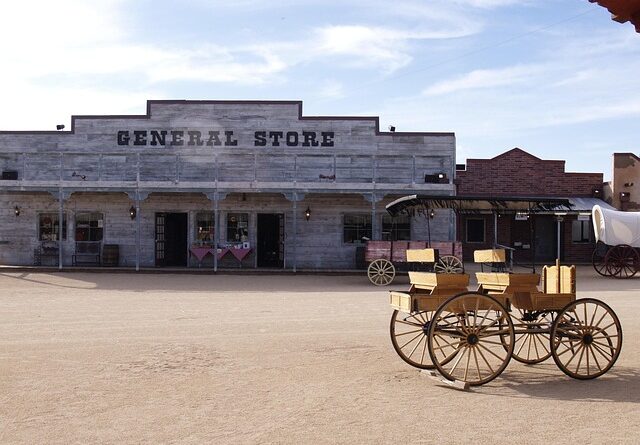
Old western building fronts have re-emerged as a symbolic tool in city regeneration projects. Their rustic charm connects the past with present commercial ambitions, shaping how cities reimagine their identities amid vacancy challenges.
Historical Context and Architectural Significance
The origins of old western building fronts date back to 19th-century frontier towns where timber façades defined early American streetscapes. They were functional yet expressive—built quickly but designed to project permanence and prosperity. These façades now serve as nostalgic reminders of expansion-era optimism, resonating with collective memory.
Their revival in modern urban planning taps into a shared cultural identity. Communities often associate these fronts with resilience and craftsmanship, qualities that contemporary architecture sometimes lacks. The symbolic value lies not just in aesthetics but in what they represent—a continuity of place through design language.
How These Facades Evoke Nostalgia and Cultural Identity
Retro-styled fronts evoke emotional familiarity. For many residents, they recall small-town main streets or cinematic depictions of the American West. This nostalgia fosters attachment to place, reinforcing civic pride even amid economic transition.
Cultural identity becomes tangible when expressed through architecture. A restored western façade can remind locals of their town’s origin story or regional craftsmanship traditions. Yet this sentimentality must be balanced with inclusivity; not all residents identify with that history equally.
The Symbolic Value of Heritage Aesthetics in Modern Urban Design
Heritage aesthetics carry more than decorative appeal—they signal continuity in an era of constant change. When applied thoughtfully, old western building fronts integrate storytelling into city design, turning commercial corridors into living museums. However, symbolism without context risks becoming theatrical rather than meaningful.
The Appeal of Retro Aesthetics in Contemporary Urban Planning
Cities increasingly use themed architecture to humanize commercial zones and differentiate districts. Retro aesthetics like old western fronts offer visual warmth that contrasts with glass-and-steel modernism.
Why Communities Are Drawn to Traditional or Themed Facades
Communities gravitate toward designs that feel familiar and grounded. Traditional façades invite pedestrian engagement by creating a sense of scale and comfort missing from minimalist developments. For small towns competing with online retail, such visual cues can rekindle street-level activity.
The Psychological and Social Impact of Familiar Architectural Styles
Familiar architectural styles provide psychological stability amid rapid urban change. Studies in environmental psychology show that recognizable design elements reduce perceived alienation in redeveloped areas. Residents often interpret these facades as signs that redevelopment respects their history rather than erases it.
Balancing Authenticity With Commercial Viability in Façade Restoration Projects
Authenticity remains the hardest part to preserve. Developers may replicate styles superficially for marketing appeal, which risks alienating locals who see through aesthetic mimicry. Successful projects pair stylistic homage with genuine material quality—using reclaimed wood or historically accurate signage—to maintain credibility while supporting commercial goals.
Urban Vacancy Challenges and the Search for Viable Solutions
While design plays a role, the economic roots of empty storefronts run deeper than appearances alone. Vacancy reflects structural shifts in retail behavior and policy environments that shape property use.
Understanding the Dynamics of Empty Storefronts
Retail vacancies stem from multiple pressures: rising rents, e-commerce growth, shifting consumer habits, and outdated zoning codes that limit adaptive reuse. In many downtowns, ownership fragmentation complicates coordinated action; landlords prefer waiting for high-paying tenants rather than accepting lower rents that sustain occupancy.
The social cost is visible—darkened windows signal decline even when surrounding areas thrive economically.
Shifts in Consumer Behavior Affecting Local Business Sustainability
Consumer spending has migrated toward experiences rather than goods, pushing traditional retailers out of prime corridors. Meanwhile, suburban big-box centers or digital marketplaces capture demand once anchored downtown. Cities trying to revive main streets must rethink what kind of commerce fits contemporary lifestyles—cafés, studios, hybrid workspaces rather than pure retail.
The Role of Zoning, Rent Levels, and Property Ownership Structures
Rigid zoning often blocks creative reuse such as pop-up galleries or co-working setups within vacant units. High rent expectations discourage experimentation by small entrepreneurs. Where ownership is concentrated among absentee investors, neglect compounds over time because incentives for maintenance remain weak without active oversight.
City Hall’s Strategies for Storefront Activation
Municipal governments deploy varied tools—from grants to temporary art installations—to reanimate dormant corridors while negotiating community trust.
Common Municipal Incentives for Small Business Occupancy
City Halls frequently offer rent subsidies or tax abatements to encourage small business tenancy in underused spaces. Some cities create revolving funds allowing short-term leases at reduced rates to test market viability before long-term commitments form.
Design-Based Interventions Aimed at Increasing Foot Traffic
Design interventions include façade improvement programs where cities co-finance exterior renovations reflecting local heritage styles such as old western building fronts. Enhanced lighting, signage consistency, and pedestrian-friendly layouts amplify street presence without altering structural integrity.
Public-Private Partnerships in Urban Revitalization Programs
Public-private partnerships align municipal resources with private investment capacity. When structured transparently—with community input—they reduce risk perception among investors while ensuring projects reflect neighborhood character rather than top-down vision alone.
Evaluating Old Western Fronts as a Revitalization Strategy
Themed façades can catalyze economic renewal if integrated into holistic frameworks addressing both aesthetics and function.
Architectural Interventions as Economic Catalysts
Façade redesign influences perception directly; visually coherent streetscapes attract both consumers and tenants by projecting vitality. In some towns adopting old western motifs increased visitor counts by double digits during seasonal festivals—a measurable return on modest aesthetic investment compared to full redevelopment costs.
Comparative Analysis of Themed Architecture Versus Modern Minimalism
Modern minimalism emphasizes efficiency but often lacks emotional resonance at street level. In contrast, themed architecture like western-style façades engages curiosity through texture and ornamentation. Yet minimalism offers lower maintenance costs; thus decisions depend on context—heritage districts benefit from thematic depth whereas new business parks may favor simplicity.
Cost-Benefit Considerations for Property Owners and Local Governments
For owners, façade upgrades yield higher occupancy rates but require upfront capital outlay averaging $50–$150 per square foot depending on materials used. Local governments justify subsidies when projected tax gains offset initial grants within five years—a common evaluation benchmark among redevelopment authorities.
Community Perceptions and Cultural Resistance
Design-led renewal inevitably stirs debate about who defines authenticity and whose memories count within public space narratives.
Reasons Some Neighborhoods Resist Aesthetic or Economic Interventions
Resistance often arises from fear that cosmetic changes precede displacement or homogenization. Residents worry city-backed beautification masks broader gentrification agendas benefiting outsiders more than locals.
Concerns About Gentrification, Authenticity, and Imposed Design Narratives
When western-style facades appear disconnected from actual local history—say in industrial-era neighborhoods—the result feels imposed rather than organic. Authenticity demands contextual storytelling: linking design choices to verifiable heritage rather than generic nostalgia branding.
The Importance of Participatory Planning in Community-Driven Redevelopment
Participatory planning mitigates resistance by giving residents agency over visual outcomes. Workshops where citizens co-design façade palettes or signage guidelines build ownership that transcends aesthetics into shared governance culture.
Integrating Heritage-Inspired Design into Modern Urban Frameworks
Revitalization succeeds when heritage motifs coexist with current performance standards—energy codes, accessibility rules—and sustainability objectives.
Adaptive Reuse and Contextual Architecture Approaches
Adaptive reuse transforms existing structures while retaining character-defining features like cornices or wooden trims typical of old western building fronts. Modern materials such as fiber-cement siding replicate vintage textures yet meet fire safety norms required under contemporary codes like those issued by the International Code Council (ICC).
Examples of Successful Adaptive Reuse Projects Maintaining Cultural Continuity
Projects converting former saloons into cafés or boutiques illustrate how historical continuity enhances market differentiation without freezing progress. In several midwestern towns these adaptive efforts revived tourism clusters around preserved main streets once written off as obsolete retail zones.
Strategies for Sustainable Integration Without Compromising Heritage Value
Sustainability aligns naturally with preservation when energy-efficient retrofits respect original fabric—LED lighting behind period fixtures or solar panels concealed on flat roofs maintain visual integrity while cutting operational costs long term.
Policy Implications for Design-Led Revitalization Programs
Policy frameworks determine whether aesthetic interventions translate into durable outcomes beyond surface appeal.
Regulatory Frameworks Guiding Façade Renovation Initiatives
Many municipalities adopt design review boards ensuring renovation aligns with district character guidelines similar to those recommended by the National Park Service’s Preservation Brief series which emphasize reversibility and material compatibility principles for historic façades.
Incentive Structures Supporting Historically Themed Redevelopment Efforts
Tax credits tied to certified rehabilitation under federal historic preservation programs motivate compliance with authentic restoration practices instead of superficial imitation approaches common in speculative developments.
Metrics for Evaluating Long-Term Success Beyond Visual Improvement
Evaluation should include business retention rates, pedestrian counts via smart sensors, tenant diversity indices—not just before-and-after photographs—to gauge whether aesthetic investments translate into sustained vitality rather than temporary spectacle effects.
Economic, Social, and Cultural Outcomes of Themed Storefront Revivals
The ripple effects extend across commerce ecosystems and civic morale when revitalization honors both economy and memory simultaneously.
Measuring Economic Impact on Local Commerce Ecosystems
Indicators include increased lease uptake within six months post-restoration or uplifted rental values averaging 10–20% depending on location density patterns documented by local chambers of commerce studies using GIS-based tracking tools aligned with ISO 37120 urban sustainability metrics frameworks (IEA data standards).
Secondary Effects on Tourism, Hospitality, and Adjacent Property Markets
Tourism agencies report themed main streets boosting hospitality revenues through weekend travel packages centered on historic ambiance experiences—a spillover effect enhancing adjacent property valuations due to renewed pedestrian flows along restored corridors.
Social Cohesion and Identity Reinforcement Through Design Choices
Architectural aesthetics anchor collective memory; residents rally around visible symbols reflecting shared stories rather than anonymous glass boxes replacing them overnight—a subtle yet powerful cohesion mechanism evident across rural revitalization case studies nationwide.
Risks of Superficial Branding Versus Genuine Cultural Representation
When retro themes become mere décor detached from lived experience they risk trivializing heritage into entertainment commodity; genuine representation requires involving local artisans whose craft traditions embody authenticity beyond appearance alone.
Long-Term Sustainability Considerations
Stylized façades demand upkeep—paint cycles shorter due to exposed timber surfaces typical in western motifs—and environmental trade-offs arise if materials lack durability certifications meeting ISO 14001 environmental management standards.
Strategic Recommendations for Policymakers and Urban Designers
Sustainable revitalization blends economics with empathy: respecting place identity while adapting pragmatically to evolving markets.
Aligning Aesthetic Strategies With Economic Realities
Design choices must mirror demographic trends; investing heavily in nostalgic facades where youth-driven economies dominate may misalign resource allocation priorities.
Developing Flexible Frameworks Adaptable to Diverse Neighborhood Contexts
Policy flexibility allows neighborhoods differing histories—from mining towns to coastal ports—to interpret heritage motifs uniquely instead of enforcing uniform templates.
Encouraging Collaborative Governance Models
Collaborative governance invites residents alongside business owners and preservationists into decision-making circles where consensus replaces confrontation; only then can old western building fronts symbolize unity rather than division.
FAQ
Q1: Why are old western building fronts popular again?
A: They evoke nostalgia while offering distinctive branding potential for towns seeking identity-based revitalization strategies appealing to both tourists and locals alike.
Q2: Do themed facades increase property values?
A: Yes, studies show well-executed façade restorations raise nearby property values due to improved perception of safety and vibrancy along commercial corridors.
Q3: What risks come with adopting heritage-style architecture?
A: Over-theming can alienate communities if designs ignore authentic local narratives or accelerate gentrification pressures displacing long-term residents.
Q4: How do policymakers measure success beyond appearance?
A: Metrics include foot traffic growth rates, business retention statistics, tax revenue changes over multiple fiscal years—not just visual satisfaction surveys alone.
Q5: Can sustainability goals align with retro architectural styles?
A: Yes; energy-efficient technologies integrated discreetly within traditional forms achieve both environmental compliance and cultural continuity without compromising either aim.