

Can A Wind-Driven Kinetic Facade For Building Redefine Sustainable Design
The Concept of Wind-Driven Kinetic Facades
Wind-driven kinetic facades represent a turning point in how you think about the relationship between buildings and their environment. Instead of static surfaces, these systems create responsive skins that move with the wind, blending art, engineering, and environmental science into one living structure. For any modern facade for building design, this concept offers both performance and poetry — a way to let architecture breathe.
The Principles of Kinetic Architecture
Kinetic architecture brings motion into building design so that structures can react to environmental changes such as sunlight, temperature, or wind. In wind-driven systems, natural airflow becomes the driving force that animates facade elements. These components—panels, louvers, or fins—shift in response to varying wind speeds and directions. This approach merges aesthetics with sustainability by using renewable energy directly from nature while maintaining visual dynamism.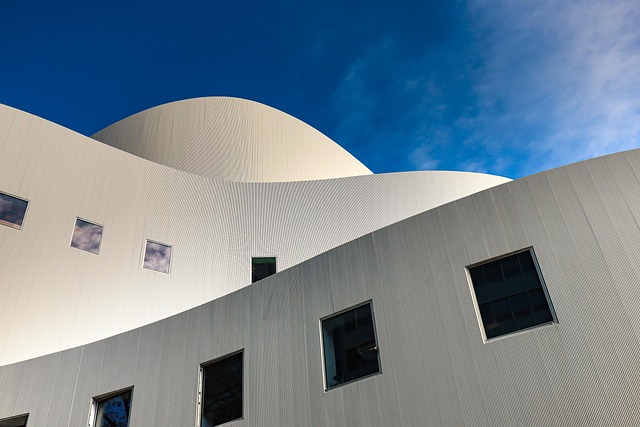
The idea is not purely mechanical; it’s an ecological dialogue between structure and climate. As architects explore new ways to reduce operational energy, kinetic facades help achieve lower carbon footprints through passive adaptability rather than relying on energy-intensive systems.
Evolution of Kinetic Facade Technologies
Early kinetic facades were often manually operated or driven by simple mechanical linkages. Think of shading screens adjusted by hand or motorized louvers controlled by timers. Over time, technology advanced toward automation with embedded sensors and microcontrollers capable of real-time adjustments. Today’s designs integrate aerodynamic optimization so that even small gusts can trigger smooth movement without excessive wear.
Wind-responsive mechanisms mark a shift from active mechanical systems toward passive environmental control strategies. They embody a sustainable philosophy where architecture uses existing forces instead of fighting them—a principle increasingly relevant in contemporary urban design.
Functional Mechanisms Behind Wind-Driven Facades
A wind-driven kinetic facade operates through a combination of structural ingenuity and precise energy management. Each component must handle dynamic forces while maintaining aesthetic coherence across the building envelope.
Structural and Material Considerations
Material selection plays a critical role in achieving durability without sacrificing responsiveness. Lightweight metals like aluminum alloys or fiber-reinforced composites are common because they resist corrosion and minimize inertia during movement. Structural flexibility must balance responsiveness with long-term stability; too rigid and the system won’t move efficiently, too flexible and it risks deformation under stress.
Bearings and joints are engineered for minimal friction since continuous exposure to wind requires smooth operation with limited maintenance cycles. Engineers often use sealed ball bearings or self-lubricating polymers to extend service life under outdoor conditions.
Energy Conversion and Control Systems
In some advanced designs, turbine-like modules or rotating panels convert wind energy into mechanical motion that powers other parts of the facade for building systems. These units might also generate small amounts of electricity for sensors or lighting within the facade itself.
Control algorithms interpret data from anemometers to regulate how much each module moves depending on real-time wind velocity and direction. Hybrid configurations sometimes include micro-storage systems—small batteries or flywheels—that capture excess kinetic energy for later use within the building envelope.
Environmental Performance and Sustainability Impact
Wind-driven facades go beyond aesthetics; they play a measurable role in improving environmental performance. By adjusting dynamically, they help buildings consume less energy while enhancing comfort inside.
Enhancing Building Energy Efficiency
Dynamic shading is one major advantage. Movable panels reduce solar heat gain during peak sunlight hours but open when natural light is beneficial, cutting down on artificial lighting needs. Similarly, adjustable openings promote natural ventilation that reduces dependence on HVAC systems during mild weather periods.
Over time, these adaptive responses lower total operational energy consumption—translating directly into reduced carbon emissions throughout the building’s lifecycle.
Resource Optimization Through Adaptive Design
Because these facades adapt passively using natural forces like wind rather than motors running constantly, they minimize active mechanical intervention. Many designs use recyclable materials such as aluminum or composite resins aligned with circular economy principles in construction.
Maintenance strategies also evolve: modular components allow selective replacement instead of complete overhaul when wear occurs. This approach saves both resources and labor while keeping systems functional over decades.
Aesthetic and Experiential Dimensions of Moving Facades
Beyond technical merit lies an expressive dimension—wind-driven facades transform architecture into a living organism reacting visibly to its surroundings.
Visual Dynamics in Architectural Expression
Continuous movement gives buildings a sense of life rarely found in static structures. Patterns shifting across surfaces create visual narratives tied directly to environmental fluctuations like gusts or breezes passing through urban canyons.
Architects often program these motions intentionally—to mimic rippling water or fluttering leaves—blurring boundaries between art installation and high-performance envelope design. Such integration deepens public engagement with sustainability concepts by making invisible forces visible through motion.
Human Comfort and Psychological Perception
Movement affects how occupants experience space inside too. Shifting light patterns influence mood and circadian rhythm alignment throughout the day. Dynamic panels mediate privacy without fully isolating interiors from outside views—a subtle balance between openness and protection.
This interplay fosters what many call biophilic engagement: people feel more connected to nature when their environment responds organically rather than remaining inert steel or glass walls.
Integration Challenges in Contemporary Architecture
While conceptually elegant, implementing a wind-driven kinetic facade introduces significant technical hurdles that you must address early in design phases.
Technical Barriers to Implementation
Custom fabrication drives up initial costs since each component must fit unique aerodynamic requirements per project site conditions. Durability testing under variable climates—from coastal humidity to desert dust—is still an active research area needing robust standards before widespread adoption becomes feasible.
Maintenance complexity demands collaboration among architects, engineers, material scientists, and control specialists who together manage structural integrity alongside moving parts’ longevity.
Regulatory and Design Framework Considerations
Building codes rarely anticipate moving facade components; this complicates approval processes during permitting stages. To succeed, integration must coordinate structural loads with electrical wiring routes and control networks right from schematic design onward.
Lifecycle analysis tools help quantify long-term sustainability benefits versus upfront investment costs—a necessary step for convincing stakeholders hesitant about novel technologies’ reliability over decades of operation.
Future Directions in Wind-Kinetic Facade Research and Application
The next generation of kinetic facades will likely rely on smarter materials and data-driven intelligence rather than pure mechanics alone—a shift already visible in current research collaborations worldwide.
Emerging Technologies Enhancing Responsiveness
Smart materials such as shape-memory alloys could allow self-regulating behavior where panels deform slightly under temperature changes without external power input. Artificial intelligence models might predict weather patterns hours ahead so facades adjust preemptively rather than reactively—enhancing comfort while preventing wear from sudden gusts.
Integration with photovoltaic layers presents another promising path: hybrid surfaces capable of both generating electricity from sunlight and responding physically to airflow could redefine multifunctional facade design entirely.
Potential Role in Urban Sustainability Strategies
If adopted widely across cities, these responsive skins could turn urban skylines into distributed micro-energy ecosystems where each building contributes small but cumulative environmental benefits back into local grids. Aggregated output from hundreds of such systems might support grid resilience efforts during peak demand events or blackouts.
Collaboration among academia, industry innovators, policymakers, and material producers will determine how fast this transition unfolds—but its potential impact on sustainable urbanism is undeniable once economic barriers begin to fall away.
FAQ
Q1: What is a wind-driven kinetic facade?
A: It’s an architectural system where exterior panels move naturally with airflow to manage light, ventilation, or energy performance dynamically across a building elevation.
Q2: How does it differ from traditional shading devices?
A: Unlike fixed louvers or blinds that require manual adjustment or constant motor power, wind-driven versions respond automatically using ambient air movement as their activation source.
Q3: What materials are most suitable for these facades?
A: Lightweight yet durable options such as aluminum alloys or composite laminates perform best because they handle repetitive motion without corroding quickly under outdoor exposure conditions.
Q4: Are there examples already built?
A: Yes—projects like Ned Kahn’s “Articulated Cloud” in Pittsburgh demonstrate large-scale installations where thousands of small panels ripple visually according to local wind currents while reducing glare inside offices (source: Public Art Review 2019).
Q5: What challenges limit broader adoption?
A: High initial fabrication costs, limited code recognition for moving parts within facades for buildings, plus ongoing maintenance complexity remain key obstacles though research continues addressing each progressively through modular engineering solutions.