
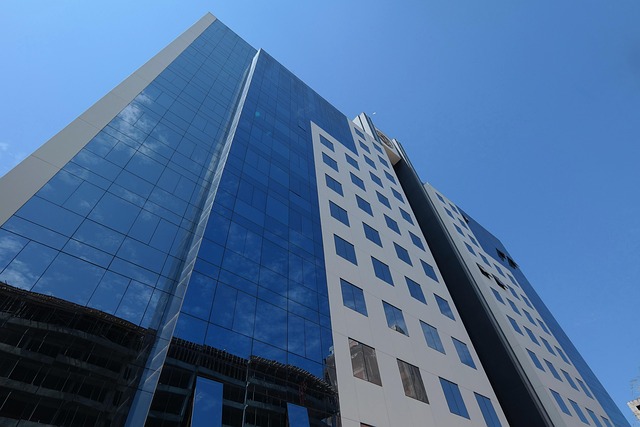
Can Facade Companies Protect Contractors When CGL Insurers Deny Claims
Contractor Sues Six CGL Insurers After All Deny Facade Failure Claim
A contractor’s lawsuit against six Commercial General Liability (CGL) insurers after a complete denial of coverage for a façade failure underscores how fragile risk allocation can be in complex construction projects. The case reveals that even well-drafted contracts and insurance policies may fall short when design, installation, and warranty responsibilities overlap. Facade companies play a decisive role in shaping both the technical and legal outcomes of such disputes. Their documentation, warranties, and coordination practices often determine whether liability rests with the builder, the subcontractor, or the insurer.
The Role of Facade Companies in Contractor Risk Management
When façade systems fail—through water intrusion, delamination, or structural cracking—the financial exposure can be immense. Contractors rely heavily on façade specialists to manage these risks through precise design execution and contractual clarity.
Relationship Between Contractors and Facade Specialists
Facade companies typically operate as specialized subcontractors responsible for design detailing, fabrication, and installation. Their work affects not only the building’s envelope performance but also its compliance with fire safety and energy efficiency codes. Because façade systems integrate multiple materials—glass, aluminum, insulation layers—the coordination between main contractors and façade providers becomes critical to structural integrity and weatherproofing. Contractual terms must clearly define liability boundaries; otherwise, disputes over workmanship versus design responsibility can escalate quickly during claims.
Allocation of Risk in Construction Contracts Involving Facade Work
Standard construction contracts distribute risk through indemnity clauses and mandatory insurance provisions. For façade work, these clauses often specify that the subcontractor bears responsibility for defects arising from improper installation or material failure. Performance warranties offered by façade companies can reduce exposure for general contractors by guaranteeing certain performance metrics such as air infiltration limits or thermal transmittance values. Clear documentation of design duties—particularly when façade firms provide engineering input—helps prevent confusion about who is accountable if failures occur.
Commercial General Liability (CGL) Coverage in Construction Projects
Insurance is supposed to function as the final safety net when physical damage or third-party injury arises from construction operations. Yet CGL policies contain exclusions that frequently limit coverage for façade-related losses.
Scope and Limitations of CGL Policies for Contractors
CGL policies generally cover third-party property damage or bodily injury caused by construction activities. However, exclusions like “your work” or “faulty workmanship” often preclude coverage for repairing or replacing defective façades themselves. Insurers may also deny claims if the damage stems from inherent design flaws rather than an accidental event. For instance, if panels detach due to miscalculated wind loads rather than a sudden impact, insurers might classify it as a professional error outside CGL scope.
Common Grounds for Denial of Facade-Related Claims by Insurers
Insurers often argue that façade defects represent contractual breaches rather than insurable occurrences under CGL terms. They may also reject claims lacking evidence of consequential property damage beyond the defective system itself—for example, if water leaks are confined within cladding layers without affecting interior finishes. Exclusions tied to professional services further complicate matters when façade companies have contributed to engineering or design-assist roles.
Legal and Contractual Implications When CGL Insurers Deny Coverage
When multiple insurers deny coverage simultaneously—as seen in this contractor’s case—the legal implications multiply across contract chains and policy interpretations.
Consequences for Contractors Facing Multiple Claim Denials
Without insurance reimbursement, contractors must absorb repair costs potentially reaching millions of dollars. Litigation against insurers becomes necessary to test whether policy language truly excludes such losses. At the same time, parallel disputes with façade subcontractors over workmanship or warranty obligations can delay resolution and increase legal expenses.
The Role of Subrogation and Cross-Indemnification Clauses
Subrogation allows insurers who pay claims to recover costs from responsible third parties; cross-indemnification clauses determine how those liabilities circulate among contractors and subs. Effective drafting ensures financial accountability flows back to the party at fault—be it through negligence or breach of specification. Poorly aligned indemnities can produce overlapping lawsuits where each party attempts to shift blame downstream.
How Facade Companies Can Support Contractors During Insurance Disputes
In complex insurance battles, technical evidence often outweighs policy wording. Façade specialists possess data crucial to proving compliance or identifying external causes behind failures.
Technical Documentation and Expert Testimony in Claim Defense
Detailed installation records—such as anchor pull tests, sealant batch reports, or thermal imaging logs—provide objective proof that work met specifications. Engineering assessments commissioned by façade firms can demonstrate that failures stemmed from environmental stressors rather than workmanship defects. Expert testimony based on testing standards like ASTM E1105 (water penetration) strengthens contractors’ defense during insurer negotiations or litigation proceedings.
Collaborative Risk Mitigation Strategies Between Contractors and Facade Firms
Close collaboration between general contractors and façade companies before project completion reduces future claim exposure significantly.
Joint Design Review Processes
Early-stage coordination sessions help identify conflicts between architectural intent and structural feasibility—for example, where curtain wall anchors intersect with post-tension cables. Addressing such issues early prevents systemic defects later attributed to either party.
Quality Assurance Protocols During Installation
Routine on-site inspections confirm adherence to manufacturer guidelines for sealants, gaskets, and fasteners. Documented compliance provides valuable evidence if insurers question workmanship quality after completion.
Post-Completion Maintenance Agreements
Façade maintenance programs involving periodic inspections detect early signs of corrosion or sealant degradation before they evolve into major failures triggering insurance claims.
Structuring Future Contracts to Minimize Exposure in Facade Projects
The lessons from this multi-insurer dispute highlight how future contracts should integrate stronger insurance verification processes and clearer risk transfer mechanisms.
Integrating Insurance Requirements into Subcontract Agreements
General contractors should require proof of adequate CGL coverage from all façade subcontractors before mobilization begins. Additional insured endorsements naming the main contractor help extend protection under the sub’s policy if liability arises from their operations.
Enhancing Risk Transfer Through Specialized Coverage Options
Project-specific wrap-up insurance programs such as Owner Controlled Insurance Programs (OCIP) or Contractor Controlled Insurance Programs (CCIP) consolidate coverage across stakeholders under one policy framework. This approach simplifies claim handling when multiple parties share exposure on integrated systems like façades. Where façade firms contribute design input, professional liability policies covering design-assist activities should complement standard CGL protection.
Strengthening Documentation and Communication Protocols Across Stakeholders
Centralized digital repositories containing correspondence logs, inspection photos, material certifications, and test results create transparency across project teams. Consistent communication minimizes ambiguity during claim investigations by providing traceable records showing compliance with contract requirements.
FAQ
Q1: Why do insurers commonly deny facade failure claims?
A: They often cite exclusions related to faulty workmanship or argue that no covered property damage occurred beyond the defective component itself.
Q2: What type of insurance best covers facade design errors?
A: Professional liability insurance tailored for design-assist services offers broader protection than standard CGL policies for such errors.
Q3: How can contractors prove compliance during insurer disputes?
A: Comprehensive documentation including test reports, inspection records, and manufacturer certificates serves as strong evidence of due diligence.
Q4: What contractual tools help allocate facade risks effectively?
A: Indemnity clauses combined with performance warranties clarify which party bears responsibility if failures occur post-completion.
Q5: Can wrap-up insurance simplify facade-related claim management?
A: Yes, OCIP or CCIP programs unify coverage under one policy structure, reducing conflicts among multiple insurers during claim resolution.