
How Does Stone Cladding Exterior House Design Define Argu Studio’s Croatian Annexe
Argu Studio Adds Stone-Clad Annexe to Coastal Croatian Home
Argu Studio’s addition to a coastal Croatian residence demonstrates how contemporary architecture can engage with local materials and landscape without losing restraint. The stone-clad annexe, defined by its quiet geometry and tactile surfaces, exemplifies a design philosophy rooted in contextual awareness. Rather than competing with the original structure, it extends it—both spatially and conceptually—through proportion, alignment, and material continuity. The result is a building that feels inevitable within its setting: modern in language yet unmistakably Croatian in spirit.
Architectural Context of the Croatian Annexe
The architectural context of this project is framed by the dialogue between contemporary minimalism and vernacular tradition. Argu Studio’s approach embraces the coastal environment while maintaining a disciplined compositional logic.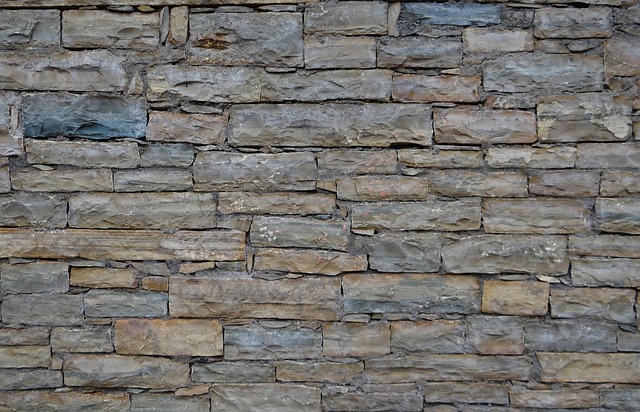
The Design Philosophy Behind Argu Studio’s Approach
Argu Studio’s architectural methodology emphasizes contextual sensitivity and material authenticity. Each decision—from massing to material choice—responds directly to the site’s climate and cultural memory. The annexe complements the coastal environment through restrained geometry and natural textures that echo the limestone terrain typical of Dalmatia. This balance between modern minimalism and vernacular Croatian architecture allows the structure to feel both innovative and familiar, avoiding nostalgia while honoring place.
Integration with the Existing Coastal Residence
The connection between old and new is handled with precision. The annexe maintains visual harmony with the original residence through proportion and alignment rather than mimicry. Transitional spaces—such as glazed corridors or shaded terraces—link volumes seamlessly, ensuring spatial continuity across generations of construction. The design respects topography by stepping gently with the slope, orienting openings toward sea views, and capturing daylight without glare.
Stone Cladding as a Defining Architectural Element
Materiality serves as both narrative and performance in this project. The use of stone cladding transforms what could be a simple extension into an architectural statement rooted in regional identity.
Material Selection and Local Influence
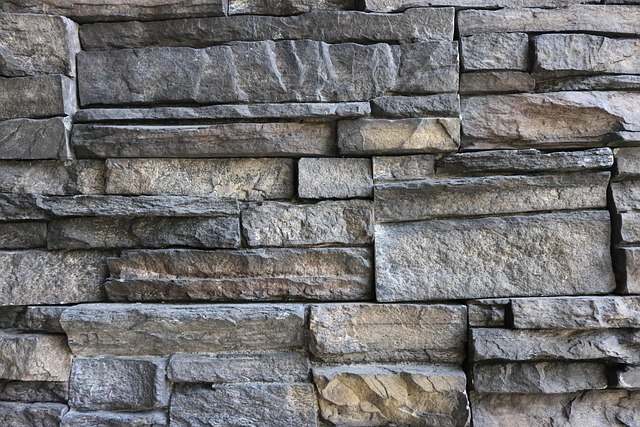
Locally sourced stone reinforces a sense of place while reducing environmental impact through short transport distances. Its subtle tonal variation mirrors the surrounding cliffs, embedding the building visually within its landscape. The cladding references traditional Croatian masonry but employs contemporary detailing for precision and longevity. In choosing stone for this stone cladding exterior house, Argu Studio prioritized durability and thermal performance—qualities essential for coastal conditions characterized by salt air, humidity, and intense sun exposure.
Construction Techniques and Detailing
The execution of stone cladding required high craftsmanship. Precision in stone cutting ensures tight junctions between panels, allowing light to play across surfaces without visual interruption. Joints are designed to accommodate structural movement caused by temperature shifts while maintaining continuity of texture. Behind each layer lies insulation that enhances energy efficiency without compromising aesthetics—a technical solution that aligns beauty with performance.
Spatial Composition and Functional Organization
Spatial organization defines how architecture mediates between daily life and environment. In this annexe, layout decisions emphasize flexibility, openness, and sensory connection to nature.
Programmatic Layout of the Annexe
The interior supports varied modes of living suited for seasonal occupancy common along Croatia’s coast. Spaces flow naturally from enclosed rooms to terraces framed by stone walls, blurring thresholds between indoors and outdoors. Circulation patterns encourage movement toward light-filled areas where sea breezes pass freely through strategically placed openings that promote cross-ventilation.
Relationship Between Interior Volumes and Exterior Expression
Interior finishes continue the tactile dialogue established outside. Smooth plastered walls contrast subtly with rougher stone textures visible through large apertures, reinforcing coherence across scales. Minimalist interiors amplify the sculptural presence of the façade; furniture placement follows structural rhythm rather than decoration. This unity between surface treatment inside and out strengthens architectural identity as one continuous gesture rather than two separate languages.
Environmental Responsiveness in Design Execution
Beyond aesthetics, environmental responsiveness anchors every design decision in this coastal project. Passive strategies reduce energy demand while enhancing comfort year-round.
Passive Design Strategies in a Coastal Climate
Stone cladding contributes significant thermal mass that stabilizes interior temperatures throughout daily fluctuations typical of maritime climates. Deep overhangs shade façades during summer peaks yet allow low winter sun to warm interiors naturally. Recessed openings prevent overheating while framing precise views of sea horizons—a balance between protection and openness rarely achieved so elegantly. Natural ventilation pathways minimize reliance on mechanical systems even during humid months.
Sustainability Through Material Longevity and Local Craftsmanship
Sustainability here is tangible rather than theoretical: using local materials reduces transportation emissions while supporting regional economies dependent on quarrying trades passed down generations. Traditional masonry techniques are reinterpreted through modern fabrication tools that guarantee accuracy without losing artisanal character. Low-maintenance surfaces resist salt corrosion, ensuring long-term resilience under marine exposure—a pragmatic response often overlooked in contemporary residential work.
Aesthetic Identity Within Contemporary Croatian Architecture
Within Croatia’s evolving architectural landscape, this project stands as an exploration of how tradition can evolve without sentimentality or excess formality.
Dialogue Between Tradition and Modernity
The annexe redefines vernacular stone architecture within a minimalist framework that favors proportion over ornamentation. Subtle articulation of joints replaces decorative motifs; texture becomes expression itself. This quiet rigor situates Argu Studio’s work within a broader European discourse on regional modernism—where local materials inform progressive design language rather than constrain it.
Contribution to Argu Studio’s Broader Architectural Narrative
This project consolidates Argu Studio’s reputation for contextually grounded modernism driven by material tactility rather than stylistic trends. It demonstrates an ongoing exploration into how form emerges from construction logic instead of imposed aesthetics. Through its careful balance of restraint, craft, and empathy for site conditions, the annexe embodies architectural continuity rooted equally in environmental sensitivity and cultural resonance.
FAQ
Q1: What makes stone cladding suitable for coastal homes?
A: Stone cladding offers high resistance to salt corrosion, provides excellent thermal mass for temperature stability, and visually integrates buildings into rocky maritime landscapes common along Croatia’s coast.
Q2: How does Argu Studio ensure harmony between old structures and new additions?
A: By aligning proportions, using transitional spaces like glazed connectors, and maintaining consistent material palettes rather than direct imitation.
Q3: Is local sourcing mainly aesthetic or sustainable?
A: Both—it reinforces cultural identity while cutting carbon emissions associated with transport; local quarries supply durable materials adapted to regional climate stressors.
Q4: How does passive design improve comfort inside the annexe?
A: Features such as recessed windows, cross-ventilation routes, thick stone walls, and roof overhangs regulate temperature naturally throughout changing seasons.
Q5: What role does craftsmanship play in Argu Studio’s projects?
A: Craftsmanship transforms technical precision into artistry; each joint or cut reflects collaboration between architect vision and skilled local masons who preserve centuries-old building knowledge through modern means.