
Can Facades For Single Storey Homes Using Krause Bricks Redefine Modern Design
Krause Bricks Add Character and Texture to Malvern Home’s Facade
In Malvern’s residential streets, single storey homes often rely on facade design to express individuality within a cohesive architectural language. Krause bricks have become a defining material in this context, offering both visual depth and structural integrity. Their handcrafted textures and tonal variations bring warmth to minimalist compositions while maintaining a grounded presence that aligns with local heritage values. As architects continue refining house plans for small homes, the integration of these bricks demonstrates how traditional materials can redefine modern design through authenticity and craftsmanship.
The Architectural Significance of Facades in Single Storey Homes
A home’s facade is more than an exterior shell; it acts as the architectural signature that communicates proportion, rhythm, and balance. For single storey dwellings, where vertical expression is limited, the facade becomes central to achieving visual strength and contextual harmony.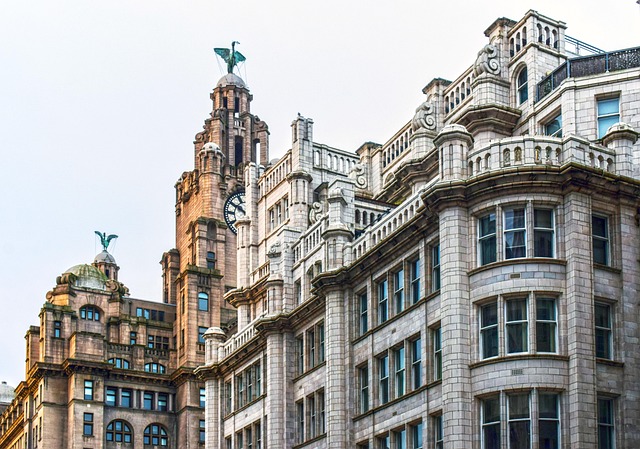
Understanding the Role of Facades in Modern Residential Architecture
Facades establish the visual identity of a home by articulating its relationship with light, texture, and scale. In contemporary design, material selection directly shapes both aesthetic appeal and structural performance. Brick, timber, or metal cladding each contributes distinct qualities that influence perception from the street. For single storey homes, careful modulation of openings and materials helps maintain proportion while avoiding monotony. The facade thus becomes an active participant in defining spatial experience rather than a mere boundary.
The Evolution of Facade Design in Contemporary Housing
Over recent decades, facade design has evolved from decorative ornamentation toward refined minimalism. This shift mirrors broader architectural movements emphasizing purity of form and environmental responsibility. Sustainable materials now play a key role; recycled brick or locally sourced clay reduces embodied energy while enhancing tactile authenticity. Architects increasingly balance form with context—designing facades that respond to climate, orientation, and neighborhood character without resorting to superficial trends.
Krause Bricks as a Defining Element in Modern Facade Design
The resurgence of brickwork in modern architecture highlights an enduring appreciation for permanence and craftsmanship. Krause bricks exemplify this revival through their unique handmade quality that bridges traditional masonry with contemporary aesthetics.
Material Composition and Aesthetic Qualities of Krause Bricks
Krause bricks are known for their distinctive textures and nuanced tones that create depth under shifting daylight conditions. Their subtle irregularities catch light differently across surfaces, producing a dynamic facade even within restrained compositions. Beyond appearance, brick’s natural thermal mass stabilizes indoor temperatures—absorbing heat during the day and releasing it at night—which enhances comfort and reduces energy demand in single storey homes.
The Visual Impact of Krause Bricks on Single Storey Home Designs
When used horizontally across low-rise elevations, Krause bricks emphasize linearity and grounded proportions typical of suburban Australian architecture. Pairing brickwork with generous glazing introduces contrast between solidity and transparency, establishing rhythm across the facade plane. The handmade nature of each unit adds authenticity; slight variations prevent visual flatness often seen in synthetic claddings.
Integrating Krause Bricks into House Plans for Small Homes
Applying Krause bricks effectively requires coordination between architectural intent and structural planning. Especially in compact dwellings, facade treatment can alter how space is perceived both internally and externally.
Design Strategies for Maximizing Space Perception through Facade Treatment
Light-toned bricks visually expand compact footprints by reflecting more daylight into adjacent interiors. Vertical or staggered bonding patterns subtly influence perceived height without altering actual dimensions—a useful technique when designing house plans for small homes on narrow sites. Strategic articulation such as recessed panels or varied joint finishes breaks down large surfaces into finer scales that reduce bulkiness.
Coordination Between Structural Design and Brick Application
Integrating brickwork early in design development ensures consistency between structure and finish. Masonry detailing influences not only appearance but also moisture control and long-term durability. Proper flashing, weep holes, and cavity insulation must be planned alongside aesthetic considerations to maintain performance over decades. Collaboration among architect, builder, and supplier remains essential for achieving precise alignment between concept drawings and built outcomes.
Contextual Relevance: Krause Bricks in Malvern’s Architectural Landscape
Malvern’s built environment values continuity between heritage charm and modern refinement. Within this setting, Krause bricks serve as a bridge—connecting historical craftsmanship with present-day minimalism.
The Relationship Between Local Heritage and Contemporary Expression
Many Malvern streets feature early 20th-century masonry homes characterized by robust detailing. Modern interpretations using Krause bricks respect this legacy through material continuity while simplifying forms for today’s lifestyles. Facades employ restrained geometry yet retain warmth through texture—a dialogue between old-world solidity and new-world clarity that reinforces neighborhood identity without imitation.
Environmental Considerations in Using Locally Sourced Bricks
Locally produced bricks minimize transportation emissions compared with imported materials, aligning with sustainable construction principles recognized by organizations such as ISO 14040 Life Cycle Assessment standards. Their longevity further enhances lifecycle efficiency; unlike synthetic panels requiring periodic replacement, quality masonry endures generations with minimal maintenance while supporting regional economies through local sourcing.
Redefining Modern Design Through Material Authenticity
Material honesty has re-emerged as a key value in architectural discourse. In an era dominated by composites and coatings, authentic textures like those found in Krause bricks reconnect buildings to human touch.
How Texture and Craftsmanship Influence Architectural Perception
Tactile surfaces engage occupants beyond visual aesthetics alone—brick invites interaction through shadow play across its uneven surface under changing sunlight angles. Handcrafted finishes communicate sincerity within minimalist frameworks where every joint line matters more than ornamentation ever could.
Future Directions for Facade Innovation Using Traditional Materials
Emerging practices combine traditional brickwork with precision-engineered components such as steel frames or glass inserts to achieve hybrid systems balancing weight reduction with expressive detail. Digital fabrication allows custom molds replicating artisanal qualities at scale while maintaining accuracy demanded by modern construction codes like AS 3700 Masonry Structures Standard. Sustainable firing technologies continue evolving too—reducing carbon intensity without sacrificing color richness or strength.
FAQ
Q1: Why are facades crucial for single storey homes?
A: They define visual identity, control proportion, and connect internal spaces to their surroundings while compensating for limited vertical expression.
Q2: What makes Krause bricks distinct from standard masonry units?
A: Each brick is handmade with subtle tonal variation that creates depth under natural light conditions uncommon in industrially produced alternatives.
Q3: How do light-colored bricks affect small home designs?
A: They reflect more daylight, making interiors feel larger while softening external massing on compact sites.
Q4: Why is local sourcing significant for environmental performance?
A: It cuts transportation emissions and supports regional industries while aligning with lifecycle sustainability benchmarks like ISO 14040 assessments.
Q5: Can traditional materials still drive innovation?
A: Yes—combining handcrafted masonry with digital fabrication methods enables precise yet expressive facades suited to contemporary architecture standards.