

Gold facade design guide for materials, performance, and detailing
What a gold facade means in contemporary architecture
A gold facade is rarely made from solid gold. In most architectural projects, the term refers to a gold-toned exterior finish applied to aluminum, stainless steel, glass, mesh, composite panels, ceramic surfaces, or selected metal alloys. The intent may be warmth, civic identity, luxury, visibility, or contrast against stone, concrete, timber, and glass.
The technical issue is that a gold facade must work as part of the building envelope, not only as a decorative skin. Color stability, glare, drainage, fire compliance, thermal movement, cleaning access, and replacement planning all need to be resolved before the finish is approved.
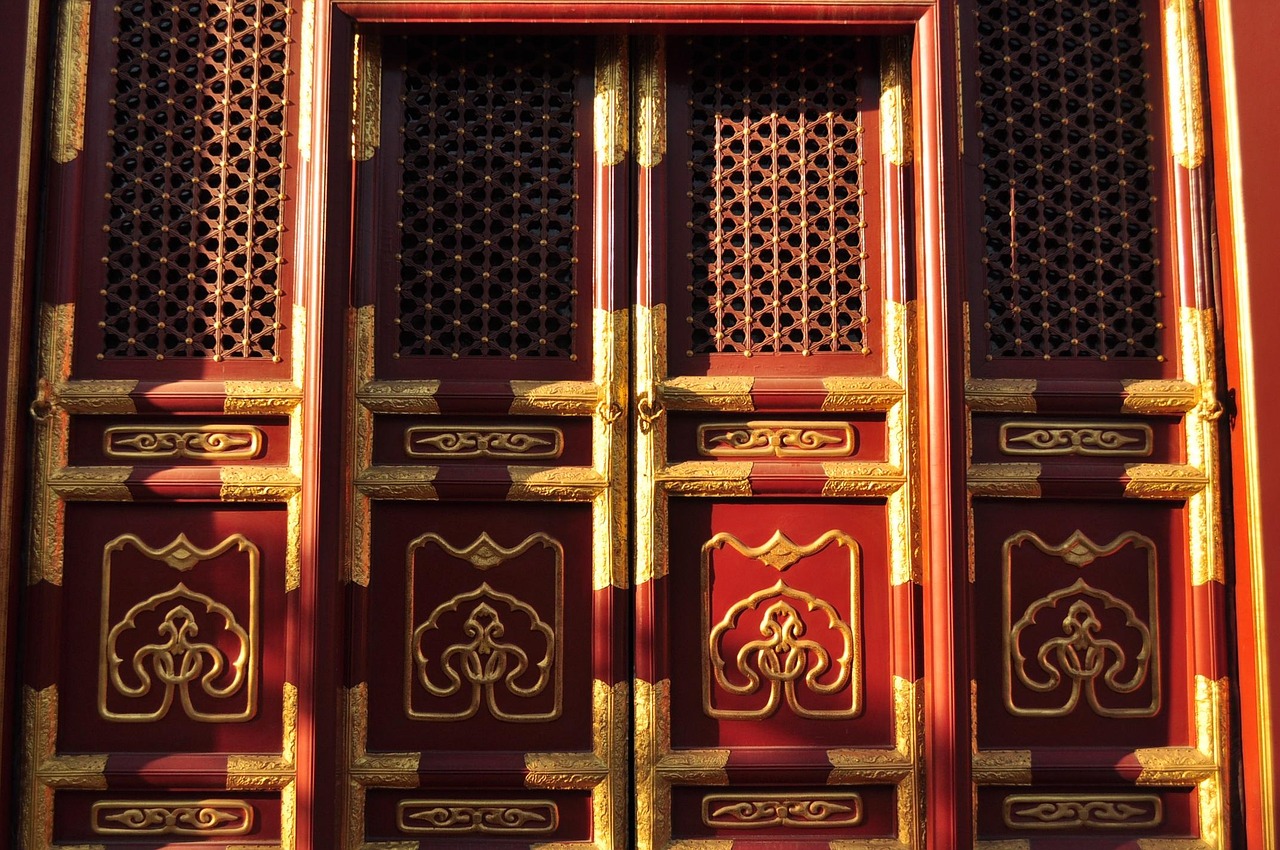
Gold carries strong visual and symbolic weight, so it usually works best when the design idea is controlled. A full gold volume can create a landmark. Smaller gold elements can frame entrances, soffits, screens, balconies, fins, or upper-level crowns. The key question is not whether gold is fashionable, but whether the finish suits the building’s scale, climate, use, budget, and maintenance capacity.
For more facade-focused design references, Archithaus also groups related topics under building facade.
Common material routes for a gold facade
The main decision is not simply whether to use gold. It is which substrate and finish system can deliver the required color, texture, durability, and cost profile. The table below compares common routes used in architectural envelopes.
| Material route | Typical appearance | Strengths | Key limitations |
|---|---|---|---|
| Gold anodized aluminum | Champagne, bronze, yellow-gold, satin metallic tones | Lightweight, corrosion-resistant, integral metallic look, suitable for panels, extrusions, fins, and screens | Color variation must be controlled by alloy, batch, surface preparation, and approved range samples |
| Coil-coated or spray-coated aluminum | More uniform gold, matte to gloss, sometimes pearlescent | Broad color control, large panel availability, easier specification through coating standards | Metallic coatings can show orientation effects, scratches, and mismatched touch-ups |
| PVD-coated stainless steel | Rich metallic gold, often reflective or brushed | Strong visual depth, good abrasion resistance when properly specified, suitable for feature areas | Higher cost, glare risk, careful detailing needed at edges, corners, and fasteners |
| Brass, bronze, or copper alloys | Natural warm metal that can darken or patinate | Authentic metal character, long architectural history, distinctive aging | Color change is part of the material behavior unless coatings are maintained |
| Gold-toned glass or fritted glass | Reflective, translucent, patterned, or back-painted effects | Useful for curtain walls, atria, screens, and luminous interiors | Thermal stress, reflectance, bird-safety strategy, and replacement matching must be evaluated |
| Perforated metal mesh or expanded metal | Layered, semi-transparent, changing with light and viewing angle | Can provide solar shading, depth, ventilation, and nighttime identity | Requires careful support design, wind-load review, and cleaning access behind the screen |
Anodized aluminum is often specified when the design calls for a metallic surface rather than an opaque paint effect. The anodized layer is part of the aluminum oxide surface, so scratches, handling marks, and fabrication marks can be more visible than on some painted systems. Exterior architectural aluminum specifications often refer to Class I anodized finishes and AAMA 611. For a gold facade, the practical lesson is to sample early and control processing carefully. Panel alloy, temper, mechanical finishing, etching, sealing, and batch control can all influence the final color.
Painted or coil-coated aluminum is often chosen when color uniformity, large production runs, or specific warranty language are priorities. High-performance organic coating specifications for architectural aluminum commonly reference AAMA 2605. Metallic gold coatings still need review under realistic light because flakes or pearlescent effects can create directional color shifts between panels.
Color, light, and glare need early testing
Gold is one of the facade colors most affected by light. A sample that looks soft indoors may appear much brighter outdoors. A facade that feels refined in diffuse light can become highly reflective at sunrise or sunset. For major exterior decisions, small hand samples are not enough.
A practical review process should include three levels of sampling. First, use finish chips to narrow the color family. Second, review larger panels made with the actual substrate, thickness, perforation, gloss level, grain direction, and coating or anodizing process. Third, build a project mockup in an orientation and daylight condition close to the final installation. If the design includes deep reveals, curved surfaces, folded panels, or mixed materials, the mockup should include those conditions rather than a flat panel alone.
Design teams should also define measurable finish criteria. Visible light reflectance, gloss level, solar reflectance, emissivity, color tolerance, and acceptable panel-to-panel variation may be more useful than the color name. Champagne, brass, bronze-gold, and warm gold can mean different things across suppliers. A clear specification should identify the approved sample, tolerance range, viewing conditions, and whether natural variation is acceptable.
Glare is both a comfort issue and an urban design issue. Highly reflective gold metal or glass can affect occupants, drivers, pedestrians, and neighboring buildings. Satin finishes, micro-perforation, textured surfaces, vertical fins, deeper reveals, and controlled panel angles can reduce unwanted reflections while retaining the warmth of the gold tone. Where the facade faces sensitive streets, public plazas, transit corridors, or adjacent residential windows, glare analysis should be considered during design rather than after installation.
Envelope detailing matters more than surface color
A gold facade still has to manage rain, air, heat, and vapor. Building enclosure references such as the Whole Building Design Guide and ASHRAE guidance treat the facade as a system of control layers, not as a finish selection alone. The outer gold layer may shed rain and provide the visible expression, but the wall assembly behind it must include appropriate water control, air control, thermal control, and vapor control for the climate and occupancy.
For many metal-panel applications, a drained and ventilated rainscreen approach is appropriate. In this strategy, the gold cladding is separated from the backup wall by a cavity, allowing incidental water to drain and air to circulate. The water-resistive barrier, flashings, cavity depth, weeps, compartmentation, and attachment system become critical parts of the design. A strong panel layout will not compensate for blocked drainage, discontinuous flashing, or thermal bridging at every support bracket.
Gold finishes can also make detailing problems more visible. Oil canning in thin metal panels, uneven subframing, inconsistent joint width, misaligned fasteners, and irregular shadow lines become more noticeable as light moves across a metallic surface. The specification should address panel flatness, stiffening, allowable deflection, joint rhythm, fastener concealment, and installation tolerances. For folded or cassette panels, the edge condition needs particular attention because corners can reveal the substrate, coating build-up, or fabrication marks.
Thermal movement should not be underestimated. Aluminum, stainless steel, glass, and copper alloys expand and contract differently. Darker gold and bronze finishes may heat up more than lighter champagne tones. Long panels, vertical fins, and continuous trim pieces need slotted holes, slip joints, gaskets, or other movement strategies that avoid buckling and noise while maintaining alignment.
Fire, code, and sustainability checks
Gold color does not determine code compliance. The substrate, insulation, air barrier, sheathing, cavity, attachment components, and interior backup wall all affect the assembly. In the United States, NFPA 285 is often relevant when combustible components are used in certain exterior wall assemblies. A common mistake is to treat a cladding panel as compliant in isolation. NFPA 285 is an assembly test, so substitutions in insulation, cavity depth, panel type, air barrier, or attachment method can affect whether the tested configuration still applies. See also: Building Styles.
Project teams should verify local code requirements with the authority having jurisdiction and the facade consultant, especially for high-rise buildings, mixed-use projects, schools, healthcare buildings, and projects using metal composite material, foam insulation, or combustible weather barriers. Documentation should be gathered early, including tested assembly reports, engineering judgments where permitted, product data, coating information, and installation instructions.
Sustainability decisions should also be specific. Aluminum is widely recycled, but primary aluminum production is energy intensive. Stainless steel, copper alloys, coatings, and glass each carry different impacts. Rather than assuming one material is automatically sustainable, design teams should ask for environmental product declarations where available, recycled-content data, coating and pretreatment information, service-life expectations, and end-of-life disassembly options.
Durability is part of sustainability. A gold facade that requires premature replacement because the finish was poorly chosen has a larger environmental impact than one specified with realistic weathering, maintenance, and repair assumptions. Designers should also consider whether individual panels can be removed and replaced without dismantling large areas of the elevation.
Where a gold facade works well
Gold is most successful when it has a clear architectural role. On civic and cultural buildings, it can signal public importance without relying on heavy ornament. On hospitality and retail projects, it can create warmth and visibility. On residential towers, it can add depth to balconies, crowns, and sun-control elements. On adaptive reuse projects, gold-toned insertions can distinguish new work from existing masonry, concrete, or stone.
The strongest applications usually use restraint. A gold soffit at a main entrance can be more memorable than an entire reflective wall. A perforated gold screen can animate a parking structure while improving ventilation and shade. Gold fins can soften a glass curtain wall and reduce solar gain. Warm metallic spandrels can break down the scale of a large commercial facade. In each case, the finish does a job beyond decoration.
Context matters. Gold may look refined against limestone, dark brick, blackened steel, pale concrete, or timber. It may look harsh when paired with too many other strong colors or highly reflective surfaces. Historic districts, design review boards, and campus standards may require a subdued champagne or bronze tone rather than a bright yellow-gold surface. The surrounding skyline, street width, vegetation, and night lighting should all influence the final choice.
Specification checklist for a durable gold facade
A clear specification reduces the gap between rendering and built work. The following checklist can help architects, owners, and facade teams turn the design intent into a buildable system.
- Define the gold tone: Identify approved samples, acceptable variation, gloss, texture, viewing distance, and lighting conditions.
- Confirm the substrate: Record alloy, temper, panel thickness, glass build-up, mesh type, or stainless steel grade as applicable.
- Specify the finish standard: Use relevant standards such as AAMA 611 for anodized architectural aluminum or AAMA 2605 for high-performance organic coatings where appropriate.
- Require project mockups: Include corners, joints, fasteners, penetrations, curved areas, and adjacent materials.
- Coordinate the wall assembly: Verify WRB continuity, air barrier transitions, insulation, thermal breaks, drainage, and ventilation.
- Check fire compliance: Confirm whether the full exterior wall assembly requires NFPA 285 or other jurisdiction-specific testing and documentation.
- Control glare: Review reflectance, orientation, panel angle, surface texture, and impact on neighboring properties.
- Plan maintenance: Define cleaning methods, access, inspection intervals, spare panels, and repair limitations.
- Coordinate lighting: Test how facade lighting changes the gold tone at night and whether it creates excessive brightness.
- Document replacement strategy: Ensure future panels can be matched or that natural variation is acceptable.
The most common failures are predictable: selecting a finish from a small sample, ignoring color variation, underestimating glare, treating fire compliance as a product attribute, omitting movement joints, or leaving cleaning access unresolved. Addressing these issues early is less costly than correcting them after the facade is installed.
Frequently asked questions
Is a gold facade made with real gold?
Usually no. Most gold facades use gold-toned anodized aluminum, coated aluminum, PVD-coated stainless steel, glass, mesh, or metal alloys. Real gold leaf may appear on domes, restoration work, religious architecture, or small ornamental details, but it is uncommon for large contemporary exterior wall areas because of cost, durability, and maintenance considerations.
Does a gold facade make a building hotter?
Not automatically. Heat gain depends on solar reflectance, emissivity, gloss, insulation, air cavity design, shading, glazing ratio, and climate. A pale satin champagne finish may behave differently from a dark bronze-gold or mirror-like metal surface. Energy modeling and finish data are more reliable than judging performance by color name alone.
Is anodized gold aluminum better than painted gold aluminum?
Neither is universally better. Anodized aluminum offers an integral metallic surface and strong architectural character, but color variation and fabrication marks require careful control. Painted or coil-coated aluminum can provide broader color matching and more predictable uniformity, but metallic coatings still need orientation control and realistic mockups. The better choice depends on design intent, exposure, budget, and maintenance expectations.
How can designers reduce glare from a gold facade?
They can choose lower-gloss finishes, use textured or brushed surfaces, introduce perforation, angle panels away from sensitive views, add fins or reveals, and test the facade with solar and visual analysis. Glare should be studied early, while orientation, massing, and panel geometry can still be adjusted.
What is the most important detail for long-term performance?
No single detail is enough. The key principle is to treat the gold surface as part of a complete enclosure. Drainage, air-barrier continuity, thermal breaks, movement accommodation, fire-tested assemblies, and maintainable access all matter. A gold facade succeeds when the visual finish and the technical wall system are designed together.