
How To Plan A Successful Facade Renovation
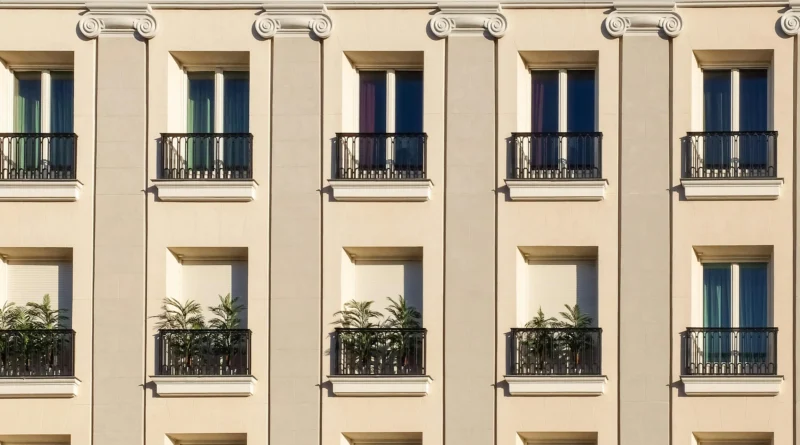
A facade renovation doesn’t only have to look different; it can also be more durable, more energy-efficient and create even more brand awareness. This all starts with planning. Careful consideration of the structure, choice of the correct materials and the method of implementation in the correct order is crucial. Those who work with a good plan achieve more and save on restoration costs in the long run.
Why Is Facade Renovation Planning Critical?
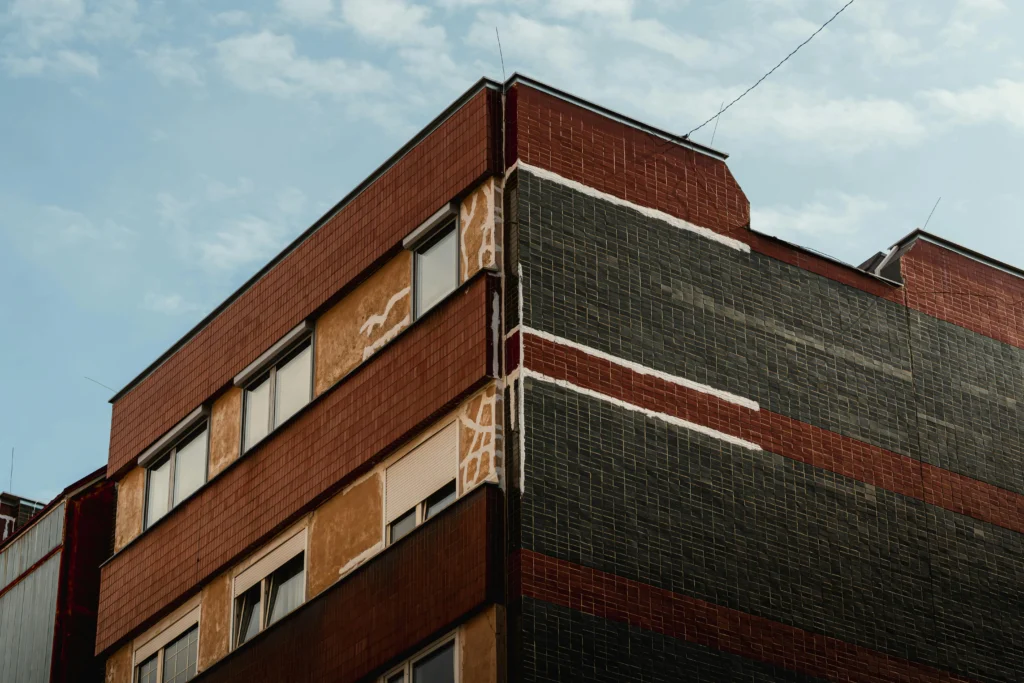
The planning for a facade project is crucial for its success. Without a good plan problems can arise such as hidden damage, additional costs and violations of rules and regulations. In practice the planning in the initial phase has a great impact on the rest of the process.
Structural Assessment and Diagnostic Analysis
Engineers start by a site inspection of a building to look for for example cracks, rust, leaks of water and other types of weaknesses in structures. To detect more subsurface problems for example hidden steel in walls made of concrete they use devices such as infrared cameras or send sound waves and measure the echo. Often it is not visible from the outside if a structure has weakened. Only a detailed site inspection will reveal such problems in time. For example the rusty steel rebars in a structure of concrete can go rotten in the meantime the surface is still in good condition.
Budget Definition and Cost Control Strategy
When working with a budget, make sure that all costs are mentioned and calculated. These include materials, workers, scaffolding, building permits, disposal of building waste and some contingency money to deal with any problems that might occur. Most companies reserve about 10 % of the total budget for possible repairs that have not been discovered yet during the construction work. It is wise to agree on a number of the budget before starting the work to prevent disputes afterwards. With BIM software, the costs of the materials and other things can even be calculated before even placing a bid for the work.
Regulatory Compliance and Permit Acquisition
Quite a few of the façade renewals are subject to approval by the respective offices of the cities. Usually these rules are designed to ensure that new constructions are in line with current building codes and to protect old buildings from being ruined by thoughtless new paint jobs. Early contact with the planning offices is thus highly recommended, since in the worst case, unnecessary delays and costly changes to the design can ensue. In historic areas, the city authorities can even demand that the new paint job consist of the exact same colors using the very same materials that were used when the building was first built.
What Are the Key Design Considerations for Modern Facade Renovation?
Design choices can affect the lifespan of a building’s facade as well as the building’s energy consumption. Good design is a combination of the latest construction tools and the building’s surroundings.
Material Selection for Longevity
The material affects the frequency of maintenance and the flow of heat through the wall. Aluminum panels look very clean and modern but have to be repaired in the proper way, otherwise water can get behind the panels. Stone panels have a very classic look and need heavy brackets to avoid detaching after some years. Now many designers opt for ventilated walls with metal framing as this setup allows moisture to escape and keeps the wall dry.
Energy Efficiency and Thermal Performance
These novel façade systems can reduce energy bills. The key elements are high levels of insulation, triple glazing and outer sun shades that keep warmth in during winter and out during summer. Some examples demonstrate up to 30% less consumption of heating and cooling. Some systems integrate solar power into the glass façades without losing the aesthetics.
Aesthetic Integration With Urban Context
Great design fits the street it is on. When we design buildings we look at what the adjacent buildings are like in terms of height and color. We often also study out the window and façade pattern of the surrounding buildings on the block. Sometimes it’s just the slight change in finish of surface that can make a building seem fresh. But overall it’s got to fit in the street and complement the neighborhood.
How Should Project Scheduling Be Structured?
Good timing in opening up a area for workers to complete their task safely, within budget and minimizing disruption whilst ensuring that all tasks are checked off a schedule from the day the scaffold is completed for the first tradesman to complete final checks for last tradesman.
Phased Execution Plan
Most large jobs are done in sections or stages. This allows one side of the building to remain open while the team finishes the other sections. Most roof sections go through several stages of work. removal of the old material, installation of the waterproofing, installation of new roof panels and a final quality control inspection.
Weather Contingency Planning
The weather can be very unpredictable and can cause work to be stopped at short notice. Rain or cold weather can easily ruin freshly painted work or allow adhesive to dry too quickly. In order to minimize potential rework caused by weather conditions, we plan the larger outside jobs for months when the weather is most consistent. This will enable the team to complete the job to a high standard without any potential damage from wind, rain etc.
Coordination With Building Occupants
When people still work or live in the building, the team must share the schedule. Notices and simple online updates tell tenants when noise will be loud or when doors will be blocked. Good updates reduce complaints and keep daily life running as smooth as possible.
Which Sustainability Factors Influence Facade Renovation Today?
More and more cities are turning themselves into low carbon cities, changing choices during the façade construction phase.
Use of Recyclable Materials
Recycling aluminum, glass and steel is possible. By selecting manufacturers that can take back parts during refurbishing, the waste can be kept to a minimum even during subsequent changes to the building facade many years later.
Energy-Saving Technologies Integration
Smart window technologies like smart shades and dynamic glass can help make rooms more comfortable. Automated shading systems that are controlled by sensors can also automatically lower blinds when it is too bright outside. Many building types benefit from lower cooling costs in summer with such technologies.
Life-Cycle Assessment (LCA) Approach
When designing products, teams now fully account for the environmental impact of the materials used. This includes the amount of energy required to produce parts, the expected life of those parts, and the recyclability of them. The study finds that even if the initial price of the stronger part is higher, it is worth the investment in the long run.
How Do Safety Measures Shape Facade Renovation Projects?
A Guide to Construction Safety: Rules for Each Stage of Construction, from Scaffolding to Worker Training.
Risk Identification and Mitigation Plans
Before the work can start, the team will map possible dangers of the work. There is a risk of falling objects, but also of old lead paint. Protecting yourself with a net and removal with extreme care can mitigate these risks. A trained person safety follows every phase of the work.
Worker Training and Certification Requirements
People working from hanging platforms must hold a valid safety card. On a daily basis a number of very short meetings are held to discuss the day’s risks, e.g. wind, height, etc. That these risks are different every day.
Public Protection Strategies
Passers-by need to be protected from falling objects. Covered walkways and hoardings together with appropriate lighting will protect both workers and members of public. At night, sufficient lighting will need to be provided to enable both workers and members of public to see clearly.
What Role Does Technology Play in Modern Facade Projects?
Digital tools are increasingly implemented by building teams, in particular during facade construction phases, by taking care of the numerous details of work thanks to more reliable data.
Building Information Modeling (BIM) Coordination
BIM manages your drawings and the structure data as well as the location of all pipes in one file. Before cutting any metal, the software recognizes potential collisions with existing pipes while placing a new bracket. This saves a lot of time and avoid having to fix things on site.
Drone Surveys for Inspection Accuracy
Drones are flown around the upper levels of a building to capture images of cracks or wet areas. These areas would require full scaffolding to access in order to view. In addition, some drones are equipped with heat cameras. These cameras are able to detect if there is insulation missing from behind the walls.
Smart Monitoring Systems Post-Renovation
After the job is completed small sensors can remain in the wall. These sensors can continuously measure the amount of heat and moisture behind the installed panels. Any changes in the numbers will send an alert to the building team. In time these small changes can develop into serious problems, but with the building team informed in time, these can be solved in time.
What Lessons Can Be Learned From Industry Case Studies?
This post takes a look at how some real projects have gone, and lessons can be learned from the ‘implementation’ phase of all the planning that has gone on beforehand. What became clear is that choosing a supplier is key. You choose the best solar inverter and battery for a home system, and when it comes to facade cladding, you choose the best supplier. Can the supplier provide good test documents and an adequate warranty, and does the supplier have local offices to handle any immediate questions when needed. Probably only the best suppliers can fulfill these simple requirements.
Another lesson is about how parts fit together. When anchors, insulation, and sealants all come from teams that work under the same test rules, such as ETAG 034, the chance of leaks or loose pieces drops. The same idea shows up when energy system parts are made to work as one unit instead of separate pieces bought from different shops.
Additional points after the job has been completed are also important. A local maker who has a strong local team, can be on site within hours of a problem occurring. That visit could prevent a small repair turning into a large bill many years later.
Certificates too are very important. In various countries developers demand more than one approved maker to fulfill local fire-resistance requirements. Certificates that are issued for a certain façade solution and that cover both EN 13501 fire-resistance classification tests as well as ASTM E119 tests are very useful, since in this way in several cities one and the same solution can immediately be approved for use.
Below examples demonstrate how importance of supplier checks, correct fitting of parts and after sales service are transferred into Façade work from other disciplines. The specifics of every job will differ, but the core message is constant.
FAQ
Q1: What is the typical time frame for a medium-scale facade renovation and how long would it take for average-sized building? A: 6-12 months for a facade renovation. Structural repair can extend this timeframe beyond the initial timeframe for a change out of panels.
Q2: How much is facade renovation per square meter? A: The price for facade renovation per square meter is between $ 150 and $ 600. Due to their high quality and due to the difficult handling stone façades are even more expensive than usual, whereas façades with composite panels on low rise buildings are cheaper than usual.
Q3: Can energy savings from retrofitting buildings be large enough to offset the costs of the work? A: Yes. Better temperature control and improved heating and cooling efficiency can save up to 30% in energy costs. For office buildings, that save can pay for the work in 8 years.
Q4: Do heritage buildings require special facade techniques? A: Yes. In order to keep the old look during restoration, special facade techniques are often applied using lime-based paints and old mortar, which are often scrutinized by the heritage offices of cities prior to approval.
Q5. What maintenance schedule would you propose to follow a finished area. A: Check the sealant lines and the drains on an annual basis. On very busy city locations a full cleaning every two years is recommended in order to remove dirt and keep the surface looking good.