
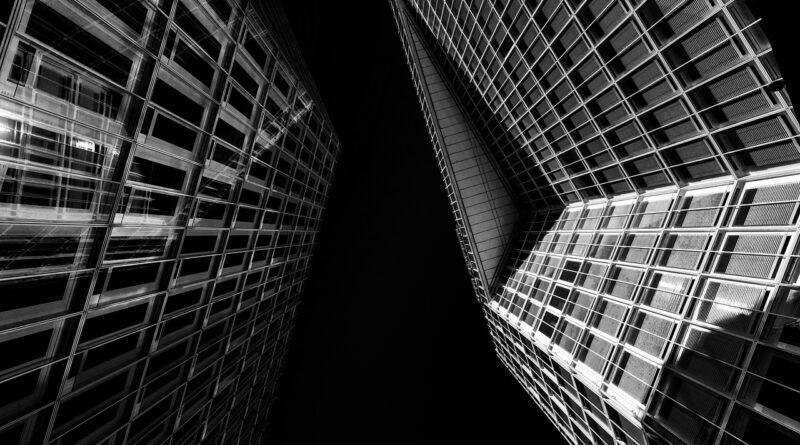
Is a Simple Building Facade the Smartest Choice for Modern Projects?
A simple building facade is not just a flat wall with windows cut into it. When it is planned properly, it is an exterior wall system that deals with rain, heat, daylight, safety, cost, and the way people see the building from the street.
For commercial buildings, offices, retail boxes, apartments, schools, and mixed-use projects, a simple layout can be a practical choice. It can cut down awkward details, make coordination faster, and leave fewer things to fix years later. The point is not to remove design. The point is to use fewer design moves and make each one useful.
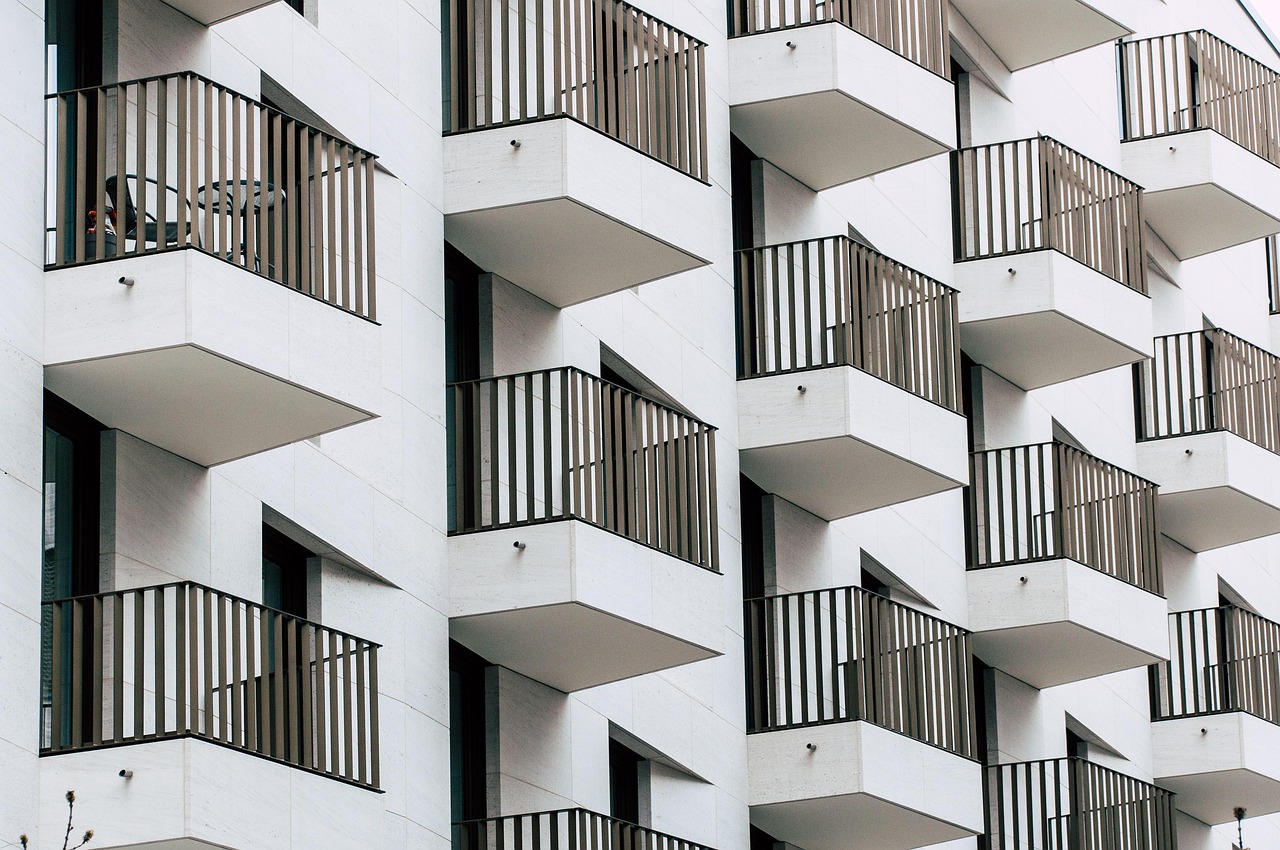
Why Does a Simple Building Facade Work So Well?
A simple facade works because most people read a building in seconds. Drivers, tenants, visitors, inspectors, and neighbors usually notice the size, rhythm, entrance, shadows, and material finish before they see small details. If those parts are handled well, the building can look steady and businesslike without a loud exterior.
A Calm Street Face
A clear street face helps people find the entrance, understand the business, and feel that the building is well managed. Aligned windows, regular panel spacing, and a clear base-middle-top layout often do more than heavy decoration. This sounds simple, but it matters on a busy commercial street. Too many colors, angles, or random trims can make a building look cheaper instead of better.
Fewer Parts to Coordinate
Each extra trim, reveal, curve, and material change creates another joint. Each joint needs shop drawings, waterproofing, tolerance checks, and site attention. A simpler facade often means fewer custom pieces and fewer weak spots for mistakes. It does not automatically mean a lower price, but it gives the owner, architect, contractor, and supplier more control.
A Better Base for Brand Identity
Simple does not mean plain or forgettable. A hotel, clinic, showroom, or warehouse office can still show its identity with one accent band, a deeper entry canopy, better lighting, or a sign zone that is sized properly. At the same time, the delivery truck still needs a clear dock door, not a feature wall that gets in the way. Good facade design has to respect how the building is used every day.
What Should You Check Before Choosing Materials?
Material selection should start with climate, code, labor, and maintenance, not only with a product photo. The Whole Building Design Guide from the National Institute of Building Sciences describes the building enclosure as a system that manages water, air, heat, vapor, daylight, fire safety, and indoor comfort. That is a useful checklist before anyone gets fixed on one finish.
Weather and Moisture Control
Rain is usually the first real test for the wall. WBDG moisture guidance notes that water can enter through gravity, capillary action, surface tension, air pressure differences, and wind loads. For a simple building facade, a drained and ventilated cavity, continuous air barrier, flashed openings, and sloped metal caps can matter more than the cladding color. If these items are missed, even an expensive finish can fail early.
Fire and Code Limits
Facade materials need a fire review before the design goes too far. The 2024 International Building Code includes requirements for exterior walls, combustible wall coverings, flame spread, smoke development, and tested assemblies in certain cases. If the project uses metal composite panels, high-pressure laminate, foam insulation, or other layered systems, ask the code consultant about approved assemblies early. It is much easier to adjust the wall build-up before procurement starts.
Life Cycle and Local Skill
A material is only useful if the local crew can install it well and the owner can maintain it. In one area, brick veneer may be common and priced well. In another area, fiber cement panels may have better labor support and shorter lead times. Public cost data for facade systems changes too much by city, height, access, and wall build-up, so there is no safe universal cost per square foot to quote. Ask for priced alternates instead, then compare cost, lead time, and replacement needs side by side.
How Can a Simple Building Facade Improve Energy Use?
The facade affects energy because it is the layer between outdoor weather and indoor space. UNEP and GlobalABC reported in the 2024/2025 Global Status Report for Buildings and Construction that residential and non-residential buildings accounted for 32% of global energy demand and 34% of CO2 emissions in 2023. A facade choice will not fix that by itself, but it can reduce loads that should not be there in the first place.
Wall Insulation and Thermal Bridges
A plain wall can perform well if the insulation layer is continuous. Pay attention to slab edges, shelf angles, canopies, balcony connections, and metal girts. These points can create thermal bridges and reduce the real value of a well-insulated wall. ASHRAE Standard 90.1 has long been a main reference for commercial building energy codes and includes envelope criteria for opaque walls and fenestration.
Glass Ratio and Solar Heat
More glass does not always make a better building. Lawrence Berkeley National Laboratory has reported that windows in the United States cause buildings to use about 2 quads of heating energy each year, roughly one-third of building space heating energy. That is a clear reminder to check glass size, U-factor, solar heat gain, visible light, and shading together. If the window ratio is set only for appearance, the owner may pay for it through comfort problems and energy use.
Shading, Color, and Heat Islands
Exterior shading can do useful work without making the facade complicated. Overhangs, fins, recessed windows, and lighter surfaces can reduce strong sun while keeping the elevation simple. The U.S. EPA heat island guidance published in 2025 notes that U.S. urban areas can be about 1 to 7°F warmer during the day and 2 to 5°F warmer at night than nearby outlying areas. Facade color and roof color can make a bigger difference than many clients expect.
Which Simple Facade Styles Fit Commercial Buildings?
The right style depends on the building type, budget, span, and local planning rules. Even so, several simple facade types show up often because they are easy to adapt. They can be kept very plain or made more refined with better details.
Metal Panel Grids
Metal panels work well for offices, logistics buildings, retail spaces, and industrial parks. A simple grid with steady modules can cover large wall areas in a clean way. Use solid-looking corners, neat parapets, and careful joint alignment around windows. Thin metal trim that ripples in sunlight can make a facade look worn quickly, so mockups and sample checks are worth doing.
Brick and Thin Masonry
Brick gives a simple facade texture, weight, and a long service life. Running bond, stacked bond, soldier courses, and recessed panels can add depth without bringing in too many materials. Thin masonry can help when wall weight is limited, but openings and corners still need careful detailing. Fake depth is easy to see from close range, especially at returns and edges. See also: Building Styles.
Fiber Cement and Plaster Finishes
Fiber cement panels, cement board siding, and plaster systems can suit apartments, clinics, schools, and smaller commercial buildings. Keep panel sizes practical and line up joints with windows where possible. For plaster, avoid very large flat areas with no control joints, especially in hot or wet climates. A simple wall still moves, cracks, and takes rain, so the joint layout cannot be treated as an afterthought.
How Do You Keep the Design Simple Without Looking Cheap?
The gap between simple and cheap is usually in the details. A cheap facade often tries to cover weak planning with extra colors. A good simple facade gets the main conditions right first: massing, openings, joints, depth, and a few areas that deserve attention.
Strong Proportions Before Decoration
Start with the window rhythm, bay spacing, floor line, and entry volume. If these parts feel wrong, a cladding pattern will not save the building. A narrow storefront may need more vertical emphasis. A long warehouse wall may need wider bays, trees, or shaded recesses to reduce its length. Proportion is not design jargon; it is what people notice before they think about materials.
Clean Joints and Realistic Tolerances
Simple facades make bad alignment easy to see. Panel joints should meet corners cleanly, and window heads should line up unless there is a clear reason not to. Leave enough tolerance for structure, sheathing, insulation, and cladding. On site, a quarter inch can become a visible problem if the drawings assume everything will be perfect.
Focused Accent Areas
Use accents where people actually meet the building: entries, lobbies, retail bays, stair towers, balconies, or signage zones. One warmer material at the entrance can work harder than five random colors spread across the wall. Night lighting also matters. A clean facade with good lighting often looks better after sunset than a busy facade with no clear focus.
What Should Be on Your Facade Brief?
A facade brief should be short enough for the owner, architect, engineer, contractor, and supplier to use. It should explain what the wall must do, how it should look, and what problems must be avoided. Words like modern or premium are too loose unless they are backed up by details and performance targets.
Performance Targets in Plain Words
List the basic targets: climate zone, insulation approach, air barrier location, water control strategy, window performance, fire rating needs, acoustic goals, and cleaning access. If the building needs to meet a local energy code based on ASHRAE 90.1 or another standard, state that before design development moves too far. This helps the team price the right wall instead of redesigning it late. It also gives suppliers a clearer basis for their proposals.
Drawings That Show Real Edges
Ask for details at parapets, grade, window heads, window sills, corners, expansion joints, canopy connections, penetrations, and material transitions. These edge conditions decide whether a simple facade feels clean or clumsy. A good elevation is helpful, but water does not care about elevations. It finds the weak detail, so the section and flashing details need the same attention.
Budget, Schedule, and Maintenance Notes
Include finish samples, expected lead times, cleaning method, warranty limits, and replacement rules. If a panel is hit by a forklift, confirm whether one piece can be replaced without opening half the wall. If the facade needs yearly sealant checks, write that into the plan. Simple design should make ownership easier, not only make the first project photos look neat.
FAQ
Q1: Is a simple building facade always cheaper? A: Not always. It can reduce custom details and coordination time, but price still depends on material, labor, structure, access, fire testing, and local market conditions.
Q2: What is the best material for a simple commercial facade? A: There is no single best material. Metal panels, brick, fiber cement, plaster, and glass can all work if the climate, code path, detailing, and maintenance plan fit the project.
Q3: How much glass should a simple facade have? A: Use enough glass for daylight, views, storefront needs, and building identity, but avoid glass just for appearance. Check U-factor, solar heat gain, glare, and shading before fixing the window ratio.
Q4: Can a simple facade still look high-end? A: Yes. A higher-end look often comes from proportion, shadow depth, clean joints, durable finishes, and careful lighting, not from using many materials. Simplicity can look refined when the details are controlled.
Q5: What should you review first with a facade supplier? A: Review wall build-up, drainage, fire compliance, panel sizes, corner details, lead times, color samples, warranties, and replacement rules before final pricing or procurement.