
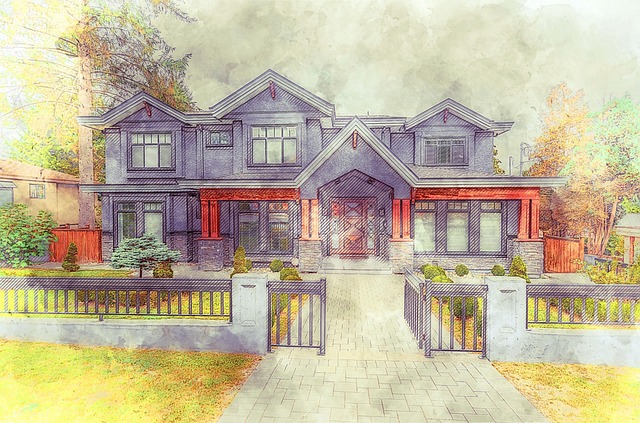
Are 1 Storey House Plans the Ideal Choice for a Four Bedroom 40 Feet Design
House Plan of the Week: Four Bedrooms, One Story, 40-Feet Wide
A four-bedroom single-storey house with a 40-foot width strikes a rare balance between practicality and architectural grace. This configuration offers efficient use of land, accessible circulation, and aesthetic clarity. Its compact footprint supports family living without sacrificing comfort or privacy. The layout typically integrates open-plan zones, energy-efficient orientation, and material harmony. For professionals in residential design, this model represents a refined exercise in proportion, daylight control, and long-term adaptability.
Understanding the Architectural Appeal of 1 Storey House Plans
Single-level homes have evolved into a preferred format for families seeking comfort and simplicity. Their appeal lies not only in ease of movement but also in how spatial logic enhances daily life.
The Functional Logic Behind Single-Level Living
A one-storey layout eliminates vertical barriers. Moving from kitchen to bedroom or garden happens seamlessly, an advantage for all age groups. Without stairs, the plan promotes safety for children and seniors alike. This horizontal arrangement also improves space efficiency since circulation corridors are minimized. Open-plan interiors further amplify natural light penetration and support flexible furniture arrangements—ideal for evolving household needs.
Spatial Efficiency in a 40-Foot-Wide Design
Within a 40-foot-wide envelope, proportional planning becomes critical. Four bedrooms can fit comfortably when the designer balances private and shared areas through strategic zoning. The master suite often anchors one side of the plan while secondary rooms line the opposite wing. Circulation paths remain short yet distinct. Externally, façade elements such as windows and cladding panels must align rhythmically to maintain curb appeal within this moderate width.
Design Strategies for a Four-Bedroom Single-Storey Layout
The effectiveness of any four-bedroom 1 storey house plan depends on how well zones are organized and how privacy is maintained among occupants.
Optimizing Zoning and Privacy
Dividing public spaces like living rooms from private sleeping quarters enhances comfort. Placing the master suite far from entertainment areas minimizes sound transfer. Transitional elements—hallways, courtyards, or even pocket gardens—help soften visual boundaries while preserving openness.
Balancing Natural Light and Ventilation
Natural ventilation defines livability in single-level homes. Aligning windows across opposing walls allows cross-breezes to move freely through interiors. Skylights or clerestory strips can brighten central corridors where side openings are limited. Orienting main living spaces toward favorable sunlight directions reduces dependence on artificial lighting and mechanical cooling systems.
Structural Considerations in a 1 Storey, 40-Foot-Wide Home
Structure underpins both durability and design flexibility in single-storey architecture. A balanced approach to load management ensures longevity while supporting aesthetic ambitions.
Load Distribution and Foundation Planning
Even load distribution across the foundation prevents uneven settlement over time. On stable soil conditions, slab-on-grade foundations provide cost-effective stability for one-level homes. Where spans exceed standard widths, reinforced concrete beams allow wider open areas without intrusive columns that disrupt interior flow.
Roof Design and Drainage Integration
Roof geometry contributes significantly to both style and function. Low-slope or hip roofs complement modern lines while resisting wind uplift effectively. Properly placed gutters channel rainwater away from foundations, reducing moisture risks. Extended roof overhangs shade windows naturally during summer months yet admit low winter sun—a passive thermal strategy valued by sustainable designers.
Interior Planning Principles for a Four-Bedroom Configuration
Interior organization determines how comfortably residents interact with their environment daily.
Space Allocation and Circulation Flow
Centralized living zones create direct connections between kitchen, dining, and lounge spaces while keeping bedrooms slightly detached for quietness. Each bedroom’s scale should feel proportional to communal areas to maintain spatial balance. Clear circulation paths prevent congestion—especially important when multiple occupants share morning routines.
Integrating Storage and Utility Spaces Seamlessly
Efficient storage preserves visual calm within open layouts. Built-in cabinetry along walls saves floor space while concealing clutter elegantly. Dedicated laundry corners or utility nooks streamline chores without intruding on social zones. Concealed shelving behind panel doors maintains clean lines consistent with contemporary aesthetics.
Enhancing Aesthetic Coherence Through Material Selection
Material choice defines tactile quality as much as appearance; it connects interior mood with exterior identity.
Exterior Finishes and Façade Treatment
Combining varied textures such as stone veneer with smooth render adds depth to façades without excessive ornamentation. Neutral tones highlight structural geometry rather than distract from it, allowing landscape features like greenery or paving patterns to stand out subtly. Window dimensions should correspond rhythmically across elevations to sustain architectural order.
Interior Material Coordination for Spatial Continuity
Consistent flooring—from entryway through living zones—visually enlarges compact footprints typical of 40-foot designs. Juxtaposing matte-painted walls against polished surfaces like quartz counters introduces contrast that feels refined yet approachable. Increasingly, designers specify renewable materials like bamboo flooring or recycled composites to align with sustainable construction ethics recognized by global standards such as ISO 14001 environmental management systems.
Energy Efficiency and Sustainability in Single-Level Designs
Sustainability has become integral rather than optional in modern residential planning; single-level configurations naturally lend themselves to passive strategies due to their compact form.
Passive Design Techniques for Climate Responsiveness
Orienting major openings toward prevailing breezes limits reliance on air-conditioning units—a principle supported by IEA studies on building energy performance showing orientation can cut cooling demand by up to 30%. Shading devices including pergolas or adjustable louvers mitigate glare during peak sunlight hours while preserving outdoor connection. Materials with high thermal mass stabilize indoor temperature swings throughout day-night cycles.
Integration of Modern Energy Systems
Flat or gently sloped roofs simplify installation of photovoltaic arrays that feed household power needs efficiently under IEC solar standards (IEC 61215). Smart home controllers fine-tune lighting schedules based on occupancy sensors reducing unnecessary consumption at night. Rainwater collection integrated into roof drainage supports irrigation systems—a practical sustainability measure often overlooked but valuable over decades of occupancy.
Evaluating Long-Term Value of 1 Storey Four-Bedroom Homes
Beyond immediate livability lies economic resilience; single-level homes retain value through adaptability across generations.
Adaptability Across Life Stages
Aging homeowners benefit from step-free layouts requiring minimal retrofitting later on—wider corridors already accommodate mobility aids if needed. Spare bedrooms can transform into offices or studios responding easily to lifestyle shifts such as remote work trends documented by major real estate surveys post-2020s.
Market Appeal and Investment Perspective
Accessibility broadens buyer demographics from young families to retirees increasing resale potential even in competitive markets. Energy-efficient upgrades lower operational costs improving long-term return on investment compared with less efficient multi-storey properties built under older codes lacking insulation benchmarks defined by organizations like ASHRAE.
FAQ
Q1: What makes a 1 storey house plan ideal for families?
A: It simplifies movement between spaces while maintaining safety for all ages due to the absence of stairs.
Q2: How does a 40-foot width influence design flexibility?
A: It provides enough span for four bedrooms yet remains compact enough for efficient land use on suburban lots.
Q3: Are single-storey homes more energy-efficient than multi-storey ones?
A: Typically yes; they lose less conditioned air vertically and integrate passive cooling methods more easily through roof design.
Q4: What structural system suits flat sites best?
A: Slab-on-grade foundations work effectively when soil stability is confirmed through geotechnical evaluation standards like ASTM D1586 testing procedures.
Q5: Why do architects favor open-plan layouts in these homes?
A: Open plans enhance daylight reach, improve ventilation flow, and create adaptable living environments suitable for evolving family needs.