
Can Coastal House Plans Redefine Modern Architecture Through Natural Design
A Group of Friends Built This California Coastal Home, Rooted in Nature and Modern Design
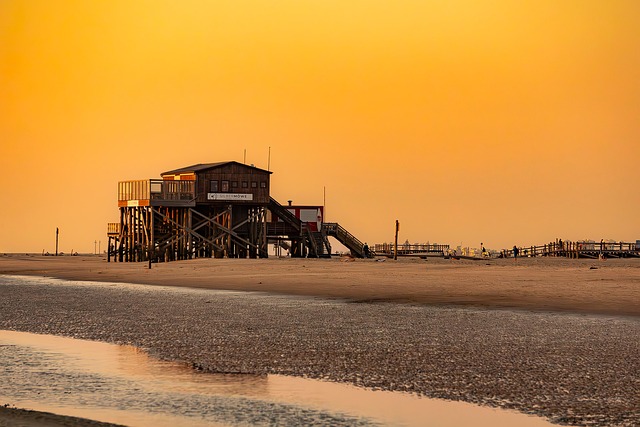
This California coastal home reflects a seamless blend of friendship, environmental awareness, and modern design. The collaboration among friends and architects produced a residence that dissolves boundaries between architecture and landscape. It captures the essence of coastal house plans—light-filled interiors, natural materials, and climate-responsive form—while advancing the dialogue between sustainability and aesthetics. The project demonstrates how small cottage house plans can achieve spatial generosity through intelligent design rather than scale.
The Intersection of Coastal House Plans and Modern Architectural Philosophy
Coastal design today embodies more than scenic living; it represents a philosophy that merges ecology with architectural precision. The evolution of these homes reveals how modernism adapts to environmental constraints while celebrating simplicity.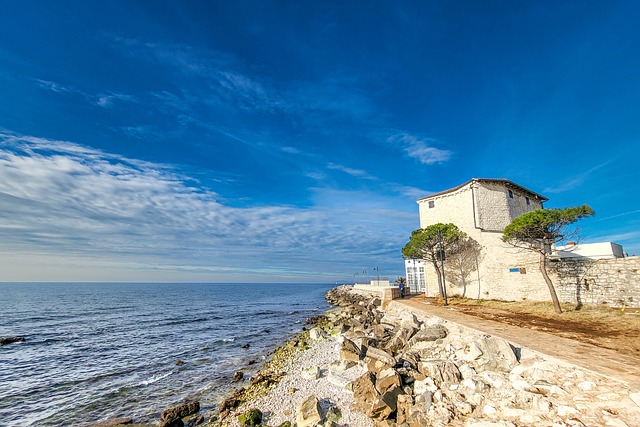
Exploring the Foundations of Coastal Design in Contemporary Architecture
Coastal house plans emphasize harmony between built structures and natural surroundings. Architects working along shorelines often prioritize openness, daylight, and cross-ventilation to enhance comfort without mechanical reliance. Integration of light, air, and landscape defines the architectural approach, creating a fluid experience that connects occupants with their environment. As sustainability becomes central to design discourse, coastal architecture stands as a model for responsible living—balancing human needs with natural rhythms.
How Modernism Adapts to Coastal Contexts
Modernism’s minimalist language finds new expression in coastal contexts. Clean lines are softened by organic materials like timber or limestone, which age gracefully under salt-laden air. Transparency through large glazing panels establishes visual continuity between interior and exterior spaces. This approach favors experiential qualities over ornamentation; it’s about how light moves across surfaces or how breezes shape daily life rather than decorative gestures.
Natural Design Principles in Coastal House Planning
The success of coastal architecture depends on its responsiveness to site conditions. Every decision—from orientation to material choice—determines the building’s resilience and sensory impact.
The Role of Site Orientation and Environmental Response
Strategic placement maximizes natural ventilation and daylight while preserving privacy from neighboring properties. Orientation considers prevailing winds, sun paths, and ocean views to achieve balance between exposure and protection. Passive design strategies such as deep overhangs or operable louvers reduce energy dependency while maintaining thermal comfort year-round.
Materiality as a Bridge Between Nature and Structure
Material selection defines both performance and emotion in coastal homes. Locally sourced timber, stone, and concrete connect the structure to its setting while minimizing transportation impact. Weathering materials tell stories of time—salt marks on steel or patina on wood become part of the aesthetic language. Textural contrasts evoke dialogue between permanence and impermanence, grounding modern forms within ever-changing landscapes.
Reimagining Small Cottage House Plans Through Coastal Aesthetics
Compact dwellings near coastlines reveal how constraint can inspire creativity. When space is limited, proportion, light, and connection replace size as measures of luxury.
Compact Design with Expansive Spatial Perception
Open-plan layouts enhance spatial flow despite limited footprints. Visual extensions through glazing blur boundaries with outdoor decks or courtyards, creating an illusion of expansion. Multi-functional zones—kitchens merging with living areas or convertible sleeping spaces—support flexible lifestyles typical of modern retreats.
Integrating Sustainability into Small-scale Architecture
Small cottage house plans inherently tread lightly on fragile ecosystems due to their compact footprints. Incorporating solar panels or wind microturbines supports self-sufficiency in remote settings where grid access is limited. Water conservation methods like rainwater harvesting align with ecological stewardship principles vital along drought-prone coasts such as California’s.
The California Example: A Collaborative Vision Rooted in Nature
This particular coastal home exemplifies community-driven architecture where friendship informs form-making as much as technical skill does.
Collective Design Processes Among Friends and Architects
Shared values among collaborators foster experimentation beyond conventional practice. Informal meetings replaced rigid planning sessions; ideas evolved organically through sketches made on-site rather than digital models alone. Such collaborative decision-making integrated diverse perspectives on function—balancing private retreat needs with communal gathering spaces.
Architectural Expression Through Landscape Integration
The home’s design emerges from the contours of its site rather than imposing upon it. Outdoor terraces act as transitional zones linking interior rooms with dunes beyond. Native vegetation enhances microclimate regulation by reducing heat gain while maintaining visual continuity across the terrain—a subtle but powerful gesture toward ecological integration.
The Future of Modern Architecture Through Coastal Inspiration
As environmental pressures intensify globally, lessons from coastal architecture become increasingly relevant across all geographies.
Redefining Architectural Narratives Around Contextual Sensitivity
Future designs may prioritize adaptability to climate change and rising sea levels through elevated foundations or amphibious structures. Context-driven architecture challenges universal modernist aesthetics by emphasizing local topography, vegetation, and cultural memory over abstract form-making. Human experience becomes central to evaluating architectural success within these evolving natural settings.
Expanding the Influence of Coastal Design Beyond Geography
Principles derived from coastal environments now inform urban sustainability strategies—from daylight optimization in dense cities to adaptive reuse mimicking coastal resilience cycles. Reclaimed materials echo shoreline durability within metropolitan contexts where weathering adds character rather than decay. Ultimately, the philosophy of balance between nature and modernity continues shaping emerging architectural paradigms that value sensitivity over spectacle.
FAQ
Q1: What defines modern coastal house plans?
A: They focus on blending indoor-outdoor living through open layouts, natural ventilation, durable materials, and strong connections to landscape features like ocean views or dunes.
Q2: How do small cottage house plans benefit from coastal aesthetics?
A: Compact cottages use light-filled interiors, multifunctional areas, and outdoor extensions to create spacious impressions while minimizing environmental impact.
Q3: Why is material choice critical in coastal construction?
A: Materials must endure humidity, salt exposure, and temperature shifts; local sourcing reduces maintenance costs while enhancing contextual harmony.
Q4: How does collaboration influence residential design outcomes?
A: Collaborative processes allow diverse expertise—from engineering precision to artistic vision—to merge into cohesive solutions reflecting shared values.
Q5: Can urban projects apply lessons from coastal architecture?
A: Yes; strategies like passive cooling, flexible space use, and biophilic integration translate effectively into dense urban environments seeking sustainable balance.