
House Decor Styles That Reveal How Transitional Rooms Bridge Eras
Jeremiah Brent and Nate Berkus Craft a Bucolic Homestead for Their Family in Rural Portugal
In rural Portugal, Nate Berkus and Jeremiah Brent have reimagined the essence of modern bucolic living. Their project merges timeless pastoral charm with contemporary refinement, creating a home that feels both rooted and forward-looking. The couple’s approach blends emotional storytelling with architectural integrity, resulting in a residence that honors Portuguese heritage while embracing sustainability and simplicity. This homestead demonstrates how design can preserve cultural memory yet evolve with modern comfort—an exemplar of how rural architecture continues to inspire global design conversations.
The Concept of Modern Bucolic Living
Modern bucolic living is not about recreating the past but reframing it for today’s rhythm. Designers now reinterpret rustic traditions through the lens of sustainability and minimalism, crafting spaces that are serene yet sophisticated.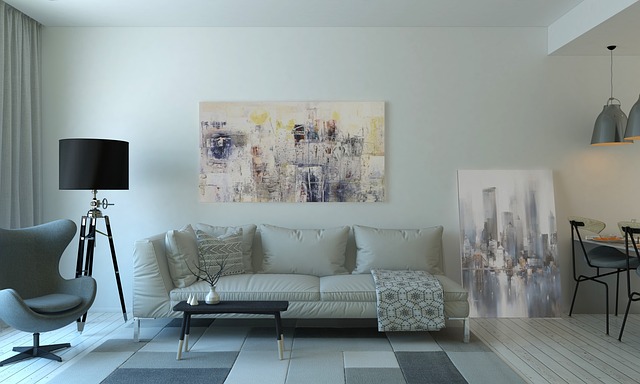
Understanding the Essence of Bucolic Design in Contemporary Contexts
Traditional rural aesthetics once centered on practicality and closeness to nature. In a modern context, these values translate into honest materials, balanced proportions, and spaces that prioritize authenticity over ornamentation. Homes adopt the tactile warmth of wood, stone, and linen but integrate them with contemporary layouts that encourage fluid movement. Artisanal craftsmanship—hand-hewn beams or limewashed walls—anchors the design in human touch while maintaining elegance.
The Influence of Global Design Trends on Bucolic Aesthetics
Global design trends increasingly favor ecological responsibility and emotional well-being. The slow living movement promotes mindful consumption and connection to place, guiding architects toward low-impact materials and adaptive reuse. Minimalist influences reduce visual noise, allowing organic textures like clay plaster or woven fibers to take center stage. Meanwhile, cross-cultural exchange introduces hybrid aesthetics: Scandinavian restraint meets Mediterranean lightness, forming a new language of rustic luxury that feels universal yet deeply local.
Nate Berkus and Jeremiah Brent’s Design Philosophy
Nate Berkus and Jeremiah Brent share an approach grounded in emotion rather than trend. Their work consistently explores how homes tell stories—of people, memory, and belonging.
Core Principles Guiding Their Creative Vision
At the core of their philosophy lies empathy. Each space they create seeks emotional resonance; it should feel lived-in from day one. Function never competes with beauty; instead, both coexist through thoughtful curation. They favor layered interiors filled with collected objects—vintage ceramics beside contemporary art—to evoke history without nostalgia. Texture becomes narrative: linen drapery softens stone walls; brass fixtures patinate gracefully over time.
Evolution of Their Collaborative Approach
Their partnership thrives on contrast—Berkus’s classic sensibility meeting Brent’s sculptural modernism. Together they form a cohesive aesthetic language rooted in restraint and warmth. Over time their portfolio has evolved from urban apartments to expansive rural retreats, reflecting a growing interest in landscape integration and emotional quietude. For them, each project is not just shelter but autobiography—a reflection of identity shaped by travel, family, and cultural curiosity.
Crafting a Bucolic Homestead in Portugal
Their Portuguese homestead exemplifies how architecture can converse with its surroundings rather than dominate them. Every element—from material selection to spatial orientation—responds to the land’s rhythm.
Architectural Integration with the Portuguese Landscape
The structure employs local stone quarried nearby and timber sourced from regional forests, grounding it within its environment. Limewash finishes echo traditional Portuguese farmhouses while improving breathability in humid climates. The home’s orientation captures morning light across terraced hillsides; large openings frame olive groves like paintings. Existing ruins were preserved where possible, their weathered textures narrating centuries of habitation.
Interior Design Elements Reflecting Modern Pastoral Elegance
Materiality and Texture
Inside, natural fibers such as wool rugs and handwoven textiles soften cool stone floors. Aged oak cabinetry contrasts with plastered walls tinted in muted earth tones. The palette remains neutral—chalk whites, sand beiges—so that shadows highlight architectural depth rather than color saturation.
Spatial Flow and Functionality
The layout prioritizes connection: an open kitchen flows into dining areas where family gathers daily meals under exposed beams. Yet intimate corners—a reading nook by a window seat or a small terrace off the bedroom—offer solitude when needed. Sliding doors blur boundaries between interior comfort and outdoor terraces shaded by fig trees.
Artisanal Details and Local Craftsmanship
Portuguese artisans contributed significantly: potters crafted bespoke ceramic lighting; basket weavers produced storage pieces using local reed; upholsterers stitched linen cushions dyed with natural pigments. These details root the home within its cultural geography while supporting community craft traditions that risk fading under industrial production pressures.
The Interplay Between Heritage and Modernity
Balancing preservation with innovation defines the success of this project. It respects vernacular architecture yet adapts it for contemporary expectations.
Preserving Authenticity Through Design Choices
Rather than replacing aged surfaces, restoration emphasized patina—the marks of time considered assets rather than flaws. Original stone thresholds remain uneven; wooden shutters retain their imperfections. Such decisions preserve character while framing new interventions discreetly so old meets new without friction.
Modern Comforts Within a Historical Framework
Technology exists but hides quietly: radiant heating beneath terracotta floors; integrated lighting systems controlled remotely yet invisible to sightlines. Solar panels supply part of the home’s energy demand, aligning luxury with environmental responsibility consistent with IEA guidelines promoting renewable adoption in residential sectors.
Emotional Resonance in the Family Home Experience
Beyond aesthetics lies sentiment—the home as vessel for memory-making.
Designing Spaces That Foster Connection and Reflection
Communal areas encourage gathering around shared rituals: cooking together or evenings by the fireplace discussing future travels. Private spaces invite introspection—a studio overlooking vineyards fosters creativity while bedrooms open onto gardens scented with lavender for restfulness.
The Symbolism of Home as an Emotional Anchor
For Berkus and Brent, home represents continuity amid constant motion. Every curated object carries narrative weight: a worn chair from Paris markets sits beside Portuguese pottery found locally—objects bridging personal timelines across continents. Such layering transforms architecture into biography, where design becomes both shelter and storykeeper.
Influence on Contemporary Rural Design Practices
Their work reaches beyond one property; it shapes discourse around what rural luxury means today.
Redefining Luxury Through Simplicity and Purpose
True luxury now equates to space for stillness rather than accumulation of things. Designers increasingly view countryside living as experimentation ground for sustainable methods rather than nostalgic retreating into folklore aesthetics.
Inspiring a Broader Movement Toward Intentional Living Spaces
This project contributes to global conversations about ethical domestic architecture championed by organizations like ISO 21930 focusing on lifecycle sustainability metrics for building materials. By demonstrating how emotional intelligence can coexist with environmental performance, Berkus and Brent inspire peers to pursue meaning-driven practice over decorative excess.
FAQ
Q1: What defines Nate Berkus and Jeremiah Brent’s design style?
A: Their style blends timeless materials with emotional storytelling, emphasizing warmth, layered textures, and personal history within functional layouts.
Q2: How does their Portuguese home reflect sustainability?
A: It uses local materials like stone and timber, integrates solar energy solutions, and preserves existing structures to minimize environmental impact.
Q3: What makes modern bucolic living distinct from traditional rustic design?
A: It retains pastoral simplicity but incorporates minimalist forms, sustainable technologies, and refined craftsmanship suitable for modern lifestyles.
Q4: How do they incorporate local culture into their projects?
A: Through collaboration with regional artisans who produce ceramics, textiles, or furniture using indigenous techniques passed down generations.
Q5: Why is this project significant for global design trends?
A: It signals a shift toward authenticity-based luxury where emotional connection, sustainability, and cultural respect define contemporary excellence in rural architecture.