
What Makes Modern Home Interior Essential in Farmhouse-Style Design
What You Need To Know About Modern Farmhouse-Style Interior Design
Modern farmhouse-style interior design merges the warmth of rustic living with the clarity of modern architecture. It values simplicity, tactile authenticity, and a visual calm that balances old-world charm with contemporary comfort. The modern home interior built around this style is not about nostalgia alone; it’s about creating spaces that feel grounded yet forward-looking. Professionals in architecture and design see it as a response to urban fatigue—a way to bring natural textures and honest materials back into daily life while maintaining the efficiency and technology expected in today’s homes.
Defining the Essence of Modern Home Interior in Farmhouse-Style Design
The modern farmhouse aesthetic doesn’t simply imitate rural living; it reinterprets it for a contemporary audience seeking serenity without sacrificing sophistication. This section explores how traditional roots evolved into one of today’s most enduring design movements.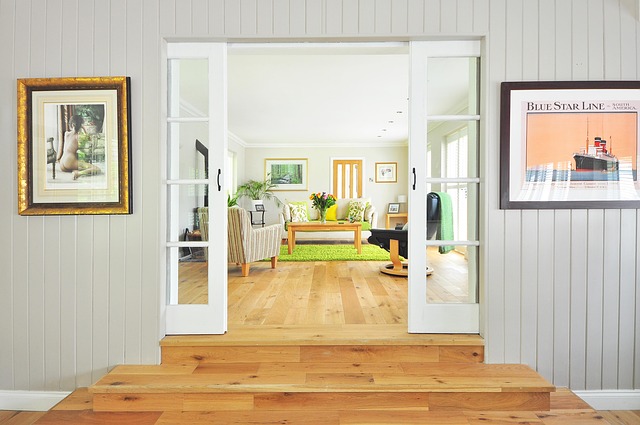
The Evolution of Farmhouse Aesthetics
Traditional farmhouse interiors began as purely functional spaces, built from local materials and shaped by agricultural life. Their charm came from necessity—wide planks, open hearths, and handmade furniture reflected honest craftsmanship. Over time, designers reimagined these features through a modern lens: clean lines replaced ornamentation, and muted tones replaced heavy color schemes. The shift from rural function to urban adaptation mirrors broader lifestyle changes—people now crave connection to nature even within city environments.
Key Characteristics of Modern Home Interiors
A modern home interior rooted in farmhouse style relies on balance. Neutral palettes—creamy whites, soft grays, muted taupes—form the base for visual harmony. Open layouts enhance light flow and create a sense of continuity between kitchen, dining, and living areas. Natural materials like wood, linen, stone, and iron reinforce authenticity while offering tactile comfort. The result is an atmosphere that feels both uncluttered and deeply personal.
Architectural Foundations of the Modern Farmhouse Interior
Architecture defines how farmhouse aesthetics translate into livable form. Beyond décor choices, structural integrity gives this style its recognizable character—open volumes paired with natural light.
Structural Elements that Define the Space
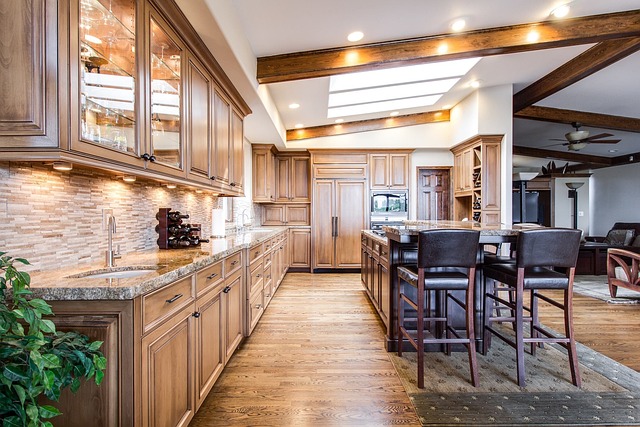
Exposed beams and vaulted ceilings immediately establish openness. Large windows frame outdoor views while maximizing daylight penetration—a principle supported by passive design strategies recommended by ISO 16813:2006 for indoor environmental quality. Industrial accents such as black steel frames or minimalist lighting fixtures contrast beautifully with organic elements like timber ceilings or stone fireplaces. Symmetry plays a subtle role too: balanced window placement and proportional room dimensions create visual order without rigidity.
Material Selection and Its Role in Design Integrity
Material choice determines whether a space feels authentic or contrived. Reclaimed wood introduces texture and history; stone adds permanence; metal brings precision. Many architects now prioritize sustainably sourced materials aligned with environmental standards such as those promoted by IEA’s sustainable building initiatives. Finishes matter equally—matte surfaces soften reflections while polished ones introduce contrast, helping bridge rustic roots with refined modernity.
The Interplay Between Functionality and Aesthetic Value
Modern farmhouse interiors succeed when function supports beauty rather than competing with it. Every design decision—from furniture placement to lighting tone—serves both comfort and coherence.
Designing for Comfort Without Compromising Sophistication
Furniture layout favors livability: wide sofas invite relaxation but maintain alignment with architectural geometry. Textiles play a quiet but vital role—layered cottons, wool throws, or jute rugs add depth through texture rather than pattern overload. Lighting completes the mood; layered sources (ambient, task, accent) allow control over intensity so spaces transition smoothly from day to evening without losing intimacy.
Spatial Organization as a Reflection of Modern Living Needs
Open-concept plans dominate because they encourage social interaction—a reflection of shifting domestic habits where cooking, dining, and leisure often blend together. Multi-functional zones adapt easily: a kitchen island doubles as workspace; sliding barn doors conceal offices or storage nooks when not needed. Built-in cabinetry maintains clarity by integrating storage directly into walls or staircases instead of adding bulky furniture.
Color Theory and Texture Application in Modern Farmhouse Interiors
Color and texture determine emotional resonance within any modern home interior. In farmhouse design, they work together to evoke calmness while avoiding sterility.
Harmonizing Natural Tones with Contemporary Accents
Earthy hues—sand beige, clay brown, soft olive—create continuity across rooms. Small injections of color through ceramics or upholstery add character without overwhelming neutrality. Designers often experiment with surface contrast: matte walls beside polished concrete floors generate subtle tension that keeps minimalism engaging rather than flat.
The Role of Texture in Defining Visual Warmth
Texture shapes sensory experience more than color does in this style. Rough-hewn beams beside smooth marble counters highlight material honesty; woven baskets beside glass fixtures balance tactile diversity within simplicity. Natural fibers such as wool or rattan reinforce connection between interior space and surrounding environment—a principle echoed across biophilic design research published by IEEE on human well-being in built environments.
Technological Integration Within a Farmhouse Framework
Technology no longer disrupts rustic charm—it discreetly enhances it when integrated thoughtfully into structure rather than displayed overtly.
Smart Systems Complementing Rustic Ambience
Automation systems now operate quietly behind wood-paneled walls or beneath reclaimed floors controlling temperature, lighting, or shading seamlessly via sensors compliant with IEC 62368 standards for safety in smart devices. Energy-efficient systems such as LED illumination or geothermal heating align perfectly with sustainability goals central to modern architecture while keeping energy costs low.
Balancing Innovation with Tradition in Design Execution
Hidden wiring preserves architectural purity by eliminating visible clutter around beams or stonework. Digital interfaces are designed to harmonize visually with handcrafted joinery rather than compete against it—a subtle dialogue between human craftsmanship and machine precision that defines authentic modernity within this hybrid aesthetic.
The Cultural and Emotional Resonance of Modern Farmhouse Interiors
Beyond its physical form, the modern farmhouse carries emotional weight—it symbolizes belonging amid rapid change.
Why the Style Appeals to Contemporary Lifestyles
Its appeal lies partly in nostalgia but mostly in practicality: people seek emotional grounding through familiar materials interpreted intelligently for present-day living standards. Wood grain tells stories; linen softens acoustics; iron hardware adds permanence—all small cues that make homes feel lived-in yet curated for efficiency across diverse climates from coastal cottages to suburban lofts.
Sustaining Timelessness Through Design Principles
Timelessness depends on proportion more than trend adherence—balanced scale ensures longevity even as tastes evolve. Material honesty prevents superficial aging since authentic wood patinas gracefully over decades unlike synthetic imitations. Craftsmanship remains central; hand-finished joinery or artisan tiles preserve heritage while coexisting naturally alongside new technologies such as radiant flooring systems or solar-integrated roofs certified under ISO 14001 environmental management frameworks.
FAQ
Q1: What defines a modern farmhouse-style interior?
A: It combines rustic elements like wood beams and natural textures with clean lines, neutral colors, and open layouts typical of contemporary design principles.
Q2: How does color selection influence this style?
A: Neutral palettes build calm foundations while subtle accent tones provide contrast without breaking cohesion across connected spaces.
Q3: Are smart technologies compatible with farmhouse interiors?
A: Yes—when discreetly integrated through hidden wiring or automated climate systems that preserve visual simplicity yet enhance functionality.
Q4: Which materials are most commonly used?
A: Reclaimed wood, stone, metal accents, linen fabrics, and matte finishes are favored for their authenticity and tactile richness.
Q5: Why has this style remained popular among designers?
A: Its adaptability across urban apartments or rural estates allows emotional warmth to coexist with architectural sophistication suited to modern lifestyles.