
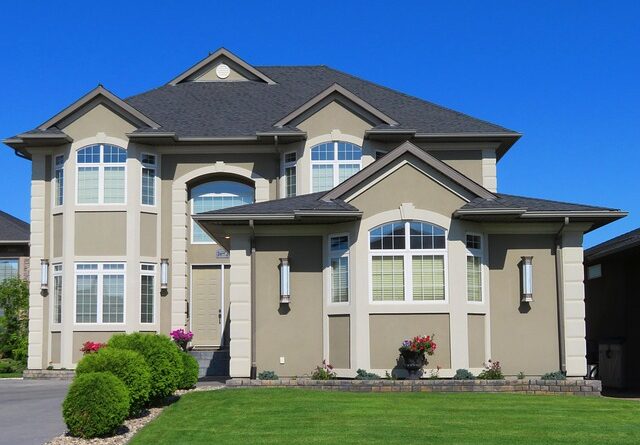
Are Two Story House Plans Redefining Tiny Living for 2026 Experts
24 Tiny House Plans for 2026 That Prove Bigger Isn’t Always Better
Tiny living in 2026 is no longer a fringe movement but a refined architectural response to urban density, sustainability, and affordability. Architects are designing compact homes that merge technology, environmental awareness, and human comfort. Two story house plans and modern farm house plans dominate this evolution, showing how vertical design and rural aesthetics can coexist in small footprints. The result is not just smaller homes but smarter habitats that redefine how space, light, and energy interact.
The Evolution of Tiny Living in 2026
The tiny home industry has matured into a field driven by data, material innovation, and lifestyle integration. What once symbolized minimalist rebellion now represents adaptive design intelligence.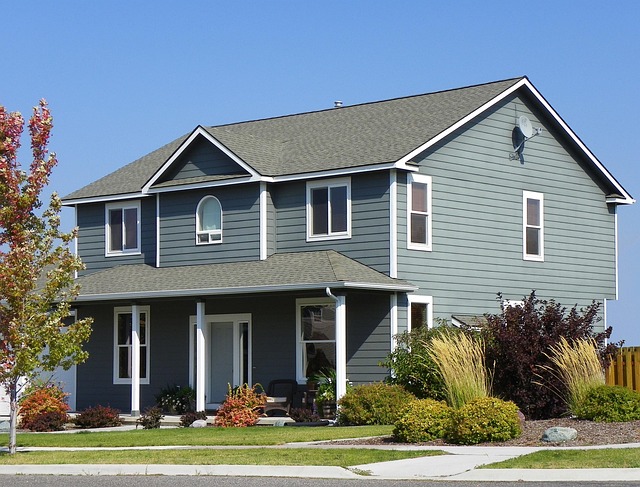
Shifting Perspectives on Compact Architecture
Tiny living has evolved from minimalism to intelligent spatial design where every inch contributes to comfort and function. Designers now emphasize vertical expansion to achieve livability without increasing land use. This shift responds to both affordability pressures and environmental goals. Sustainability remains central as architects integrate recycled materials and renewable systems into small-scale housing prototypes.
The Role of Design Technology in Modern Tiny Homes
Advancements in digital modeling have made precise space planning possible even within 300 square feet. Tools like BIM allow designers to simulate daylight patterns or furniture movement before construction begins. Smart materials such as phase-change insulation panels or modular timber frames enhance flexibility while reducing waste. Renewable energy systems—solar roofs, micro wind turbines, or greywater recycling—turn tiny homes into near self-sufficient ecosystems.
Two Story House Plans as a Response to Space Constraints
Urban density has pushed architects toward vertical solutions that preserve ground area while improving livability. Two story house plans are becoming the practical answer for cities balancing limited land with growing populations.
Architectural Logic Behind Vertical Design
Vertical layouts add functional square footage without expanding the footprint, an essential strategy in high-cost areas. Multi-level configurations separate private zones upstairs from social spaces below, improving both privacy and usability. Structural innovations such as lightweight steel framing or cross-laminated timber have made two-story tiny homes structurally sound yet efficient to assemble.
Key Architectural Features of Two Story House Plans
Efficient Use of Vertical Space
Staircases double as storage units or display niches, blending function with aesthetics. Loft-style bedrooms above open-plan living areas free ground-level zones for communal activity or workspace use—an increasingly valuable feature for remote professionals.
Integration of Natural Light and Ventilation
Designers use double-height windows to create openness while cutting energy demand through passive lighting. Cross-ventilation layouts allow fresh air circulation across levels, maintaining comfort without mechanical cooling systems.
Modern Farm House Plans Influencing Tiny Living Trends
Modern farm house plans bring emotional warmth to compact architecture by merging rustic charm with streamlined efficiency. They appeal to homeowners seeking simplicity without sacrificing aesthetic richness.
Blending Traditional Aesthetics with Contemporary Functionality
The modern farmhouse look combines reclaimed wood siding with minimalist interiors that feel open yet grounded. Open floor plans link kitchen, dining, and living areas into a continuous social core. Exposed beams and neutral tones soften the visual density typical of small spaces while preserving a handcrafted feel that resonates with rural heritage.
Sustainable Materials and Energy Efficiency in Modern Farmhouse Designs
Eco-Friendly Construction Practices
Reclaimed wood, recycled steel frames, and low-VOC finishes reduce ecological impact during construction. Passive solar orientation further enhances thermal stability throughout the year by capturing winter sunlight and minimizing summer heat gain.
Smart Home Integration for Energy Management
Automated lighting systems adjust brightness based on occupancy patterns while climate controls maintain efficiency through adaptive sensors. Many designs now include rooftop solar arrays or battery storage units supporting off-grid operation for days at a time.
Design Strategies Redefining Tiny Living for Experts in 2026
Experts are exploring hybrid strategies that merge architecture with product design thinking—homes that transform throughout the day according to occupant needs rather than static blueprints.
Multi-Purpose Layouts Enhancing Functionality
Convertible furniture shifts seamlessly between workstations and sleeping areas, maximizing usability within limited square footage. Modular wall panels slide or fold away to open up shared zones when needed or partition them for privacy during work hours.
Innovations in Building Systems for Compact Homes
Prefabrication and Modular Assembly Techniques
Prefabricated modules allow rapid assembly on-site with minimal disruption while maintaining precision manufacturing standards. Modular systems also simplify future expansions such as adding second floors or outdoor decks without major reconstruction.
Advanced Insulation and Acoustic Solutions
High-performance insulation keeps interiors stable across seasons despite small volume ratios prone to temperature swings. Acoustic treatments—sound-dampening panels hidden behind wall cladding—maintain privacy even when rooms share thin partitions.
The Future Outlook of Two Story Tiny Homes in the Expert Community
Two-story micro-housing is emerging as a critical model for sustainable urban development where land scarcity meets population growth.
How Urbanization is Driving Demand for Vertical Micro-Housing
Cities facing high land costs are adopting vertical micro-housing prototypes within infill projects to accommodate younger demographics seeking ownership alternatives. Policy reforms in zoning codes now support multi-level dwellings under smaller lot sizes—a key enabler of this trend.
Research Directions for Architects and Designers
Architects are investigating adaptive reuse strategies that retrofit existing urban shells into multi-level tiny residences instead of demolishing them. Research also focuses on scalable frameworks balancing aesthetics with affordability so designs can be replicated across regions without losing local identity.
FAQ
Q1: Why are two story house plans gaining popularity among tiny home designers?
A: They provide additional living space vertically without increasing the land footprint, making them ideal for dense urban settings.
Q2: How do modern farm house plans influence tiny home aesthetics?
A: They blend rustic materials like wood with clean lines and open layouts that make compact spaces feel larger and warmer.
Q3: What role does technology play in designing modern tiny homes?
A: Advanced modeling tools enable precise layout planning while smart materials improve energy performance and adaptability.
Q4: Are two-story tiny homes structurally safe?
A: Yes, innovations such as cross-laminated timber panels and lightweight steel frames provide strong yet efficient structural integrity.
Q5: How does sustainability factor into future tiny home trends?
A: Designers increasingly use renewable materials, passive solar principles, and smart energy systems to minimize environmental impact while maintaining comfort levels.