

How Can Small Cottage House Plans Transform an 800-Square-Foot Dream Home
How To Design An 800-Square-Foot Cottage That Feels Like a Dream
Designing an 800-square-foot cottage that feels open, functional, and emotionally rich requires precision more than extravagance. The secret lies in proportion, material honesty, and spatial logic. A well-planned small cottage house plan can deliver the comfort of a full-size home when every inch is intentional. The goal isn’t downsizing—it’s right-sizing: creating a dwelling that reflects craftsmanship, sustainability, and timeless design principles.
Understanding the Concept of Small Cottage House Plans
Compact cottages are not merely smaller homes; they embody a philosophy of restrained beauty and efficient living. Their design roots connect architecture with lifestyle—prioritizing warmth, scale, and human connection.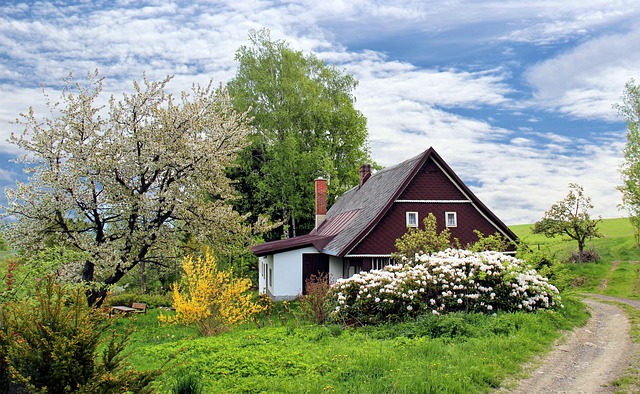
Defining the Essence of a Small Cottage Home
A small cottage typically features steep roofs, gabled dormers, and cozy proportions that blend rustic charm with modern sensibility. Unlike minimalist micro-homes or urban studios, cottages emphasize handcrafted details—think exposed beams or stone fireplaces—that make small spaces feel personal. Simplicity drives both form and function; layouts are intuitive rather than decorative. These homes balance aesthetics with practicality by using natural materials and compact yet fluid floor plans.
The Evolution of Compact Living Spaces
Historically, cottages were modest dwellings for rural workers in Europe—functional shelters built close to the land. Over time, this typology evolved into a symbol of retreat living. Today’s reinterpretations favor sustainability: passive heating, recycled materials, and reduced footprints align with global environmental goals cited by the International Energy Agency (IEA). Regional influences—from Scandinavian timber forms to American Craftsman bungalows—continue shaping contemporary small cottage house plans.
Strategic Planning for an 800-Square-Foot Dream Home
Spatial strategy determines how livable an 800-square-foot home feels. Architects focus on flow rather than size—how people move through rooms defines perceived spaciousness.
Spatial Zoning and Functional Layout Design
An effective plan divides space into clear zones: sleeping quarters away from communal areas, kitchens integrated with dining to encourage connection. Open-concept layouts amplify light and air circulation while reducing corridor waste. Visual cues like ceiling beams or flooring shifts subtly define zones without walls.
Optimizing Circulation and Flow in Limited Space
Circulation paths must remain unobstructed; even a misplaced sofa can disrupt harmony. Built-in benches or wall-mounted desks eliminate clutter points. Using consistent flooring materials creates visual continuity that stretches the sense of space. Lighting also matters—layered illumination reduces shadows that make rooms appear smaller.
Architectural Principles Behind Effective Small Cottage House Plans
Cottage architecture thrives on proportion and texture rather than scale. Each design decision—from window height to roof pitch—affects perception.
Proportional Design and Scale Management
A human-scaled interior feels balanced when furniture aligns with room volume. High ceilings paired with narrow footprints create vertical spaciousness. Dormer windows add headroom while maintaining exterior charm. Avoiding oversized fixtures prevents visual congestion—a principle echoed across many AD house plans emphasizing livable density.
Structural Efficiency and Material Selection
Lightweight framing systems like structural insulated panels (SIPs) reduce bulk while improving energy performance per ISO 6946 standards for thermal resistance. Natural finishes such as cedar cladding or lime plaster tie structure to landscape contextually. Prefabricated modules shorten build time without sacrificing character—a growing trend in compact residential design.
Enhancing Livability Through Design Innovation
Comfort in small homes relies on adaptability—furniture that transforms functionally extends usability beyond square footage.
Multi-Purpose Furniture and Built-In Storage Solutions
Convertible pieces—a bed doubling as seating or tables folding into walls—redefine flexibility. Staircases conceal drawers; lofts serve as reading nooks or guest bunks. Custom cabinetry tailors every niche into storage without breaking visual rhythm.
The Role of Natural Light and Ventilation in Comfort Design
Daylight remains the cheapest luxury in architecture. Proper window placement captures southern exposure for warmth while cross-ventilation cools interiors naturally per ASHRAE airflow guidelines. Skylights or clerestory windows expand perception upward; glazed doors visually merge indoor and outdoor zones while enhancing energy efficiency through selective glazing ratios.
Integrating Aesthetic Elements into Functional Planning
Beyond layout efficiency lies emotional resonance—the textures, colors, and craftsmanship that define cottage identity.
Interior Detailing That Defines Cottage Character
Natural materials dominate: wood beams soften ceilings; stone hearths ground interiors; shiplap walls reflect vernacular tradition. Warm neutral palettes maintain openness yet feel intimate under soft lighting. Handcrafted joinery adds authenticity often missing in mass-produced builds.
Landscape Integration for a Cohesive Design Experience
Outdoor extensions like porches or patios continue interior rhythms outward, blurring thresholds between architecture and nature. Site orientation maximizes sunlight while native plantings support biodiversity consistent with IRENA ecological planning frameworks. A garden path lined with local flora not only beautifies but stabilizes soil around foundations.
Advanced Approaches Using AD House Plans Concepts in Small Cottages
Accessory Dwelling Unit (ADU) principles provide valuable lessons for optimizing land use through modular thinking—a natural fit for compact cottages.
Adapting Accessory Dwelling Unit (ADU) Principles to Cottage Design
Applying ADU zoning logic allows multiple small dwellings on one plot without overcrowding infrastructure networks. Modular adaptability supports future expansion if family needs change—a flexibility crucial in long-term housing strategies promoted by urban planning authorities globally.
Smart Technology Integration for Modern Functionality
Automation systems monitor lighting, temperature, and security efficiently within limited footprints using IoT-based controls compliant with IEEE smart home protocols. Concealed utilities free visible surfaces; digital modeling tools refine precision during early design stages ensuring build accuracy within millimeters.
Sustainability as a Core Element in Small Cottage Planning
Environmental responsibility now defines architectural excellence as much as aesthetics do.
Passive Design Strategies for Energy Efficiency
Orientation governs comfort: south-facing glazing captures winter sun; deep eaves block summer heat gain following ISO 52016 energy modeling methods. Materials like brick or stone store thermal mass moderating indoor temperature swings naturally. Rainwater harvesting systems integrated into rooflines enhance self-sufficiency on compact lots.
Long-Term Durability Through Responsible Material Choices
Evaluating lifecycle cost surpasses initial savings—durable finishes lower maintenance over decades per IEA building durability assessments. Locally sourced timber reduces transport emissions while aligning design language with regional identity—a hallmark of enduring cottage construction philosophy.
FAQ
Q1: What makes an 800-square-foot cottage feel larger?
A: Clear circulation paths, tall ceilings, consistent materials, and abundant daylight collectively expand spatial perception beyond physical limits.
Q2: Are AD house plans suitable for rural properties?
A: Yes, their modular frameworks adapt easily to open land parcels while maintaining efficient utility connections typical in rural zoning codes.
Q3: Which materials best suit sustainable small cottages?
A: Locally harvested wood, reclaimed brickwork, lime plaster finishes, and low-emission insulation provide both ecological integrity and aesthetic warmth.
Q4: How can technology improve compact living?
A: Smart thermostats, concealed wiring channels, and app-controlled lighting systems streamline daily routines without occupying physical space.
Q5: What’s the ideal roof type for cottage-style homes?
A: Steep gables or cross-pitched roofs enhance attic usability while shedding rain efficiently—a traditional form still favored for its proportionate beauty today.