
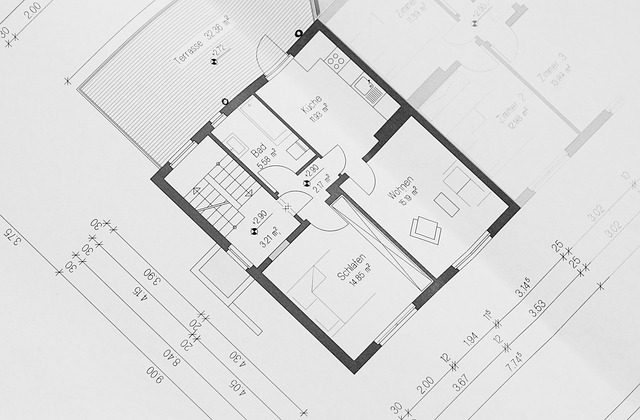
How Does Floor Plan Layout Influence Georgian Architecture In Hampstead
Georgian Architecture, Hampstead, John Constable, Heritage Preservation, Sustainable Restoration
Georgian architecture in Hampstead represents a synthesis of proportion, geometry, and social order that continues to shape conservation and design discourse. The district’s Georgian houses reveal how floor plan layout reflected cultural values, climatic adaptation, and class structures. From the terraced slopes of Heath Street to the villas overlooking the Heath, these buildings integrated symmetry with topographical sensitivity. Today, their preservation demands balancing authenticity with sustainability. By studying Georgian planning principles—especially spatial hierarchy and circulation—architects can restore heritage properties responsibly while informing modern sustainable design.
The Architectural Context of Georgian Design in Hampstead
The architectural evolution of Hampstead during the Georgian era cannot be separated from London’s broader expansion. As urban development pushed northward in the eighteenth century, Hampstead became a retreat for affluent professionals seeking cleaner air and picturesque views. Its architectural identity emerged through a dialogue between social aspiration and natural setting.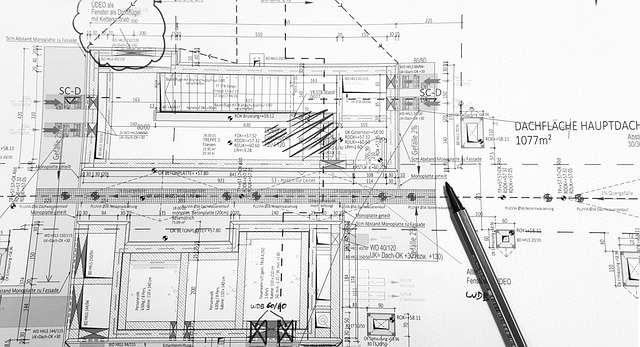
Historical Development of Georgian Architecture in Hampstead
During the eighteenth century, Hampstead transformed from rural village to suburban enclave. Landowners subdivided estates for speculative housing aligned with London’s growing merchant class. The resulting grid-like streets balanced formality with the irregular terrain. Social hierarchy played a decisive role: large detached villas occupied elevated sites while artisans lived in mews or cottages below. Local materials—brick from nearby kilns and timber from Middlesex forests—defined façades that blended refinement with practicality.
Defining Characteristics of Georgian Floor Plan Layouts
The typical Georgian floor plan layout emphasized symmetry and axial alignment. Central entrances opened into halls that organized space both horizontally and vertically. Public rooms like parlors and dining areas faced the street; private chambers receded toward gardens or upper floors. Circulation patterns reinforced decorum: servants moved through back stairs or basement corridors unseen by guests. This spatial choreography mirrored social etiquette as much as architectural logic.
The Relationship Between Floor Plan Layout and Spatial Aesthetics
Georgian architecture was not only about façade symmetry but also about internal harmony achieved through proportionate planning. The relationship between geometry, light, and movement gave each residence a sense of calm balance that remains instructive for contemporary designers.
The Role of Geometry and Proportion in Spatial Organization
Mathematical ratios derived from Palladian ideals guided room dimensions—often based on simple harmonic proportions such as 1:2 or 3:5. This ensured visual coherence when moving from one chamber to another. Windows were placed to create rhythmic sequences of light across walls and ceilings, enhancing depth perception within confined spaces.
Hierarchical Zoning within Georgian Residences
Principal rooms aligned along central axes served ceremonial functions such as entertaining guests or hosting dinners. Secondary zones—including kitchens, sculleries, or storage areas—were compactly arranged for efficiency yet concealed from main circulation routes. Vertical hierarchy further reinforced privacy: ground floors for reception, upper levels for family quarters, attics for servants.
Hampstead’s Interpretation of the Georgian Floor Plan
Hampstead’s topography introduced variations uncommon in flatter parts of London. Architects adapted traditional layouts to sloping plots while preserving classical balance.
Adaptation to Site Topography and Landscape Views
Many houses were terraced into hillsides so that garden levels aligned with principal floors rather than basements. Orientation favored southern exposure to capture daylight filtered through mature trees around the Heath. Garden designs extended interior symmetry outdoors through axial paths or reflecting pools visible from drawing-room windows.
Influence of Local Patrons and Architects on Plan Variations
Patrons often commissioned bespoke plans reflecting personal taste or professional identity—lawyers preferred formal studies near entrances; artists requested skylit studios above living quarters. Collaboration between architects, builders, and craftsmen produced subtle differences in staircase placement or window proportion that distinguished each property within an overall stylistic unity.
John Constable’s Connection to Georgian Domestic Space in Hampstead
Constable’s residence in Hampstead during the early nineteenth century coincided with his fascination for domestic architecture as part of landscape composition. His sketches captured how built form interacted with natural light—a quality deeply rooted in Georgian spatial logic.
Artistic Representation of Architectural Interiors and Exteriors
In his drawings of Hampstead cottages and villas, Constable revealed both structural precision and atmospheric softness. His use of perspective emphasized depth across thresholds—from shaded interiors toward luminous gardens—illustrating how architecture mediated between private life and open landscape.
The Cultural Significance of Constable’s Architectural Observations
Constable’s works serve as visual records of early nineteenth-century domestic environments shaped by Georgian planning ideals. They show how floor plan layout influenced daily experience: framed vistas through sash windows echoed compositional balance found on canvas, reinforcing cultural continuity between art and architecture.
Heritage Preservation Through Understanding Floor Plan Layouts
Preserving Hampstead’s Georgian heritage requires more than façade maintenance; it involves retaining internal proportions that define authenticity. Conservationists face complex choices when adapting these homes for modern use without eroding their historical essence.
Conservation Challenges in Maintaining Original Spatial Integrity
Restorers must reconcile twenty-first-century expectations—plumbing upgrades, open-plan living—with eighteenth-century compartmentalization. Subdividing large reception rooms disrupts axial flow; removing service corridors alters circulation rhythm. Maintaining original joinery or plaster cornices demands skilled craftsmanship rarely available today.
Analytical Approaches to Documenting Historic Floor Plans
Archival drawings combined with digital modeling allow precise reconstruction of lost layouts before intervention begins. Comparative analysis between surviving structures clarifies typological patterns across estates like Frognal or Church Row, guiding restoration toward historically consistent outcomes within heritage management frameworks recognized by institutions such as Historic England.
Sustainable Restoration Practices Informed by Georgian Planning Principles
Sustainability is increasingly central to conservation practice in Hampstead’s historic housing stock. The efficiency embedded within original Georgian design offers lessons still relevant today.
Integrating Energy Efficiency with Historical Authenticity
Many Georgian houses were naturally ventilated through cross-breezes created by aligned windows and stairwells—a principle adaptable to passive cooling retrofits without mechanical systems. Secondary glazing can improve thermal performance while preserving sash profiles; insulation placed behind panelling avoids altering room proportions central to heritage value.
Lessons from Georgian Planning for Contemporary Design Practice
Modern architects rediscover value in proportionate planning where daylighting reduces energy demand and spatial hierarchy fosters psychological comfort. These insights inform sustainable urban regeneration projects across North London where historic patterns inspire new developments respectful of context yet responsive to environmental goals set by bodies like IEA regarding building energy performance standards.
FAQ
Q1: Why is symmetry so essential in a Georgian floor plan layout?
A: Symmetry ensured balanced distribution of space around a central axis, creating both aesthetic harmony and functional clarity within domestic arrangements.
Q2: How did Hampstead’s terrain influence its Georgian buildings?
A: Sloped sites required terraced foundations and split-level entries that reinterpreted classical geometry according to local conditions while maximizing natural light exposure.
Q3: What distinguishes Constable’s depiction of architecture from his landscapes?
A: His architectural scenes emphasize measured structure intertwined with atmospheric effects, showing how built form complements natural surroundings rather than dominating them.
Q4: What are current challenges in preserving original floor plans?
A: Modern conversions often compromise circulation routes or remove partitions vital to historical integrity; conservation must address these pressures carefully through reversible interventions.
Q5: How can Georgian principles guide sustainable restoration?
A: By reapplying ideas like proportional ventilation paths and daylight-based orientation, restorers achieve energy efficiency consistent with authentic architectural character without invasive alteration.