
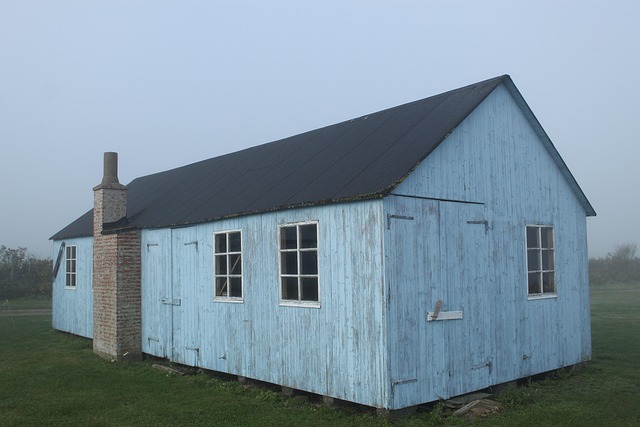
Are Barn House Plans the Key to Designing 23 Barn-Style Houses with Rustic Charm
A Georgian House in Hampstead That Was Once Home to John Constable Thoughtfully Reimagined for Modern Life
The Georgian style houses of Hampstead embody an architectural lineage that merges classical refinement with enduring craftsmanship. Among them, the former home of John Constable stands as a symbol of how historical architecture can adapt to contemporary living without losing its essence. The property’s restoration demonstrates how proportion, symmetry, and material honesty continue to inform modern design choices while respecting heritage regulations and environmental goals. This article examines the architectural DNA of Georgian Hampstead, the cultural gravity of Constable’s residence, and the evolving methods used to preserve and reinterpret such spaces for today’s life.
Architectural Heritage of Georgian Style Houses in Hampstead
Hampstead’s built environment offers a living archive of Britain’s Georgian era, where rational design met domestic elegance. The area’s hilly terrain and leafy streets became a natural canvas for architects who valued classical order yet adapted it to local needs.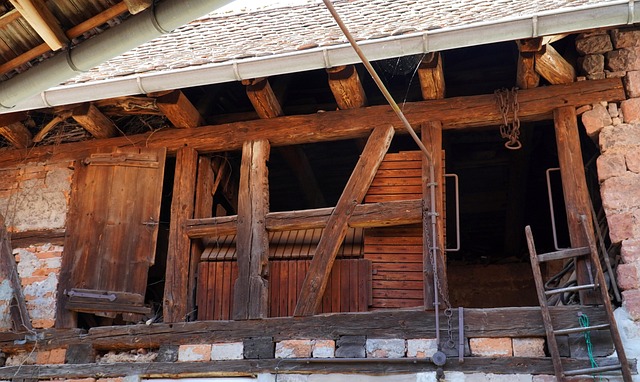
Defining Characteristics of Georgian Architecture
Georgian architecture is distinguished by its disciplined symmetry and balanced proportions. Facades typically feature red or brown brickwork with sash windows aligned vertically across two or three stories. Decorative cornices, stone quoins, and fanlights above paneled doors complete the composition. The influence of Palladian ideals is evident in the emphasis on mathematical harmony, where each element—from window spacing to cornice height—follows a coherent rhythm derived from classical precedent. Interiors were equally ordered: rooms followed axial layouts centered around staircases that often became sculptural focal points.
Evolution of Georgian Residences in Hampstead
During the 18th century, Hampstead evolved from a rural retreat into one of London’s most desirable residential enclaves. Wealthy merchants and artists sought refuge from the city’s congestion while maintaining proximity to cultural life. Builders adapted the Georgian vocabulary to local materials such as London stock brick and slate roofs suited to the area’s microclimate. Terraced rows followed the contours of Heath Street and Flask Walk, creating an interplay between geometry and topography rarely seen elsewhere in London. Over time, preservation initiatives have protected these houses under conservation area status, ensuring that their façades remain largely unchanged even as interiors evolve.
The Significance of Heritage Preservation in Maintaining the Area’s Historic Identity
Heritage preservation in Hampstead is not merely aesthetic but cultural. It safeguards continuity between centuries, allowing residents to inhabit history while contributing to its ongoing narrative. Local conservation policies require any restoration or modernization work to respect original materials and proportions, reinforcing authenticity over replication. This balance sustains Hampstead’s identity as both a historic district and a living community.
The Legacy of John Constable’s Former Home
The story of John Constable’s residence illustrates how art and architecture intersect within a specific social landscape. His home captures both personal memory and collective heritage.
Historical Context and Cultural Significance
John Constable lived in Hampstead during some of his most productive years in the early 19th century. The area’s sweeping views across London inspired many of his atmospheric cloud studies and landscapes. The Georgian domestic setting provided an environment conducive to contemplation—a structured backdrop against which artistic spontaneity could unfold. Today, this connection enriches the property’s cultural significance beyond its architectural merit.
Architectural Features Retained from the Original Design
Much of Constable’s former home retains its original masonry work, characterized by Flemish bond brick patterns and lime mortar joints typical of late-Georgian construction. Sash windows maintain their slender glazing bars and classical proportions, preserving visual coherence with neighboring houses. Inside, period detailing survives: marble fireplaces with carved mantels, intricate ceiling moldings, and turned oak balusters on the staircase all testify to 19th-century craftsmanship that has endured through careful maintenance rather than replacement.
Restoration Methods That Respect Historical Craftsmanship While Ensuring Durability
Restoration teams often employ traditional materials such as lime plaster instead of cement-based alternatives to allow walls to breathe naturally—an essential consideration for older structures prone to moisture retention. Where structural reinforcement is necessary, steel or timber framing is inserted discreetly behind existing finishes so that modern interventions remain invisible yet effective. This approach respects both aesthetic integrity and long-term stability.
Reimagining Georgian Elegance for Modern Living
Adapting heritage homes like Constable’s for modern use requires sensitivity toward both design tradition and contemporary comfort standards.
Balancing Tradition with Contemporary Functionality
Integrating modern amenities into listed properties demands ingenuity rather than compromise. Kitchens are often reconfigured into former service areas using concealed ventilation systems; bathrooms are fitted within existing alcoves without disturbing structural walls. Heating systems rely on underfloor solutions that avoid radiators cluttering sightlines while improving energy performance—a subtle dialogue between old formality and new convenience.
The Challenge of Maintaining Aesthetic Coherence Amid Structural Updates
Every intervention must respect proportionate balance—the very essence of Georgian design philosophy. For example, when adding secondary glazing for insulation, frames must align precisely with original sash divisions so that exterior symmetry remains intact. Even lighting circuits are routed along existing joinery lines to minimize intrusion on historical fabric.
Examples of Discreet Technological Integrations Preserving Visual Harmony
Smart home technologies can coexist within period interiors when handled delicately: wireless control panels hidden inside cabinetry or motion sensors embedded within cornices maintain visual purity while offering modern efficiency. These integrations prove that innovation need not disrupt architectural dignity.
Interior Design Interpretations in Modernized Georgian Homes
Interior designers working on reimagined Georgian properties often seek equilibrium between restraint and warmth—qualities inherent in both classical architecture and contemporary minimalism.
Use of Neutral Palettes and Natural Materials to Complement Classical Geometry
Soft whites, muted greys, and earthy tones highlight natural light filtering through tall sash windows while accentuating plaster moldings’ depth. Timber floors finished in matte oils echo historical authenticity yet suit current tastes for tactile simplicity.
Incorporation of Contemporary Art and Furnishings Within Traditional Spaces
Modern furniture pieces—clean-lined sofas or abstract sculptures—contrast elegantly against panelled walls or ornate cornices, creating layered interiors where past meets present without conflict.
Lighting Design That Enhances Architectural Rhythm and Spatial Depth
Layered lighting strategies emphasize verticality inherent in Georgian proportions: concealed uplights wash walls evenly while pendant fixtures mark central axes established by original floor plans.
Sustainable Restoration Practices in Period Properties
Sustainability now defines responsible restoration across London’s heritage estates including Hampstead.
Materials and Techniques Supporting Longevity
Breathable plasters made from lime putty regulate humidity; reclaimed timbers reduce environmental impact while matching period grain patterns; double-glazed sashes designed with slim profiles improve thermal performance without distorting façade character.
Importance of Energy-Efficient Glazing Solutions Compatible With Heritage Façades
Secondary glazing systems offer improved insulation values (often achieving U-values below 1.5 W/m²K) yet remain reversible—a key requirement under UK conservation guidelines protecting listed buildings.
Insulation Methods That Preserve Wall Integrity Without Altering External Appearance
Internal wall linings using vapour-permeable boards allow insulation upgrades without trapping moisture behind impermeable layers—a frequent cause of decay when modern methods are misapplied to historic masonry.
Regulatory Frameworks Guiding Conservation Work in Hampstead
Conservation practice operates within strict legal frameworks ensuring consistency across heritage interventions.
Overview of Planning Permissions Related to Listed Buildings and Conservation Areas
Any alteration affecting appearance or structure requires listed building consent under national planning law (Planning [Listed Buildings & Conservation Areas] Act 1990). Local authorities assess proposals based on reversibility, material compatibility, and visual impact on streetscape continuity.
Collaboration Between Architects, Conservation Officers, and Heritage Consultants
Successful projects rely on multidisciplinary coordination: architects interpret regulations creatively; conservation officers safeguard policy compliance; heritage consultants document original fabric through measured surveys before intervention begins.
Ethical Considerations in Balancing Authenticity With Environmental Performance
Ethical stewardship demands transparency about what is replaced versus repaired—favoring minimal intervention principles established by international charters such as ICOMOS guidelines promoting authenticity over replication even amid sustainability pressures.
The Enduring Appeal of Georgian Style in Contemporary Architecture
Georgian style houses continue influencing new developments seeking timelessness amid rapid urban change.
Influence on Modern Residential Design Language
Contemporary architects reinterpret symmetry through simplified façades where proportion replaces ornamentation as primary expression—echoing Palladian logic yet aligning with today’s minimalist ethos found across sustainable housing prototypes globally.
The Continued Relevance of Classical Principles in Sustainable Urban Development
Orderly planning inherent in Georgian layouts supports passive solar gain strategies when oriented correctly; central stairwells facilitate natural ventilation—principles rediscovered within net-zero housing research endorsed by institutions like IEA focusing on building envelope efficiency standards (IEA Annex 80).
How Contemporary Architects Reinterpret Elegance Through Minimalist Expressions Rooted in Tradition
Projects inspired by Hampstead precedents demonstrate that elegance lies not solely in decoration but precision—the measured voids between openings or subtle modulation across façades translating eighteenth-century ideals into twenty-first-century clarity.
Why Georgian Aesthetics Continue to Resonate Today?
Timelessness defines why these homes still captivate architects and homeowners alike despite evolving lifestyles.
Emotional Connection Between Timeless Design and a Sense of Permanence
Symmetry evokes calm; proportion fosters psychological comfort—a spatial poetry rarely achieved by transient trends dominating speculative housing markets today.
The Interplay Between History, Craftsmanship, and Modern Lifestyle Aspirations
Owning or restoring a Georgian property connects inhabitants with tangible craftsmanship—hand-cut joinery or limewashed walls—that contrasts sharply against mass-produced finishes common elsewhere yet aligns perfectly with growing appreciation for authenticity-driven living environments.
Reflection on How Hampstead’s Architectural Narrative Bridges Past and Present Sophistication
Hampstead remains both museum piece and modern village: its streets lined with preserved façades housing digital-age families embody how heritage evolves gracefully rather than freezes time—a quiet dialogue between continuity and reinvention visible through every brick course laid centuries ago yet still relevant today.
FAQ
Q1: What defines a typical Georgian style house?
A: It features symmetrical façades, sash windows arranged vertically, decorative cornices, balanced proportions inspired by classical architecture principles derived from Palladian ideals.
Q2: Why did John Constable choose Hampstead as his residence?
A: He valued its elevated position offering expansive skies ideal for studying light effects central to his landscape painting practice during early nineteenth century London life transition phases.
Q3: How can modern technology be integrated into listed Georgian homes?
A: Through discreet methods such as wireless systems hidden within cabinetry or reversible secondary glazing maintaining external appearance while improving comfort levels internally.
Q4: Which materials are recommended for sustainable restoration?
A: Lime-based mortars allowing breathability combined with reclaimed timber elements ensure compatibility between old masonry structures and new environmental performance expectations set by conservation standards like BS 7913 guidelines (British Standards Institution).
Q5: What permissions are needed before renovating a listed property in Hampstead?
A: Any work altering structure or appearance requires listed building consent reviewed by local planning authorities under statutory protection frameworks ensuring heritage value preservation throughout modification processes.