
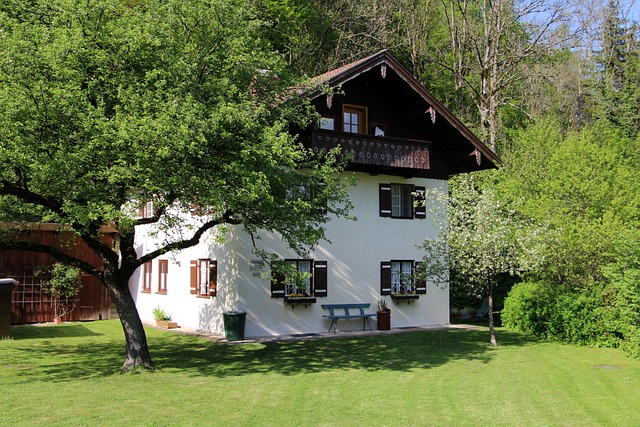
Are Guest House Plans Evolving After Planning Rejection Challenges
Guest House Revises Extension Plans After Past Rejection
The evolution of guest house plans has become a study in adaptation. Developers now face increasingly complex planning frameworks that emphasize environmental responsibility, accessibility, and harmony with local character. A guest house that once faced rejection must now refine its extension proposal to align with these heightened expectations. The shift is not merely procedural but strategic—balancing architectural ambition with regulatory compliance. The revised plans often show how lessons from past refusals can shape more sustainable, community-oriented developments that meet both market demand and local authority standards.
The Changing Landscape of Guest House Development
The hospitality development sector is undergoing a structural transformation driven by evolving municipal policies and sustainability mandates. Guest house projects, once straightforward lodging ventures, are now subject to detailed scrutiny on design ethics, energy performance, and social integration.
Shifts in Planning Regulations and Local Authority Expectations
Recent updates in zoning and building codes have redefined how guest house extensions are conceptualized. Many councils now prioritize low-carbon footprints and accessible designs that serve both visitors and residents. This shift compels developers to embed features like step-free access, EV charging stations, and passive ventilation systems within early-stage proposals. Authorities are also asking for clear sustainability statements supported by lifecycle analyses rather than generic environmental claims.
The Impact of Previous Planning Rejections on Project Redesigns
A prior rejection often becomes a blueprint for refinement. When a guest house plan fails due to bulk or visual dominance, architects typically revisit massing studies to reduce perceived overdevelopment. Material palettes also evolve—timber cladding or reclaimed brick may replace synthetic finishes to echo local vernaculars. Environmental impact assessments gain more precision after feedback from committees highlighting biodiversity loss or drainage issues.
Strategic Adaptations in Guest House Architectural Planning
Developers who treat planning as an iterative process tend to fare better post-rejection. They integrate data-driven insights into design revisions while maintaining commercial feasibility through smarter use of space and materials.
Incorporating Sustainable Design Principles
Sustainability has moved from optional branding to mandatory compliance in most local frameworks governing guest house plans. Projects that demonstrate measurable reductions in energy use or carbon intensity stand a higher chance of approval.
Energy-Efficient Systems and Renewable Materials
Modern guest houses increasingly feature ground-source heat pumps, solar panels, and high-performance glazing systems. Using renewable materials such as bamboo flooring or FSC-certified timber not only reduces embodied carbon but also signals long-term operational efficiency—a critical factor for both investors and regulators.
Green Roofs, Solar Integration, and Water Conservation Measures
Green roofs offer dual benefits: improved insulation and enhanced urban biodiversity. Coupled with solar arrays and rainwater harvesting systems, they create a visible narrative of environmental responsibility that resonates with planning committees focused on climate resilience.
Environmental Performance Documentation Strengthens Applications
Detailed documentation—like thermal modeling reports or BREEAM pre-assessments—adds credibility during resubmission. Councils now expect quantifiable metrics rather than descriptive promises about sustainability outcomes.
Enhancing Aesthetic Compatibility with Surrounding Areas
Beyond performance metrics lies the subtler art of contextual design. Guest houses must now contribute visually to their neighborhoods rather than dominate them.
Architectural Styles Reflect Regional Heritage
Revised designs often borrow cues from nearby historic structures—pitched roofs in coastal areas or stone façades in rural towns—to maintain continuity within the built environment.
Use of Locally Sourced Materials
Local sourcing minimizes transport emissions while reinforcing regional identity. A limestone façade drawn from nearby quarries can visually tie the new extension to its context far more effectively than imported composites.
Design Moderation Addresses Overdevelopment Concerns
Scaled-back extensions that respect existing rooflines and setbacks tend to ease public opposition during consultations. This moderation signals sensitivity toward community values without compromising functionality.
Navigating the Planning Process After a Rejection
A rejection is rarely fatal; it often serves as the catalyst for sharper strategy. Developers who analyze refusal reasons comprehensively can transform setbacks into approvals through structured resubmissions.
Common Reasons for Refusal
Typical objections include overdevelopment relative to site capacity, inadequate parking provision, or noise impacts on adjoining properties. Environmental shortcomings—such as insufficient flood risk assessments—also frequently appear in refusal notices issued by local authorities under national planning policy frameworks.
Developing a Comprehensive Resubmission Strategy
Engaging planning officers early allows alignment with updated policy interpretations before formal submission. Incorporating public feedback gathered through informal meetings helps mitigate opposition later at committee stage. Hiring experienced consultants ensures technical documents—from traffic surveys to ecology reports—address every concern raised previously.
The Role of Stakeholder Engagement in Plan Evolution
Modern development thrives on collaboration rather than isolation. Successful guest house revisions involve architects, planners, engineers, financiers, and residents working toward shared goals rooted in transparency.
Collaboration Between Architects, Planners, and Investors
Cross-disciplinary workshops reveal potential conflicts between aesthetic intent and financial constraints before they escalate into delays. Early feasibility studies clarify whether proposed amenities justify costs under current market conditions shaped by seasonal tourism patterns.
Community Influence on Redevelopment Plans
Public consultations have become integral since communities increasingly demand tangible benefits such as landscaped public spaces or improved pedestrian routes around new builds. Projects that integrate these elements often move through approval channels faster because they visibly address civic priorities.
Broader Market Implications for Guest House Projects Post-Rejection
Guest house developers operate within a shifting hospitality economy influenced by digital platforms, remote work trends, and eco-conscious travelers seeking authentic stays over standardized hotels.
Trends Influencing Modern Design Approvals
Flexible layouts accommodating co-working zones or family suites reflect changing visitor demographics. Integration of smart booking technologies influences spatial organization—from self-check-in kiosks near entrances to modular service areas reducing staff dependency.
Balancing Commercial Viability with Regulatory Compliance
Profit margins tighten when design concessions are required for approval; however, adaptive reuse strategies—converting barns or townhouses instead of new builds—can offset costs while preserving heritage value attractive to tourists seeking character-rich experiences.
FAQ
Q1: Why do guest house plans often face rejection?
A: Common reasons include excessive scale relative to plot size, insufficient parking solutions, or failure to meet updated sustainability criteria set by local councils.
Q2: How can developers improve resubmission success rates?
A: By engaging directly with planning officers early on, revising designs per committee feedback, and submitting robust environmental documentation supporting compliance claims.
Q3: What sustainable features most influence approvals today?
A: Energy-efficient heating systems, solar integration, green roofing solutions, and water reuse measures significantly strengthen environmental credentials during review stages.
Q4: How important is community engagement for guest house projects?
A: Extremely important; active consultation demonstrates social accountability and often reduces objections during statutory notice periods.
Q5: Are adaptive reuse projects favored over new constructions?
A: Increasingly yes; reusing existing structures aligns with circular economy principles while minimizing embodied carbon—a key factor under modern planning policies related to guest house plans and broader hospitality redevelopment goals.