
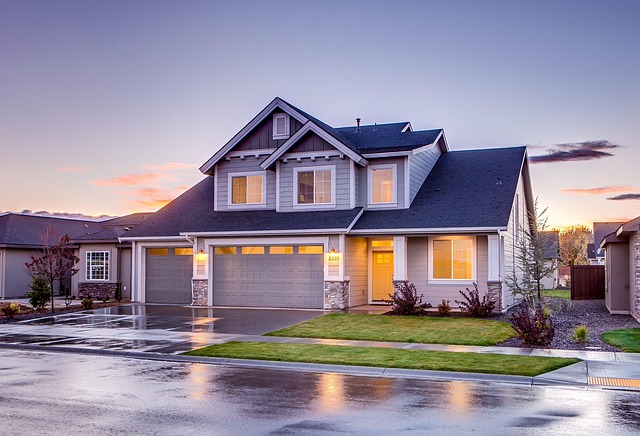
Could Garage House Plans Redefine the Redevelopment of Village Car Dealerships
Village Garage and Car Dealership Could Become Site for New Homes
Village car dealerships are increasingly being replaced by residential developments. The shift is driven by digital car retailing, rising land values, and sustainability goals. As electric vehicles reshape mobility, many rural garages now stand underused. Redeveloping these sites into homes not only revitalizes local economies but also aligns with planning policies that favor brownfield reuse. Garage house plans offer a flexible design approach, merging modern living with energy-efficient infrastructure and preserving the village’s architectural charm.
The Shift From Village Car Dealerships to Residential Redevelopment
The transformation of village car dealerships into housing reflects broader changes in market behavior and environmental priorities. Developers see these sites as opportunities to deliver sustainable homes without expanding into greenfield areas.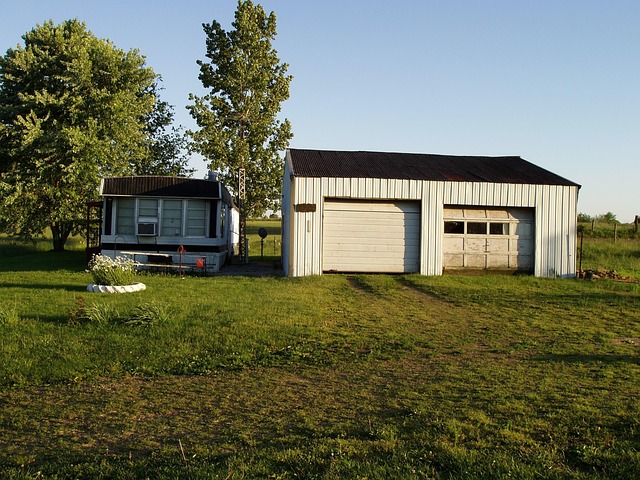
Changes in Consumer Behavior and Digital Car Sales Reduce the Need for Physical Dealerships
Online car sales platforms have reduced reliance on physical showrooms. Buyers now compare models, arrange finance, and even complete purchases entirely online. This digital shift has left many small dealerships unviable, especially in rural settings where foot traffic is limited.
Environmental Policies and Electric Vehicle Adoption Alter the Role of Rural Automotive Spaces
Stricter emission standards and the rise of electric vehicles have changed how service spaces operate. Traditional fuel-based maintenance is declining, while EV charging infrastructure is growing. Many existing garages cannot easily adapt to this new demand, making redevelopment an appealing option.
Land Value Pressures in Villages Drive Interest in Alternative Property Uses
In many UK villages, centrally located dealership plots occupy high-value land. As housing shortages persist, converting these underused sites into residential schemes offers both economic returns and community benefits.
Redevelopment Opportunities in Underused Automotive Sites
Redeveloping former dealerships requires balancing economic feasibility with planning sensitivity. These properties often sit at the heart of communities, making them prime candidates for adaptive reuse.
Former Car Dealerships Offer Prime Central Village Locations for Housing
Dealerships are often positioned along main roads or near village centers, providing excellent access to amenities. Their visibility and connectivity make them ideal for small-scale residential clusters or mixed-use developments.
Existing Infrastructure Such as Access Roads and Utilities Supports Residential Conversion
Most dealership sites already have paved access routes, drainage systems, and utility connections. This reduces upfront development costs compared to new land acquisition on the outskirts of villages.
Planning Authorities Often View Brownfield Redevelopment Favorably for Sustainable Growth
Local planning frameworks typically prioritize brownfield redevelopment over greenfield expansion. This aligns with national sustainability objectives by reducing land consumption and preserving rural landscapes.
The Concept of Garage House Plans in Redevelopment Strategy
Garage house plans represent a bridge between traditional automotive use and contemporary living needs. They allow developers to retain part of a site’s heritage while meeting modern housing standards.
Defining Garage House Plans and Their Architectural Flexibility
Garage house plans integrate living quarters with functional garage areas under one roof. These designs can accommodate workshops or EV charging zones within private dwellings, reflecting changing lifestyles that blend work, mobility, and home life.
Designs Can Accommodate Mixed-use Purposes Such as Workshops or EV Charging Zones
By incorporating flexible layouts, garage house plans serve both personal and community functions—supporting artisans or small businesses while preparing for future electric mobility infrastructure.
Modular Layouts Allow Adaptation to Village-scale Plots and Heritage Contexts
Modular construction methods make it easier to fit new homes into irregular village plots while respecting local architectural character through materials like brickwork or timber cladding.
Architectural Considerations for Repurposing Dealership Sites
Adaptive reuse requires careful integration of existing structures with sustainable design principles that respect local identity.
Retaining Structural Elements Like Showrooms or Service Bays for Adaptive Reuse
Some developers retain steel frames or glazed facades from old showrooms as part of new housing designs—an approach that preserves historical context while reducing waste from demolition.
Incorporating Sustainable Materials and Passive Design Principles Into New Builds
Using recycled materials, natural ventilation strategies, and high-performance insulation reduces carbon emissions throughout a building’s lifecycle.
Aligning Modern Aesthetics With Traditional Village Character to Maintain Community Identity
Architectural harmony is key; blending contemporary detailing with vernacular forms helps new developments feel authentic rather than imposed.
Planning and Regulatory Frameworks for Village Redevelopment Projects
Navigating regulatory requirements ensures that redevelopment projects meet both environmental standards and community expectations.
Navigating Local Planning Policies and Zoning Regulations
Rural councils often encourage redevelopment within existing boundaries instead of permitting sprawl into agricultural land. Developers must address parking ratios, access safety, noise control, and environmental impact assessments before approval.
Developers Must Address Parking Access and Environmental Impact Assessments
These assessments evaluate how construction will affect local ecosystems, traffic patterns, and public services—factors critical in conservation areas where oversight is strict.
Collaboration With Local Councils Ensures Compliance With Conservation Area Guidelines
Early engagement with planning officers helps align proposals with heritage protection policies while expediting approvals through cooperative design revisions.
Sustainability Objectives Within Policy Contexts
Sustainability now shapes every stage of rural redevelopment—from materials selection to renewable energy integration.
Integration of Onshore Wind or Solar Energy Aligns Projects With Net-zero Objectives
Small-scale onshore wind turbines can supplement household energy demand where conditions permit. Combining these systems with solar panels supports grid independence at a local level.
Green Infrastructure Such as Rain Gardens or Permeable Surfaces Supports Biodiversity Goals
Incorporating nature-based solutions mitigates runoff risks while enhancing site ecology—a requirement often supported by national biodiversity strategies.
Energy-efficient Building Standards Improve Long-term Sustainability Metrics
Meeting modern performance benchmarks like EPC A ratings lowers operational costs for residents while contributing to broader decarbonization targets set by government policy frameworks such as the UK’s Future Homes Standard.
Economic and Social Implications of Converting Car Dealerships Into Homes
Redeveloping old garages affects not just property markets but also social cohesion within villages adapting to post-automotive economies.
Economic Viability and Market Demand Analysis
Feasibility studies assess whether conversion or demolition offers better returns based on site condition and housing demand forecasts from regional authorities or real estate data sources like Savills or Knight Frank reports.
Cost-benefit Evaluation of Demolition Versus Adaptive Reuse Strategies
While demolition can simplify design freedom, adaptive reuse often saves structural costs and shortens project timelines when existing foundations remain sound.
Long-term Economic Uplift Through Increased Property Values and Local Spending
New residents bring spending power that supports nearby shops, schools, and services—helping sustain village economies previously reliant on automotive trade activity.
Community Impact and Social Integration Considerations
Redevelopment success depends heavily on maintaining social balance between newcomers and long-term residents.
Balancing New Housing Supply With Preservation of Village Character
Overdevelopment risks eroding charm; sensitive density control keeps projects aligned with traditional streetscapes while addressing genuine housing need rather than speculative profit motives.
Ensuring Affordability to Retain Local Populations Amid Redevelopment Pressures
Including affordable units prevents displacement of younger families who might otherwise be priced out by rising property values following regeneration efforts.
Engaging Residents in Consultation Processes to Enhance Project Acceptance
Transparent dialogue during early planning stages fosters trust, allowing communities to influence layout choices such as green space allocation or traffic management measures.
Integrating Renewable Energy and Modern Infrastructure Into Garage House Plans
Energy resilience plays a central role in future-ready garage house plans designed for redeveloped dealership plots.
The Role of Onshore Wind in Local Energy Strategies
Onshore wind installations at micro-scale can generate supplemental electricity for clusters of homes without visual intrusion when sited sensitively behind tree lines or along ridges outside core settlement zones.
Synergies Between Onshore Wind Systems And Battery Storage Enhance Energy Resilience
Pairing wind generation with battery banks allows consistent power supply despite intermittent weather conditions—a model already adopted across Northern Europe per IEA case studies on distributed renewables.
Planning Alignment Between Renewable Infrastructure And Residential Zoning Is Essential
Coordinating renewable placement during masterplanning avoids conflicts over noise thresholds or shadow flicker concerns common in mixed-use environments near dwellings.
Smart Technologies And Sustainable Mobility Solutions
Technology integration complements renewable systems by improving daily efficiency within garage house plan designs.
Electric Vehicle Charging Integration Within Garage Spaces Supports Future Mobility Trends
Installing smart chargers directly inside garages creates convenience while supporting national EV adoption targets outlined by transport authorities aiming to phase out combustion engines by 2035.
Smart Home Systems Optimize Energy Use Across Heating Lighting And Ventilation Networks
Sensor-driven automation balances comfort with consumption reduction—particularly relevant where renewable output fluctuates seasonally.
Shared Mobility Hubs Can Replace Traditional Dealership Functions With Community Benefit Models
Former forecourts may host shared e-bike docks or car clubs instead of private parking lots—extending accessibility without increasing vehicle dependency among residents.
Design Innovation And Future Outlook For Village Redevelopment Projects
As rural economies evolve beyond automotive dependence, innovation defines how architecture responds sustainably yet locally grounded.
Emerging Trends In Mixed-use Rural Architecture
Hybrid live-work units mirror modern employment flexibility allowing artisanship revival within redeveloped spaces once dedicated solely to vehicles—a symbolic return from machine service back toward human craft production rhythms typical before motorization spread widely mid-20th century.
Compact Design Principles Maximize Land Efficiency While Preserving Open Space Ratios
Smaller footprints free communal gardens enhancing social interaction among residents drawn toward low-impact lifestyles associated with countryside living preferences noted across demographic surveys by RIBA research divisions.
Architectural Innovation Fosters Resilience Against Demographic And Economic Shifts
Flexible layouts capable of later subdivision safeguard long-term adaptability ensuring buildings remain useful through future generational transitions rather than becoming obsolete again within decades as past garages did recently under digital disruption forces transforming retail sectors globally according to OECD urban development analytics reports.
FAQ
Q1: Why are village car dealerships closing?
A: Online car sales reduce physical visits while EV adoption changes service needs; together they make small dealerships less viable economically.
Q2: What are garage house plans?
A: They combine living space with integrated garages suitable for workshops or EV charging within compact residential footprints adaptable to village contexts.
Q3: How does onshore wind fit into these redevelopments?
A: Small turbines provide local renewable energy supporting net-zero aims when paired with storage systems integrated into new housing layouts.
Q4: Are planning authorities supportive of such conversions?
A: Yes; most councils favor brownfield redevelopment over greenfield expansion aligning projects with sustainability mandates already embedded in regional frameworks.
Q5: What benefits do these redevelopments bring communities?
A: They deliver needed homes boost local economies preserve heritage character through adaptive reuse encouraging socially balanced growth across rural settlements.