
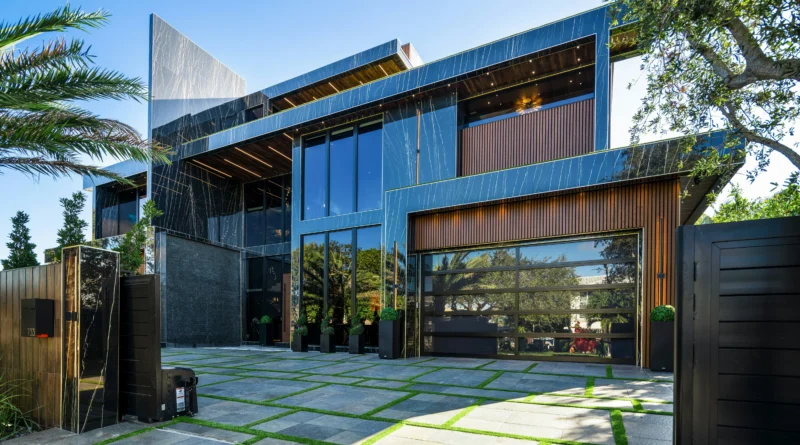
Are Modern Barndominiums Cheaper To Build
Modern barndominiums have turned into a popular choice in home building these days. They mix the simple, old-style look of barns with the cozy feel and smart setup of today’s houses. Lots of land owners and folks building homes like them for the wide-open spaces inside, strong metal frames, and possible money savings. But do they really cost less to put up than regular houses? This piece looks closely at that idea. It breaks down the prices, building supplies, room planning options, and value over many years.
What Makes Modern Barndominiums Appealing?
Barndominiums go beyond just fixing up old barns. They are made from the ground up to join living areas with handy spots like workrooms or car storage. What draws people in is how useful they are and how tough they hold up.
Cost Efficiency Compared to Traditional Homes
The big draw for many is how they save cash. A common modern barndominium relies on a steel frame and metal outer walls. These can run cheaper than using wooden supports. Data from HomeAdvisor (2024) shows the usual price per square foot for a barndominium sits between $70 and $130. Traditional homes often kick off at $150 per square foot or higher. That depends on the details and where you build. The gap comes from easier building steps. There are fewer walls inside. The layouts stay open. And putting it together goes quicker. I remember chatting with a builder in rural Kansas who finished one in just weeks, while a stick-built house next door dragged on for months.
Design Flexibility and Space Utilization
One key plus for modern barndominiums is how you can shape the inside however you want. The big open frame lets you set up rooms without walls that hold up the roof getting in the way. So, you gain freedom in planning. This means making big family rooms, upper levels, or even mixing home life with business spots all in one building. Builders point out that this setup cuts down on fix-up costs down the road. For instance, a family in Colorado turned half into a home office without knocking down a single wall.
Durability and Low Maintenance
Barndominiums with steel frames stand strong for many years. They need little fixing up. The metal outside walls fight off decay, bugs like termites, and fires way better than wood setups. In places with rough weather, such as Texas or Oklahoma, this toughness leads to smaller insurance bills. It also means fewer surprise repair costs later. Think about storms rolling through—metal holds tight, while wood might need patching every season.
How Do Construction Materials Affect the Total Cost?
The stuff you use to build a barndominium really shapes the final bill. Steel stands out for its power. But it touches other parts too, like how you add warmth inside and the costs for nice touches.
Steel Frame Versus Wood Frame
Up front, steel framing costs more than wood. Yet it makes up for that with a longer life and less fixing needed. Wood can bend or split when the air gets damp. Steel stays steady. That said, steel pulls in heat faster than wood. So, you must add good insulation to keep things comfy.
Insulation and Energy Efficiency
How well it saves energy ties right to the insulation you pick. Spray foam works well in modern barndominiums. It fills cracks tight inside the metal body. Sure, spray foam bumps up the building price by about $2–$3 per square foot. But it cuts down on bills for heat and cool air a lot over the years. In hot spots like Arizona, one owner told me their power use dropped by 25% after adding it properly.
Interior Finishing Costs
The outside shell of a barndominium might go up cheap and fast. But picking fancy stuff inside can push the total price up quick. Things like floors, kitchen storage, water pipes, and sink setups all add up. If you watch what you choose, the cost stays lower. Otherwise, it ends up close to a regular home’s price. It’s easy to get carried away with shiny countertops, but sticking to basics keeps the budget in check.
Are Land Preparation And Utilities More Affordable?
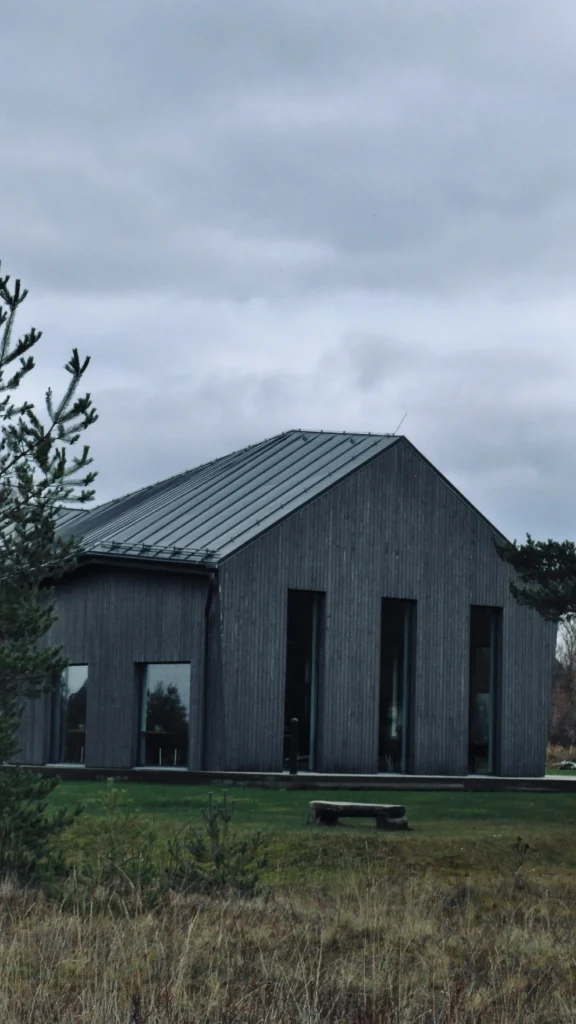
Getting the land ready often catches new builders off guard with extra fees. Things like leveling the ground or setting the base can add up fast.
Site Preparation Requirements
Barndominiums mostly need a level spot for a flat concrete base. If your land slopes a lot or the dirt shifts, you might spend big on smoothing it out or making the soil steady. Those outlays can eat into the easy savings from straightforward building ways.
Foundation Options And Costs
Most modern barndominiums go with concrete slab foundations. They handle the weight of steel frames well. A simple slab runs about $6–$10 per square foot on average across the U.S. in 2023. Basements don’t show up much. They add too much hassle. But if your ground allows it, the cost could jump to twice as much based on the dirt quality. I’ve seen projects in rocky areas where skipping a basement saved thousands.
Utility Installation Expenses
Setting up water sources, waste systems, and power wires costs the same for traditional homes and barndominiums. This holds true on open country land. So, these parts don’t bring big savings. Unless you already have lines or setups there, of course. In remote spots, digging for a well might feel like a chore, but it’s standard no matter the build type.
Does DIY Construction Reduce Overall Expenses?
A number of homeowners think about handling some building work on their own. They hope to trim costs that way.
Kit-Based Building Packages
Companies offer ready-made barndominium kits. These come with parts cut just right and guides on how to put them together. Such kits can drop labor bills by as much as 30%. Still, you need pros for water lines, electric work, and checks to meet rules. It’s like getting a head start on a puzzle, but the tricky bits call for experts.
Labor Savings And Skill Requirements
Having know-how in building or friends who do steel work helps a ton. You can skip paying full price for hired hands. Labor often makes up 30–40% of the whole job in usual home projects. So, cutting that feels good. But it takes real skills to avoid headaches.
Potential Risks Of DIY Projects
Going the DIY route has downsides. You might set things up wrong. Or fail checks because they don’t follow local rules. Then, fixing errors costs more than you saved at first. One guy I know in Missouri had to redo his wiring after an inspection flop. It turned a cheap project into a pricey lesson.
How Do Location And Market Conditions Influence Price?
Where you build stays a top factor in any project’s wallet hit. That includes modern barndominiums too.
Regional Material Prices
Steel costs change by area. It depends on how far it travels from factories. In places like Texas, where metal builds are everyday, supplies run lower. Local spots keep prices down. But in beach areas, hauling it in adds extra bucks. Freight fees can surprise you if you’re not checking maps first.
Labor Market Variations
Pay for workers differs a lot state to state. Out in the sticks, rates sit lower. But finding crews who know metal work is tough. That might stretch the job time. Or bring in fees for folks coming from afar. In busy cities, skilled hands cost more, but they’re easier to grab.
Local Building Codes And Permits
Rules vary by county. Some see barndominiums as farm sheds. Others call them full homes with tight standards. Fees for okay slips go from $1,000 to $10,000. That comes from the U.S. Census Bureau Building Permit Survey 2023. Always call the local office early to dodge fines or delays.
What Are The Long-Term Financial Benefits?
Looking far ahead often shows if a modern barndominium really pockets savings over full decades. Not just in the building phase.
Lower Maintenance Over Time
Metal roofs on these hold up 40–60 years. Asphalt ones last about 20 on average, per the National Roofing Contractors Association. Fewer swaps mean less spending through the home’s life. Plus, no climbing ladders every few years beats the hassle.
Energy Savings From Efficient Design
The wide-open insides let air move freely. Add sealed panels and windows that save power, and you use less for warmth or chill. This shines in places with wild weather swings. Bills drop steady. A couple in the Midwest shared how their setup kept cozy winters without cranking the heat full blast.
Resale Value Trends
Values for barndominiums when selling have climbed steady since 2018. More buyers want these special country homes with roomy, do-it-all areas, says the Zillow Market Data Report 2024. Their fresh look now pulls in everyday folks, not just a small crowd. In growing suburbs, they sell quick and hold price well.
FAQ
Q1: What Is The Average Cost Per Square Foot For A Modern Barndominium?
A: It typically ranges between $70–$130 per square foot depending on finishes and region (HomeAdvisor 2024).
Q2: Can You Get A Mortgage For A Barndominium?
A: Yes, but lenders may require additional documentation since some classify them as non-traditional homes; using an appraiser familiar with metal buildings helps streamline approval.
Q3: Are Barndominiums Energy Efficient?
A: When properly insulated using spray foam or rigid panels, they can be highly energy efficient due to airtight sealing within the metal shell structure.
Q4: How Long Does It Take To Build One?
A: Average build time ranges from 4–6 months depending on weather conditions and contractor availability—faster than most traditional home builds which take 8–12 months.
Q5: Do They Appreciate In Value Like Regular Homes?
A: Yes; appreciation rates increasingly align with conventional homes as consumer awareness grows and financing options expand across markets nationwide (Zillow Report 2024).