
How to Create a Smart and Efficient House Design
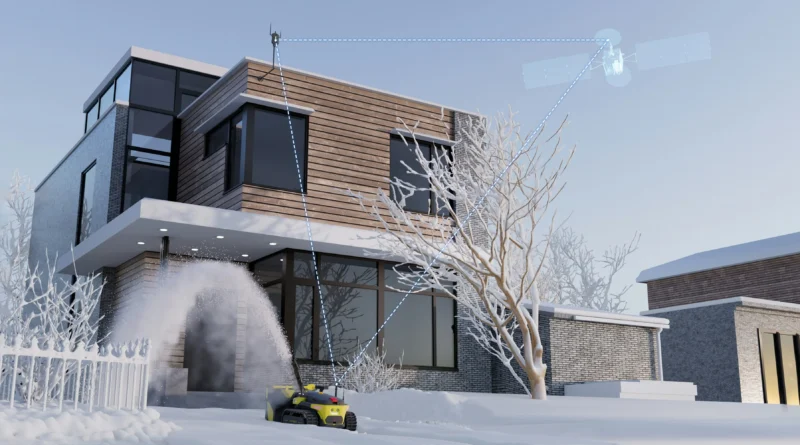
Building a house these days goes beyond just setting up rooms and picking out stuff to use. It means making a place to live that fits your daily habits, cuts down on power use, and thinks ahead to what you might need later. A clever and practical house plan mixes good looks with real usefulness. It brings in tech and green ideas to make everyday life smoother and nicer. This piece looks at ways to plan, set up, and polish your home setup for smarts and good use of resources.
What Defines a Smart House Design?
A smart house plan weaves in today’s tech with building ideas to boost ease, safety, and power saving. It does not stop at gadgets. It covers the whole setup of the home. This includes how rooms are laid out and how lights work. All of it helps living flow without hitches.
Integration of Smart Technology
Smart tech makes up the main support for a wise home. Things like auto thermostats, light setups, and voice helpers let you handle your surroundings with less effort. For example, sensors that spot movement can change lights when someone is there. Smart thermostats pick up on your patterns and set the heat on their own. The main point is to avoid filling your place with too many items. Instead, pick linked systems that really add to your comfort. I recall a family who added just a few of these, and it made their mornings so much easier—no more fumbling for switches in the dark.
Energy Efficiency as Core Principle
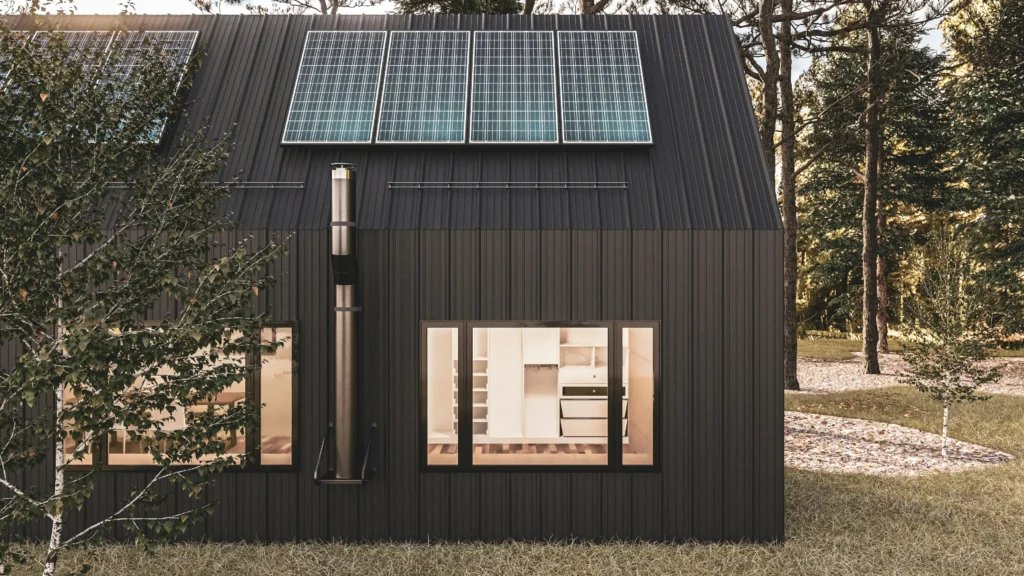
Designs that save energy do more than lower your bills. They help the planet too. Bringing in daylight with smart-placed windows or roof lights cuts the need for fake lights. Walls with good insulation and windows with two layers of glass stop heat from escaping in cold times. They also keep things cool when it’s hot outside. Solar panels show up a lot in fresh builds now. They trim costs over years and aid green aims. Think about how in sunny spots like California, folks save up to 50% on power with these setups, based on real homeowner stories.
Adaptability for Future Living
A solid smart home looks forward to shifts in life. Rooms that can switch uses are key. For instance, a spare bedroom might turn into a work spot. The wiring should make adding new tech simple. Furniture that shifts or walls that move also let you change areas without big fixes. This flexibility matters as families grow or jobs change—I’ve seen homes where a simple partition turned a playroom into a study overnight.
How Can Spatial Planning Improve Efficiency?
How you plan the space decides how well the house uses every bit of room. A good plan cuts out useless spots. It also betters the way people move between areas.
Open Layouts for Better Flow
Open-style plans stay in favor because they link living, eating, and cooking spots with clear views. This setup boosts chats among people and lets sunlight spread deeper inside. But noise control matters here. Soft things like floor rugs or hanging cloths can soften sounds in big open spots. In my view, these designs feel more welcoming, like in cozy family gatherings where everyone can join in without walls blocking the fun.
Zoning for Privacy and Functionality
Splitting the house into clear zones—open spots for guests, quiet ones for sleep, and work areas like kitchen or wash room—sorts out daily tasks in a sensible way. Putting sleep rooms far from loud spots helps with better rest. Also, keeping rooms that need pipes close together saves money on building. It’s a practical trick that builders often share from years of projects.
Optimized Circulation Paths
Good paths for moving around mean shorter halls and no dead spots. Paths ought to be straight but not in the way. They let folks go from room to room smoothly. This avoids messing up where furniture sits or blocking views. Short walks save time, especially in busy homes with kids running about.
Why Is Sustainable Material Selection Important?
What you pick for materials shapes how long things last, how comfy it feels, and how it affects the earth in house plans.
Eco-Friendly Building Materials
Green materials like bamboo for floors or wood that’s reused lessen harm to nature. They add a unique touch too. Paints with low VOC keep inside air clean by cutting bad fumes. Getting materials from nearby spots also drops carbon from shipping. For example, using local stone in a backyard patio not only looks great but supports nearby workers, as many eco-builders note.
Thermal Performance Materials
Top insulation stuff like cellulose or foam that’s sprayed holds steady temps inside all year. It pairs well with tight building methods to cut heating and cooling needs by a lot. In colder areas, this can mean bills drop by 20-30%, drawing from common industry reports.
Durability and Maintenance Factors
Picking strong finishes—such as stone for counters or metal for roofs—lowers upkeep costs down the line. Good design thinks about lasting power. Fewer swaps mean less trash over time. It’s like choosing a sturdy bike that rides for years without constant fixes.
How Does Lighting Influence Smart House Design?
Lights do jobs that are useful and also affect how spaces feel on an emotional level.
Natural Light Maximization
Placing windows in wise spots grabs daylight all day. It cuts down on bright spots that bother eyes. In places with cool weather, windows facing south catch more sun warmth in winter. Shades block too much heat in summer. This simple step can brighten moods, much like how a sunny kitchen makes cooking more enjoyable.
Layered Artificial Lighting
Mixing main lights, work lights, and highlight lights makes setups that fit various tasks. Smart bulbs let you tweak color warmth. Warm for chilling out, cooler for work focus. You control them with phone apps or auto systems. It’s handy for late-night reading without harsh glare.
Energy-Saving Lighting Systems
LED lights use up to 75% less power than old bulbs (U.S. Department of Energy report, 2023). Adding sensors that sense movement turns lights off when no one’s around. This small tweak brings big savings each year. Many homes see their light bills halve with this change alone.
What Role Does Technology Play in Daily Comfort?
Tech changes how you deal with your living space. It handles boring chores on its own and boosts safety.
Automated Climate Control Systems
Smart systems for heat and air watch dampness and tweak air flow based on who’s home. Some even check weather outside to adjust inside before changes hit. This keeps things steady, like avoiding stuffy afternoons after a hot day.
Home Security Integration
New plans often have linked cameras, door watchers, and locks you control from afar with phones. These give calm without hurting the look, as parts now blend into the build smoothly. It’s reassuring for parents leaving kids home briefly.
Voice-Controlled Ecosystems
Helpers like Alexa or Google Home pull together control for many things. From shades to fun setups, they make use easy. Even folks not big on tech find it straightforward. Voice commands feel natural, like chatting with a helpful friend.
How Can Interior Layout Affect Energy Use?
Where rooms sit changes how well heat, cool air, and lights work over the day.
Passive Solar Orientation
Aiming living areas at the sun’s way brings in warmth when it’s cold. Roof edges block extra heat in hot times. This idea, called passive solar design, caught on after the 1970s energy crunch (source: U.S. National Renewable Energy Laboratory). Homes in the Southwest use it to stay cozy without cranking the heat.
Compact Footprints Reduce Losses
Tighter floor plans lose less warmth through sides and tops than spread-out ones with the same space. Being compact often means cheaper to build too. A 1,500-square-foot home might cost 15% less than a rambling one, per builder insights.
Cross Ventilation Design Strategy
Setting windows on facing walls lets breezes flow through naturally. This cools without fans. It’s great in warm, wet areas where power can flicker. In places like Florida, this keeps homes fresh during humid summers.
FAQ
Q1: What is the first step when planning a smart house design?
A: Begin by figuring out what your life needs. Then pick tech. Knowing your routines helps focus on systems that aid comfort or cut power use most.
Q2: Are smart homes expensive to build?
A: Upfront costs might run higher for wiring or auto parts. But savings on bills usually cover that in a few years. It’s a smart investment for the long haul.
Q3: Which sustainable material offers best insulation value?
A: Spray foam gives one of the top R-values per inch in green choices. It keeps seals tight against wet spots too.
Q4: Can existing houses be converted into smart homes?
A: Sure. Adding wireless items like smart plugs or thermostats lets you update bit by bit. No need for a full redo.
Q5: How does good spatial planning improve mental well-being?
A: Smart layouts cut messy paths that clutter the mind. They build calm views that help relax or concentrate. It’s like clearing mental space in a busy world.