

Empire State Building architectural style and its Art Deco design
What architectural style is the Empire State Building?
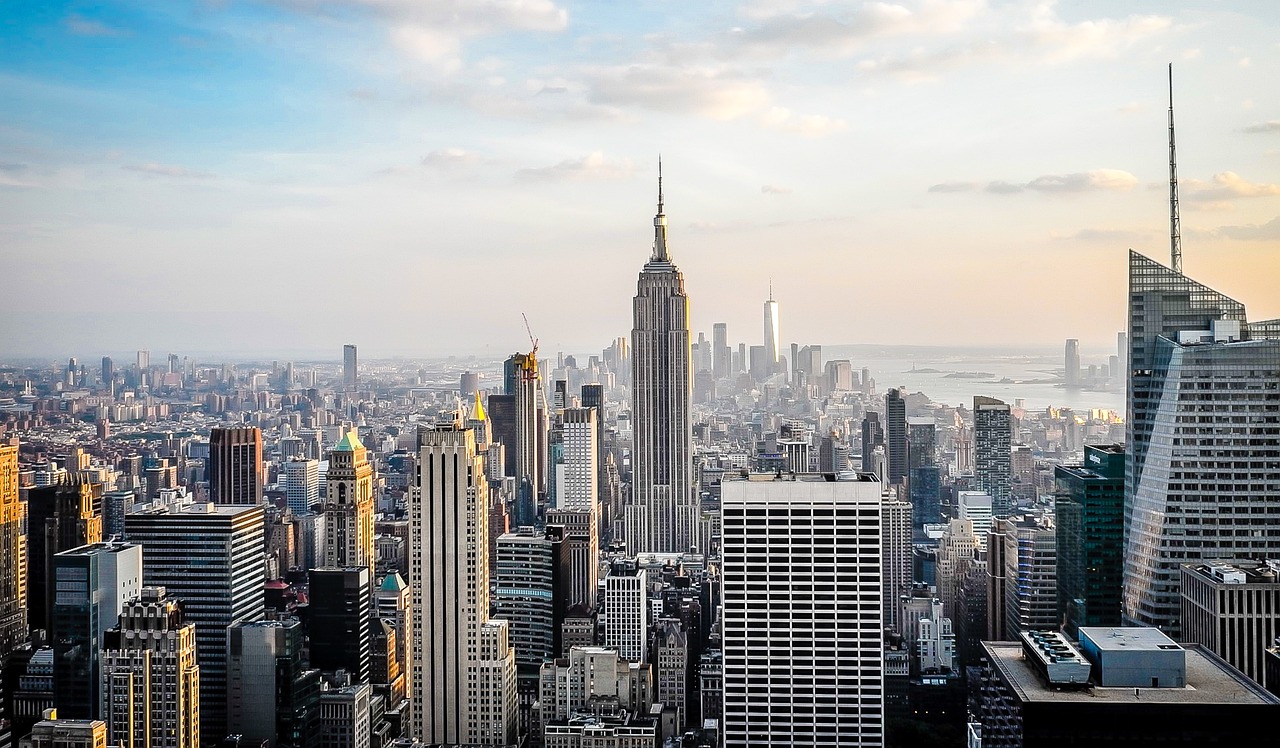
The Empire State Building architectural style is Art Deco, more specifically the streamlined skyscraper expression often grouped with Moderne architecture. Designed by Shreve, Lamb & Harmon and opened on May 1, 1931, the tower combines geometric ornament, strong vertical lines, stepped massing, metal detailing, and a carefully staged sense of upward movement.
It is not Gothic, Beaux-Arts, or International Style, although it shares the height-driven ambition of earlier New York towers and the functional clarity later associated with modern office design. Public landmark records, including National Park Service documentation and New York City Landmarks Preservation Commission materials, identify the building as Art Deco.
Its importance is not based on decoration alone. The style comes from the way structure, zoning rules, office economics, materials, and symbolic height were brought into one clear architectural image.
For more guides to architectural movements and categories, visit the Building Styles section.
Quick facts for design readers
| Topic | Detail |
|---|---|
| Primary style | Art Deco, with Moderne skyscraper characteristics |
| Architects | Shreve, Lamb & Harmon |
| Construction period | 1930 to 1931 |
| Official opening | May 1, 1931 |
| Stories | 102 stories |
| Height commonly cited today | 1,454 feet to the pinnacle |
| Key exterior language | Stepped setbacks, vertical window bands, limestone, metal spandrels, stylized ornament |
| Landmark status | New York City landmark, National Register listing, and National Historic Landmark recognition |
The Art Deco features that define the tower
Setbacks and vertical momentum
The Empire State Building is often remembered as a tall, simple silhouette, but its form is carefully tiered. A broad base rises from Fifth Avenue and the side streets, then the tower steps back at several levels before narrowing toward the mast. These setbacks are not random decoration. They create a tapered profile that makes the building read as if it is accelerating upward.
This is one of the clearest ways the building expresses Art Deco skyscraper design. Instead of depending on historical columns, pediments, and heavy cornices, the tower uses massing and rhythm. Vertical window strips, metal spandrels, and narrow piers pull the eye up the façade. The result is an architectural image suited to the machine age, the elevator age, and the skyline age.
Materials and surface detail
The exterior is restrained compared with some other Art Deco landmarks, but it is not plain. The limestone tower, aluminum spandrels, chrome-metal storefronts, black granite accents, and stylized entrance details create a modern commercial identity. The Fifth Avenue entrance, with its strong vertical composition and geometric ornament, presents the tower as both a business address and a civic monument.
Art Deco often used rich materials to give modern buildings a sense of luxury. The Empire State Building does this without relying on dense surface pattern. Its ornament is concentrated where people see the building close up: entrances, storefronts, elevator areas, and the lobby. At skyline scale, the ornament gives way to massing and silhouette.
The lobby as a concentrated Art Deco interior
The lobby shows the decorative side of the style more directly than the upper office floors. Marble, metalwork, geometric motifs, stylized imagery, and the well-known building silhouette mural create an interior that feels ceremonial rather than merely functional. Its visual language links the tower to early 20th-century ideas of industry, steel, light, speed, craft, and metropolitan ambition.
This distinction matters when reading the building. The exterior is an Art Deco skyscraper shaped by mass and vertical lines; the lobby is Art Deco as material spectacle. Together, they explain why the building can feel both efficient and theatrical.
How zoning and office planning shaped the style
The Empire State Building’s form was strongly influenced by New York’s 1916 Zoning Resolution. That zoning system encouraged tall buildings to step back as they rose, allowing more light and air to reach the streets. Many New York skyscrapers of the 1920s and early 1930s adopted this stepped profile, sometimes described as a wedding-cake form. In the Empire State Building, the setbacks feel unusually disciplined because they reinforce a simple, symmetrical, upward-reading tower.
Commercial planning was just as important. The building was designed as a speculative office tower, so rentable floor area, elevator organization, daylight access, and construction speed all mattered. The planning logic was practical: a compact central service core, office space around it, and floor plates that shrink as the building rises.
In that sense, the Art Deco appearance was not applied to an unrelated structure. The look grew from the business model of the skyscraper. The building remains a useful case study because it shows that architectural style is not only surface treatment. In this tower, geometry, materials, circulation, zoning response, and symbolic program all point in the same direction.
Why it looks different from the Chrysler Building
The Empire State Building and the Chrysler Building are both New York Art Deco icons, but they represent different versions of the style. The Chrysler Building, completed in 1930 and designed by William Van Alen, is more flamboyant. Its crown, stainless-steel arches, automotive ornament, and dramatic gargoyles make it a highly decorative tower. See also: Building Layout.
The Empire State Building is more restrained, corporate, and monumental. Its power comes from proportion, height, and repetition rather than from a single spectacular crown. The mast is memorable, but it is visually integrated into a long vertical composition. If the Chrysler Building is Art Deco as theatrical branding, the Empire State Building is Art Deco as disciplined urban presence.
This difference helps explain why readers sometimes ask what the Empire State Building’s architectural style really is. It has fewer obvious ornamental flourishes than some Art Deco buildings, so its style is easier to read through form: setbacks, vertical emphasis, metal detailing, stylized entrances, and a modern silhouette.
Architecture timeline and significance
| Date | Architectural relevance |
|---|---|
| July 25, 1916 | New York adopted the zoning framework that shaped the setback profiles of many later skyscrapers. |
| March 17, 1930 | Construction began during the late phase of the 1920s skyscraper boom. |
| May 1, 1931 | The building officially opened as a 102-story office tower. |
| 1950s | Broadcast antenna changes altered the upper profile while preserving the tower’s recognizable vertical silhouette. |
| 1981 | New York City landmark designation recognized the architectural and cultural importance of the exterior and major interior spaces. |
| 1982 and 1986 | The building was listed on the National Register of Historic Places and later recognized as a National Historic Landmark. |
| 2000s | Restoration and modernization programs renewed important Art Deco features while adapting the building for contemporary performance expectations. |
The timeline shows that the Empire State Building’s architectural value did not end with its record height. It became significant as a design model, a tourist landmark, a preservation subject, and a retrofit case. Its long life also demonstrates a central challenge for historic skyscrapers: how to protect a famous design while updating elevators, windows, mechanical systems, lighting, and visitor circulation.
What the style means for architecture today
The Empire State Building remains relevant because it works at several scales. From miles away, the silhouette is immediately recognizable. From the street, the base, entries, and storefront rhythm give the huge tower a human point of contact. Inside, the lobby turns arrival into an architectural event.
For contemporary designers, the lesson is not to copy Art Deco ornament. The stronger lesson is integration. The tower’s identity comes from coordinated decisions: zoning response, structural ambition, office planning, façade rhythm, material contrast, and symbolic crown. Many tall buildings have height; fewer have such a clear hierarchy from sidewalk to skyline.
For readers comparing architectural styles, the Empire State Building is a reminder that Art Deco was not only about zigzags, sunbursts, and decorative panels. In skyscrapers, it was also about verticality, speed, modern industry, and the transformation of city identity through height.
Frequently asked questions
Is the Empire State Building Art Deco?
Yes. The Empire State Building is widely classified as Art Deco. Its stepped massing, vertical window bands, geometric ornament, metal details, and stylized lobby all support that classification.
Who designed the Empire State Building?
The building was designed by the architectural firm Shreve, Lamb & Harmon. William F. Lamb is generally associated with the principal design work within the firm.
Why does the Empire State Building have setbacks?
The setbacks reflect both New York zoning and architectural composition. The 1916 zoning rules encouraged upper floors to recede so light and air could reach the street, while the architects used those setbacks to create a powerful vertical silhouette.
Is the Empire State Building the same style as the Chrysler Building?
Both are Art Deco skyscrapers, but they express the style differently. The Chrysler Building is more ornamental and theatrical, while the Empire State Building is more restrained, symmetrical, and commercially monumental.
Why is the Empire State Building still architecturally important?
It remains important because it combines landmark Art Deco design with engineering ambition, urban symbolism, preservation value, and a clear skyline identity. Its style is not just decorative; it is built into the tower’s form, planning, and public image.