
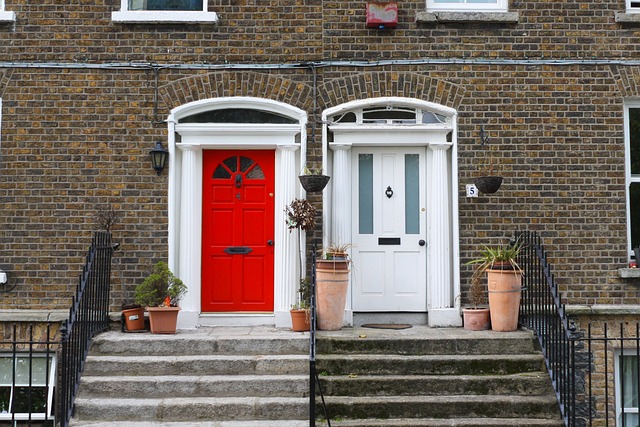
Is Georgian Building Style Defining Modern Luxury in Northern Ireland Homes
Wall Street Giant Blackstone Plans To Bankroll Construction of 50,000 New For-Sale Homes
Blackstone’s plan to fund the construction of 50,000 for-sale homes marks a pivotal shift in institutional housing investment. The firm is moving beyond its traditional rental portfolio toward ownership-based developments, signaling confidence in long-term housing demand. This initiative blends financial scale with architectural strategy, focusing on design efficiency and market-responsive aesthetics such as the modern farmhouse style. The approach underscores how financial institutions are reshaping suburban landscapes by aligning investor objectives with evolving consumer preferences and sustainable building practices.
Blackstone’s Large-Scale Housing Initiative
Blackstone’s massive housing initiative is not just a real estate project; it represents a structural change in how institutional capital interacts with residential markets. The company’s focus on for-sale homes rather than rentals reflects a calculated response to demographic shifts and affordability pressures.
Overview of the 50,000 Home Construction Strategy
The investment objective behind this plan is diversification within the residential sector. By developing for-sale homes, Blackstone aims to capture appreciation potential and reduce exposure to fluctuating rental yields. The decision also aligns with rising consumer demand for ownership among millennials entering their prime home-buying years. Geographic targeting favors high-growth regions across the Sun Belt and suburban corridors where population inflows and job creation remain robust. These areas offer lower land costs and faster permitting processes, which help maintain project feasibility at scale.
The Rationale Behind Targeting For-Sale Homes Rather Than Rental Units
For-sale housing provides liquidity advantages that large rental portfolios cannot easily match. Investors can exit selectively through phased sales rather than managing ongoing lease cycles. Moreover, homeownership models appeal to municipalities seeking stable tax bases and community engagement, making local approvals smoother. This shift also mirrors broader industry trends where institutional players diversify into build-to-sell formats to balance their exposure between recurring income and capital gains.
Geographic and Demographic Considerations Influencing Site Selection
Site selection emphasizes proximity to employment hubs while maintaining affordability thresholds for middle-income buyers. Suburban regions near secondary cities—such as Austin, Charlotte, or Nashville—fit this profile well. These markets combine infrastructure readiness with strong household formation rates, offering both scalability and resilience against cyclical downturns.
The Role of Design Efficiency in Institutional Housing Projects
Design efficiency has become a critical factor in institutional homebuilding because it directly affects cost control and delivery speed. Standardization allows developers to execute thousands of units without compromising quality or brand identity.
How Standardized Design Impacts Construction Timelines and Cost Management
Standardized floor plans shorten design approval times and simplify procurement logistics. Builders can pre-negotiate material contracts based on consistent specifications, lowering per-unit costs by up to 15%. In addition, repetition across sites enables contractors to refine workflows, reducing construction errors and delays.
Balancing Architectural Diversity With Scalability in Mass Housing Projects
While uniformity drives efficiency, excessive repetition risks visual monotony that can hurt market perception. Developers often introduce façade variations or alternate color palettes within standardized frameworks to preserve neighborhood character. This balance between efficiency and individuality ensures projects remain both profitable and appealing.
Implications for Long-Term Asset Performance and Resale Value
Homes built under standardized yet flexible design systems tend to retain value better due to predictable maintenance profiles. Consistent material quality reduces long-term upkeep costs, benefiting both initial buyers and secondary-market investors seeking stable assets.
The Emergence of Modern Farmhouse Architecture in Residential Development
Among contemporary housing typologies, the modern farmhouse has emerged as a dominant aesthetic across suburban America. Its combination of simplicity, warmth, and functionality resonates with diverse buyer demographics.
Defining the Modern Farmhouse Aesthetic
The modern farmhouse blends rustic charm with clean contemporary lines. Hallmarks include open layouts that foster family interaction, natural materials like wood and stone, and transitional styling that bridges traditional forms with modern finishes. This hybrid approach creates spaces that feel timeless yet current—a key reason for its wide acceptance among mid-market consumers searching for authenticity without sacrificing convenience.
How Modern Farmhouse Design Blends Rural Charm With Contemporary Functionality
By integrating large windows, neutral palettes, and practical floor plans, this style adapts rural sensibilities to urban lifestyles. It brings tactile warmth into streamlined architecture—a mix particularly suited for today’s suburban developments where buyers seek comfort alongside sophistication.
Market Appeal Across Suburban And Semi-Rural Buyer Segments
The broad appeal lies in its adaptability: young families appreciate its livability; downsizers value its simplicity; investors recognize its resale strength. In many new communities featuring a floor plan modern farmhouse layout, absorption rates often outpace comparable conventional designs due to perceived emotional value combined with functional space planning.
Why Developers Favor the Modern Farmhouse Concept
Developers gravitate toward this style not only for aesthetics but also for its economic logic within scalable construction models.
Cost-Effective Design Elements That Align With Mid-Market Consumer Preferences
Simplified rooflines, board-and-batten siding alternatives, and open interior volumes minimize complex framing requirements while maintaining visual richness. These elements cut material waste yet deliver high perceived quality—a sweet spot for cost-conscious builders addressing middle-income segments.
Flexibility of Floor Plans Suitable for Varied Lot Sizes And Regional Codes
Modern farmhouse layouts adapt easily across different lot configurations—from compact suburban parcels to expansive semi-rural tracts—without losing coherence. Modular footprints allow compliance with regional zoning variations while preserving brand consistency across multiple markets.
Compatibility With Sustainable Building Materials And Energy-Efficient Systems
Sustainability integrates naturally into this typology through use of recycled timber accents or metal roofing compatible with solar arrays. Energy-efficient HVAC systems blend seamlessly within open-plan interiors designed for cross ventilation and daylight optimization.
Floor Plan Strategies for Scalable Modern Farmhouse Communities
Translating design philosophy into scalable execution requires precise architectural strategies that prioritize spatial efficiency without diluting lifestyle appeal.
Key Architectural Components Driving Efficiency
Before delving into specific elements such as open layouts or modular principles, it’s important to note that each component contributes simultaneously to operational savings and buyer satisfaction—two metrics central to institutional viability.
Open Concept Layouts And Spatial Optimization
Open concept configurations eliminate unnecessary walls, increasing perceived space without enlarging footprints. Natural light penetration improves energy performance by reducing daytime lighting needs while enhancing occupant well-being—an increasingly marketable attribute in post-pandemic home design.
Modular Design Principles in Farmhouse Construction
Prefabricated wall panels or truss systems accelerate assembly phases by standardizing dimensions across units. Bulk procurement of identical components minimizes waste streams while stabilizing supply chain pricing during volatile commodity cycles.
Integration of Smart Home Infrastructure
Embedding IoT-ready wiring during early construction phases future-proofs homes against rapid technological evolution. Buyers gain immediate connectivity benefits while investors secure higher resale margins through built-in digital adaptability—a growing expectation among tech-savvy homeowners.
Alignment Between Investor Objectives And Design Trends
Institutional investors like Blackstone must reconcile financial discipline with consumer-driven design dynamics—a delicate equilibrium shaping next-generation housing portfolios.
Balancing Aesthetic Appeal With Institutional ROI Metrics
Uniform design reduces maintenance variability across large holdings, lowering operational risk profiles. However, maintaining sufficient differentiation ensures liquidity when selling individual units into retail markets where emotional appeal drives pricing flexibility.
Assessing Consumer Demand Elasticity Relative To Architectural Trends
Architectural preferences evolve cyclically; therefore developers monitor absorption data closely to calibrate product offerings without overcommitting capital toward transient styles. The modern farmhouse currently exhibits strong elasticity due to its cross-demographic resonance from first-time buyers to retirees seeking downsized comfort.
The Influence of Design on Community Perception And Marketability
Cohesive visual identity strengthens neighborhood branding which directly influences resale velocity and homeowner satisfaction levels—factors critical for sustaining portfolio reputation over multiple investment cycles.
Potential Challenges in Implementing a Unified Design Framework at Scale
Scaling uniform design concepts nationwide introduces operational friction points tied to geography, regulation, and resource availability that require adaptive management strategies rather than rigid replication models.
Regional Adaptation Requirements For Modern Farmhouse Plans
Climate responsiveness demands modifications such as deeper eaves in hotter zones or reinforced insulation in colder regions while adhering to local codes governing wind resistance or seismic stability—all without eroding stylistic coherence central to brand recognition.
Incorporating Regional Architectural Nuances Without Compromising Brand Consistency
Subtle adaptations like brick accents in Southern states or stone bases in Mountain regions enable cultural alignment while retaining overarching farmhouse cues recognizable across markets—a tactic balancing authenticity with scalability.
Supply Chain Constraints And Labor Considerations
Material sourcing remains vulnerable; reclaimed wood or specialty metal finishes often face regional shortages requiring flexible substitution standards approved during early design phases. Additionally, ensuring labor familiarity with farmhouse detailing becomes essential since craftsmanship quality directly impacts buyer perception at closing stages.
Future Outlook: Could Floor Plan Innovation Define Institutional Homebuilding?
As technology converges with finance-driven development models, innovation within residential floor planning may become the defining competitive edge among institutional builders over the next decade.
The Evolving Relationship Between Finance, Design, And Consumer Demand
Investor-backed developments increasingly dictate suburban form by emphasizing replicable yet desirable housing typologies supported by data analytics guiding lot orientation or amenity placement decisions—transforming traditional builder intuition into quantifiable strategy frameworks potentially enhanced by AI-assisted generative tools optimizing spatial layouts dynamically during preconstruction phases.
Long-Term Implications For The U.S. Housing Market Structure
Widespread adoption of scalable modern farmhouse designs could recalibrate pricing tiers by expanding mid-range inventory supply while pressuring smaller builders reliant on bespoke custom workforces. Over time this may influence zoning flexibility debates as municipalities adapt policies encouraging master-planned communities blending affordability targets with cohesive architectural identities rooted in proven consumer appeal patterns exemplified by the floor plan modern farmhouse model.
FAQ
Q1: Why is Blackstone focusing on building for-sale homes instead of rentals?
A: Because it allows greater liquidity through phased sales while capturing capital appreciation potential absent from long-term rental holdings.
Q2: What makes the modern farmhouse style attractive for large-scale developers?
A: It balances cost efficiency with broad market appeal using simple forms adaptable across various lot sizes without losing charm or functionality.
Q3: How does modular construction support scalability?
A: Prefabricated components streamline production timelines and stabilize costs through bulk purchasing efficiencies essential at high volume output levels.
Q4: Are smart home features standard in these developments?
A: Yes; most new builds integrate IoT-ready systems from inception enhancing both user experience and asset valuation longevity.
Q5: What challenges might arise when applying one design nationwide?
A: Regional climate differences, code variations, material shortages, and labor skill disparities all require localized adjustments within standardized frameworks.