
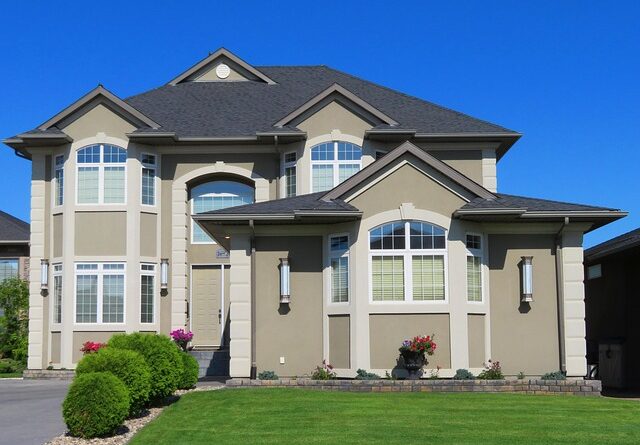
What Makes a Modern 2 Story House a Smart Choice for Today’s Buyers
Looking to Buy a New Home? These Are the Most Popular House Styles to Know
Modern architecture has reshaped how homes are designed, built, and lived in. Among today’s most sought-after styles, the modern 2 story house stands out for its balance of form, function, and sustainability. Its clean geometry, open interiors, and integration of smart technologies make it ideal for urban living. Buyers value these homes not just for their aesthetics but also for their adaptability and long-term investment potential.
Architectural Characteristics of a Modern 2 Story House
The appeal of a modern 2 story house lies in its architectural clarity and efficient use of space. It reflects a design philosophy that prioritizes simplicity, sustainability, and livability over ornamentation.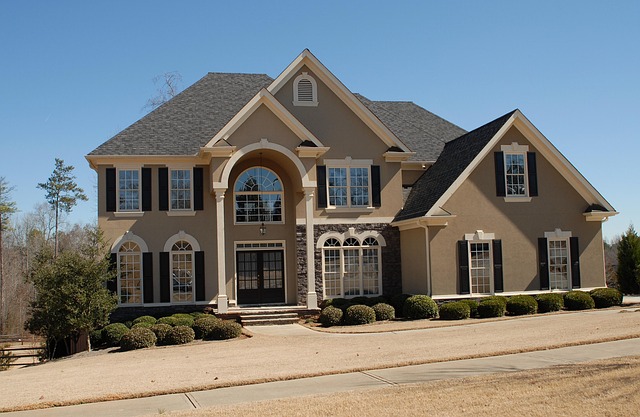
Defining Elements of Modern Architecture
A modern 2 story house is typically defined by clean lines, open layouts, and minimalist design principles. Large windows and glass walls bring in natural light while connecting indoor spaces with outdoor surroundings. Materials such as steel, concrete, and recycled wood are favored for both durability and environmental responsibility. The flat roofs and geometric forms commonly seen in these homes emphasize structure over decoration.
Functional Design Across Two Levels
Two-story configurations naturally separate public areas like the living room and kitchen from private zones such as bedrooms or offices upstairs. This zoning enhances privacy while maintaining flow between spaces. Optimized floor plans balance visual appeal with everyday practicality—kitchens often open to dining areas for social interaction while staircases become sculptural elements rather than mere transitions. Vertical space utilization allows homeowners to maximize smaller lots without compromising comfort.
Spatial Efficiency and Lifestyle Adaptability
Modern homes must serve multiple purposes—workplace, retreat, and social hub—all within limited footprints. The modern 2 story house meets this challenge through thoughtful spatial planning that adapts to changing lifestyles.
Maximizing Space in Urban Environments
In dense urban settings where land is scarce, two-story layouts provide more living area on smaller plots. The vertical design supports multi-generational living by stacking functions rather than expanding outward. Efficient zoning allows flexible use: a ground-floor guest suite can double as an office or studio when needed. This adaptability appeals to professionals balancing remote work with family life.
Adapting to Changing Family Needs
Families evolve over time, and so should their living spaces. Modular room configurations allow easy reorganization—what begins as a nursery might later serve as a study or fitness room. Open-plan living areas effortlessly shift between entertainment and relaxation modes depending on occasion or mood. Smart storage solutions keep clutter hidden while maintaining the minimalist aesthetic central to modern design.
Energy Efficiency and Sustainable Building Practices
Sustainability is no longer optional—it defines the modern home market. A well-designed modern 2 story house incorporates both active technologies and passive strategies to minimize energy use.
Incorporating Eco-Friendly Technologies
Solar panels reduce reliance on grid electricity while energy-efficient windows improve insulation performance across seasons. Proper wall insulation paired with passive ventilation enhances thermal comfort without mechanical intervention. Smart thermostats learn user habits to fine-tune heating or cooling schedules automatically, cutting unnecessary consumption over time.
Sustainable Material Choices in Modern Construction
Builders increasingly favor renewable materials such as bamboo flooring or reclaimed timber cladding for reduced carbon impact. Locally sourced stone or brick supports regional economies while lowering transportation emissions. Durable finishes extend maintenance intervals—metal roofing or fiber-cement siding can last decades with minimal upkeep—making sustainability both ecological and economical.
The Role of Smart Home Technology in Modern 2 Story Houses
Technology integration has become a defining feature of the contemporary home landscape. A modern 2 story house often serves as a showcase for connected systems that enhance convenience, security, and efficiency.
Integration of Connected Home Systems
Centralized platforms now control lighting, HVAC systems, security cameras, and entertainment from one interface—often via smartphone or voice command. Automation not only simplifies daily routines but also improves safety through features like motion-activated lighting or remote surveillance access. IoT-enabled devices provide real-time data on energy performance so residents can adjust usage patterns intelligently.
Enhancing Comfort Through Intelligent Design Solutions
Voice-controlled environments allow users to customize temperature or lighting scenes instantly without physical switches cluttering walls. Integrated energy management systems analyze consumption trends to maintain comfort at lower costs automatically. Remote access ensures homeowners can monitor conditions from anywhere—a practical advantage during travel or unpredictable weather events.
Market Appeal and Investment Value of Modern 2 Story Homes
Beyond lifestyle benefits, modern two-level designs hold strong financial appeal due to enduring demand for efficient yet stylish housing options.
Why Buyers Are Attracted to Modern Two-Level Designs
Contemporary aesthetics align closely with prevailing architectural trends emphasizing simplicity and openness. Functional layouts attract families seeking flexibility as well as professionals desiring low-maintenance sophistication. Perceived value increases when properties combine visual elegance with energy savings—buyers recognize that smart design translates into long-term affordability.
Long-Term Value Retention and Resale Potential
Sustainable homes consistently outperform less efficient counterparts in resale markets due to rising environmental awareness among buyers worldwide (IEA Global Energy Review). Quality construction using durable materials reduces depreciation risks by extending structural lifespan well beyond standard housing cycles. Adaptable interiors further protect investment since they remain relevant even as lifestyle norms evolve.
Comparing the Modern 2 Story House with Other Popular Styles
Choosing between architectural styles often comes down to priorities: tradition versus innovation, ornamentation versus restraint.
Distinctions Between Modern, Traditional, and Contemporary Designs
Modern architecture emphasizes simplicity through unadorned surfaces and functional forms; traditional styles rely on decorative detailing like cornices or moldings; contemporary designs blend both approaches selectively depending on context. Structural geometry differs too—modern houses favor flat planes while traditional ones often feature pitched roofs or arches that evoke historical charm.
Evaluating Suitability Based on Buyer Priorities
Buyers who prioritize efficiency, technology integration, and low maintenance tend toward modern designs that align with digital lifestyles. Those valuing craftsmanship heritage may prefer colonial or craftsman styles offering tactile warmth absent from sleek minimalism. Selecting the right architectural direction depends largely on personal rhythms—how occupants live day-to-day rather than abstract aesthetic ideals.
FAQ
Q1: What defines a modern 2 story house?
A: It combines minimalist design principles with functional zoning across two levels using sustainable materials like steel or concrete for structure and large windows for natural light.
Q2: Are modern two-story houses more expensive to build?
A: Initial construction costs may be higher due to advanced materials or smart systems but operational savings from energy efficiency often offset these expenses over time.
Q3: How do smart home features add value?
A: Integrated automation enhances convenience while improving security; buyers increasingly view such technology as essential rather than luxury.
Q4: Can modern two-story homes suit older residents?
A: Yes—with thoughtful layout planning such as ground-floor bedrooms or elevators they remain accessible across age groups without losing style integrity.
Q5: Why are sustainable materials important in new builds?
A: They reduce environmental footprint during production while offering durability that lowers maintenance costs throughout the building’s life cycle according to ISO lifecycle assessment standards (ISO 14040).