
Which Types of Mansion Styles Fit Your Dream Estate Best?
When you compare types of mansion styles, you are not only looking at the outside of a large house. You are also checking how the home fits the site, the climate, the upkeep plan, and the way people will arrive, gather, and live there. This article belongs in the Building Styles collection and gives a practical read on classic, romantic, warm-weather, and modern estate architecture without turning it into design jargon.
One point is worth making before we start. “Mansion” is not a fixed government housing class. A large house may get called a mansion because of its floor area, land, formal rooms, staff areas, grand entry, or just the local real estate wording. There is also no reliable public dataset that ranks mansion styles across the country by popularity, so the notes below use architectural field guides, preservation sources, and housing data as reference points, not invented rankings.
What Makes a House Feel Like a Mansion?
A mansion usually feels different before anyone reaches the front door. The drive in, the roofline, the lot, and the way the building sits in the landscape all play a role. Size matters, but a plain oversized box does not carry the same weight as an estate with a clear front, balanced proportions, and rooms that support entertaining, privacy, and normal daily use.
Scale, Land, and Arrival
The first sign is often the arrival sequence. A long driveway, a motor court, a formal garden, or a framed view can give a restrained facade more presence. On a tight city lot, the same effect may come from a raised entry, carved stone, tall windows, or a strong stair instead of a wide lawn. The point is not just size; it is how the house introduces itself.
Public Rooms That Set the Tone
Mansion planning usually keeps public and private life separate. You may see a foyer where guests can stop without blocking circulation, a dining room with proper space around the table, a library, a gallery hall, or a terrace tied to the main rooms. These spaces are not only larger. They set the pace of the house and make hosting feel planned rather than squeezed in.
Data That Keeps Size in Perspective
For scale, the U.S. Census Bureau’s 2025 Characteristics of New Housing, published July 1, 2026, reported that the median new single-family home sold in 2025 was 2,194 square feet, with a median lot size of 8,307 square feet. The same source reported 678,000 new single-family homes sold in 2025 and an average sales price of $523,800. A mansion sits above normal new-home expectations, but size alone is not enough. The better question is whether the style gives that size order and purpose.
Which Classic Mansion Styles Still Look Timeless?
Classic mansion styles work when the owner wants order, balance, and a facade that does not age too fast. They fit estate neighborhoods, formal streets, and planned landscapes. They can also carry modern floor plans more easily than many people expect, as long as the window spacing, roof pitch, and materials still make sense.
Georgian and Colonial Revival Symmetry
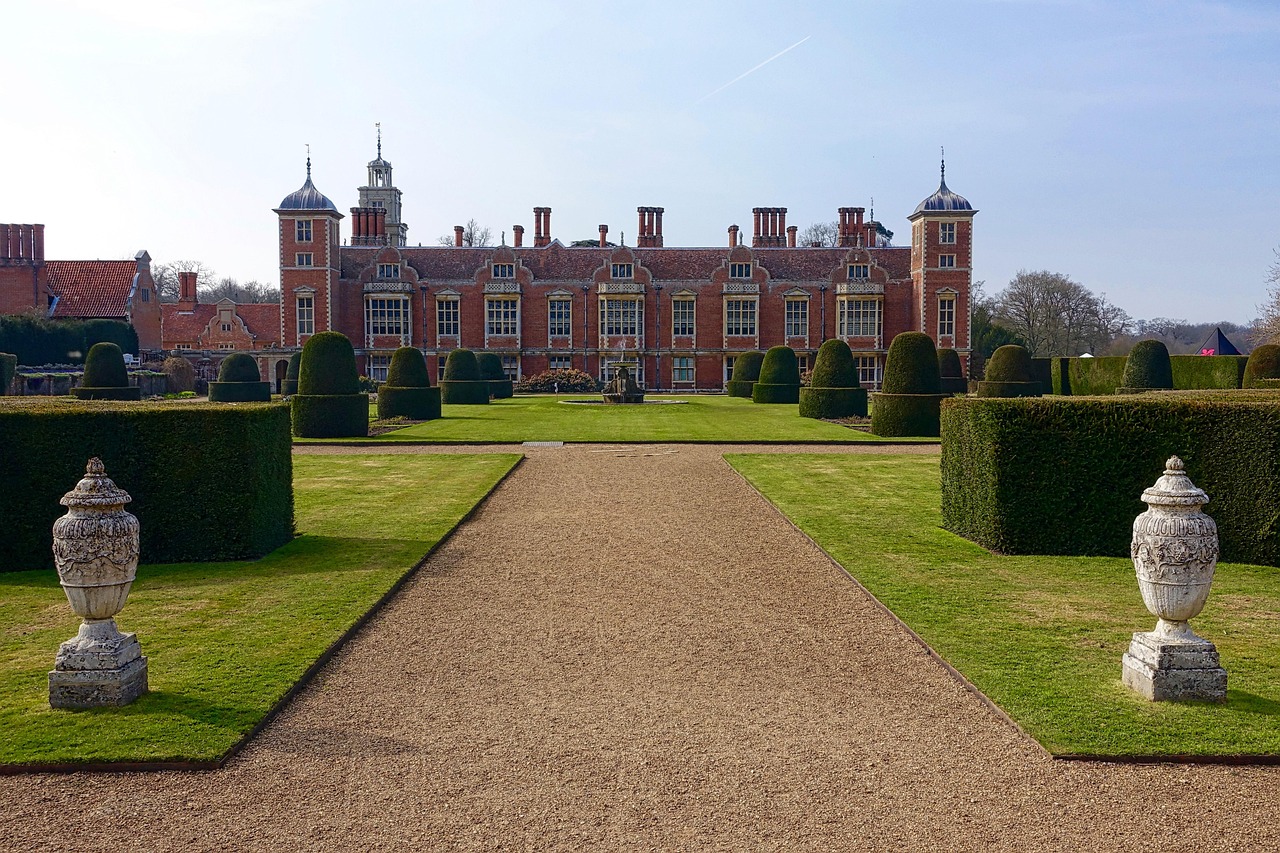
Georgian and Colonial Revival mansions are built around balance. Typical cues include centered doors, paired windows, brick or painted siding, shutters, columned porches, and a clean roof shape. The National Park Service describes Colonial Revival as drawing from Federal and Georgian buildings, with details such as fanlights, sidelights, Palladian windows, columns, and front porches. For an estate buyer, the advantage is simple: guests know where to enter, rooms tend to line up well, and the house does not feel tied to a short trend.
Federal and Neoclassical Restraint
Federal and Neoclassical houses also value symmetry, but the feeling is often lighter. A Federal-inspired mansion may use a rectangular plan, fine entrance details, sidelights, and a hipped roof. The National Park Service notes that Federal design emphasizes balance in windows, chimneys, doors, porches, and railings. This style suits owners who want status without heavy ornament or a busy facade.
Beaux Arts Formality
Beaux Arts is one of the most formal mansion styles. The Pennsylvania Architectural Field Guide places the style from 1885 to 1930 and connects it with wealth, public buildings, and grand private houses. Common cues include formal symmetry, low roofs, rusticated stone, balustrades, columns, arched windows, and strong decorative detail. It can look excellent on the right site, but it needs a real budget and careful control. Cheap Beaux Arts details show their weakness fast.
Which Romantic Mansion Styles Add the Most Character?
Romantic styles are less focused on perfect symmetry and more focused on mood. They bring towers, steep roofs, textured walls, deeper shadows, and the feeling that the house was added to over time. This can work very well on wooded lots or older streets, but the detailing has to be handled with care.
Tudor Revival Craft
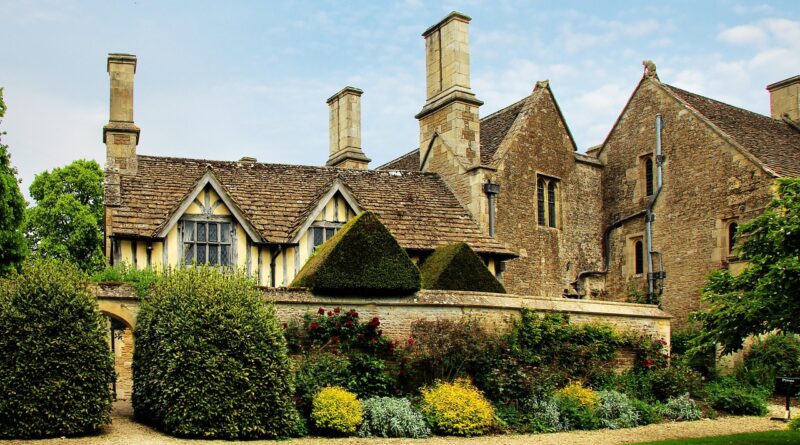
Tudor Revival mansions are easy to recognize. Look for steep roofs, cross gables, half-timbering, tall chimneys, narrow multi-pane windows, and patterned brick or stone. The Pennsylvania Architectural Field Guide says Tudor Revival became highly popular for homes in the 1920s and 1930s, second only to Colonial Revival in residential popularity during that period. If the brief calls for warmth, fireplaces, paneled rooms, and a strong winter look, Tudor Revival is a strong option.
Chateauesque Drama
Chateauesque mansions take cues from French chateaux. Steep hipped roofs, towers, dormers, conical caps, tall chimneys, carved stone, and masonry walls are common parts of the look. The Pennsylvania Architectural Field Guide describes the style as almost always architect-designed and intended to impress. It works best on a true estate site. On a small suburban lot, a turret can feel forced, and that is rarely what the owner had in mind.
Queen Anne Movement
Queen Anne mansion style brings asymmetry, wraparound porches, corner towers, patterned shingles, bay windows, stained glass, and decorative woodwork. The Pennsylvania Architectural Field Guide notes that Queen Anne was the most popular house style from 1880 to 1900. It is a good fit for historic districts and homes where porch life matters. The tradeoff is upkeep, because trim, paint colors, and roof intersections all need regular attention.
Which Warm-Weather Mansion Styles Work Best?
Warm-weather mansion styles usually put shade, air movement, terraces, and outdoor rooms near the center of the plan. They make sense in California, Florida, the Southwest, coastal regions, and resort markets. In cooler areas, these styles can still work, but the envelope, drainage, and roof details need to be specified correctly.
Mediterranean and Spanish Colonial Revival Courtyards
Mediterranean and Spanish Colonial Revival mansions often use stucco walls, low-pitched clay tile roofs, arches, carved doors, balconies, iron grilles, and shaded courtyards. The Pennsylvania Architectural Field Guide dates Spanish Colonial Revival to 1915 through 1940 and ties its rise to the Panama-California Exposition in San Diego in 1915. On a sunny site, this style feels relaxed without losing the formality expected from an estate. It also gives owners a natural way to connect main rooms with outdoor living areas.
Italian Renaissance Revival Balance
Italian Renaissance Revival is a more formal version of the villa idea. Expect masonry, symmetry, round arches, columns, balustrades, hipped or flat roofs, and sometimes a rusticated ground floor. The Pennsylvania Architectural Field Guide describes it as an upscale, architect-designed style often used for mansions and public buildings. It fits owners who like Mediterranean warmth but want clearer structure and less rustic surface texture.
Modern Villa Simplicity
A modern villa reduces the warm-weather estate to broad glass, stone, plaster, shade screens, and long roof planes. It may use the courtyard plan from older Mediterranean homes but avoid arches and heavy ornament. The result can feel calm and practical for daily living. The risk is glare and heat gain, so orientation, overhangs, glass selection, and landscape shade are just as important as the exterior style. See also: Building Layout.
Which Modern Mansion Styles Match a Cleaner Lifestyle?
Modern mansion styles suit owners who want large rooms, fewer visual breaks, bigger openings, and indoor-outdoor living. They are not automatically easier to build or cheaper to maintain. A plain wall shows every flaw, a huge window needs proper engineering, and a flat roof needs good drainage. Clean design may look simple, but the construction side is often exacting.
Contemporary Glass and Stone
Contemporary estates often use glass walls, limestone or concrete panels, metal roofs, and simple landscaping. They work well for view lots, pool courts, and interiors planned around art. If privacy is a concern, the design can turn inward with courtyards instead of opening every room toward the street. Lighting also needs attention, because a dark glass box at night can feel more like an office than a home.
Transitional Facades
Transitional mansion style mixes classic massing with simpler details. You might see symmetrical windows, a gabled roof, pale stone, black steel doors, and less trim than a full Colonial Revival house. It is popular because it feels familiar without looking heavily historical. The best versions still keep one main idea. Too many borrowed details can make the facade look like it came from a catalog.
Modern Farmhouse at Estate Scale
Modern farmhouse mansions use gables, board-and-batten siding, large porches, metal roof accents, and oversized windows. At estate scale, the style needs disciplined proportion. A 10,000-square-foot “farmhouse” can become awkward if it forgets the plain, practical roots of farm buildings. Fewer gables, better materials, and real porch depth usually work better. Fake simplicity still reads as fake.
How Should You Choose Between Mansion Styles?
The best mansion style is not always the most ornate one. It is the style that fits the site, budget, climate, daily habits, and local market. A house can be impressive and still feel easy to live in, and that balance is usually where the better design choices show up.
Climate and Site Fit
Start with weather and site conditions. Stucco and tile make sense in hot, dry, or coastal settings, while Tudor masonry and steep roofs feel natural in cooler, wooded places. Census 2025 housing data also shows how common outdoor living has become: 630,000 of 678,000 new single-family homes sold had a deck, porch, or patio. For a mansion, outdoor space should be part of the plan from the beginning, not added at the end.
Maintenance and Material Reality
Each style comes with its own maintenance profile. Queen Anne trim needs paint, Chateauesque stone needs skilled masonry, large glass walls need cleaning and shading, and Tudor roofs and chimneys need careful flashing. Before choosing a style, check material cost and labor availability in the local market. A rendering may look clean, but the real cost shows up in the specification and the trades.
Resale Signals and Personal Taste
Personal taste matters, but resale should stay in the discussion. The National Association of Realtors reported that in the first quarter of 2026, home prices rose in 71% of 235 metro markets, while 27% declined. That split shows how much luxury buyers respond to local preference. A Georgian estate may be the safe choice in one neighborhood, while a modern glass villa may lead the market in another.
- Choose Georgian or Colonial Revival for steady order and broad appeal.
- Choose Tudor Revival or Chateauesque for mood, craft, and strong character.
- Choose Mediterranean or Italian Renaissance Revival for sun, terraces, and formal outdoor living.
- Choose Contemporary or Transitional for clean interiors and flexible modern rooms.
Mansion style sets an expectation before anyone steps inside. Choose the one you can build well, maintain properly, and enjoy on a normal weekday, not only when the house is full of guests.
FAQ
Q1: What Are the Most Popular Types of Mansion Styles? A: Common mansion styles include Georgian, Colonial Revival, Tudor Revival, Mediterranean, Spanish Colonial Revival, Chateauesque, Beaux Arts, Italian Renaissance Revival, Queen Anne, Contemporary, and Transitional.
Q2: Is There an Official Size That Makes a House a Mansion? A: No. There is no single official U.S. size rule. Many real estate markets use the word for very large homes with estate-level rooms, land, and high-end finishes.
Q3: Which Mansion Style Has the Best Resale Value? A: It depends on the local market. Classic styles such as Georgian and Colonial Revival often have broad appeal, while modern and Mediterranean styles may perform better in certain luxury neighborhoods.
Q4: Which Mansion Style Is Best for Warm Climates? A: Mediterranean, Spanish Colonial Revival, Italian Renaissance Revival, and modern villa styles often work well because they support shade, courtyards, terraces, and indoor-outdoor living.
Q5: Can You Mix Mansion Styles? A: Yes, but keep the main roof shape, window rhythm, and materials consistent. A little mixing can feel natural; too much makes the house look confused.