
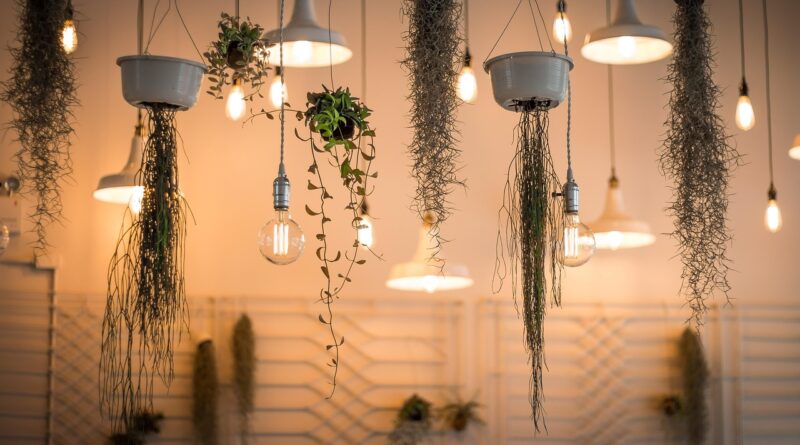
Furniture lighting & decor ideas for balanced, layered interiors
Why furniture, lighting, and decor should be planned together
Furniture lighting & decor decisions work best when they are planned as one interior system, not as three separate shopping lists. Furniture sets the function of the room and controls circulation. Lighting affects visibility, atmosphere, and focal points. Decor adds scale, texture, color, and personality. If one layer is selected in isolation, the room may be technically complete but still feel unresolved: a well-made sofa can sit in poor light, a dramatic pendant can hang at the wrong scale, or decorative objects can crowd a surface that needs practical task lighting.
For architecture and interior-focused spaces, the useful question is not only what looks good. It is how each choice affects proportion, movement, comfort, and everyday use. A balanced room usually depends on three decisions working together: furniture that fits the room’s dimensions, lighting that supports activities at different times of day, and decor that reinforces the design language without overwhelming it. Readers looking for broader interior references can explore the Furniture & Decor section for related design thinking.
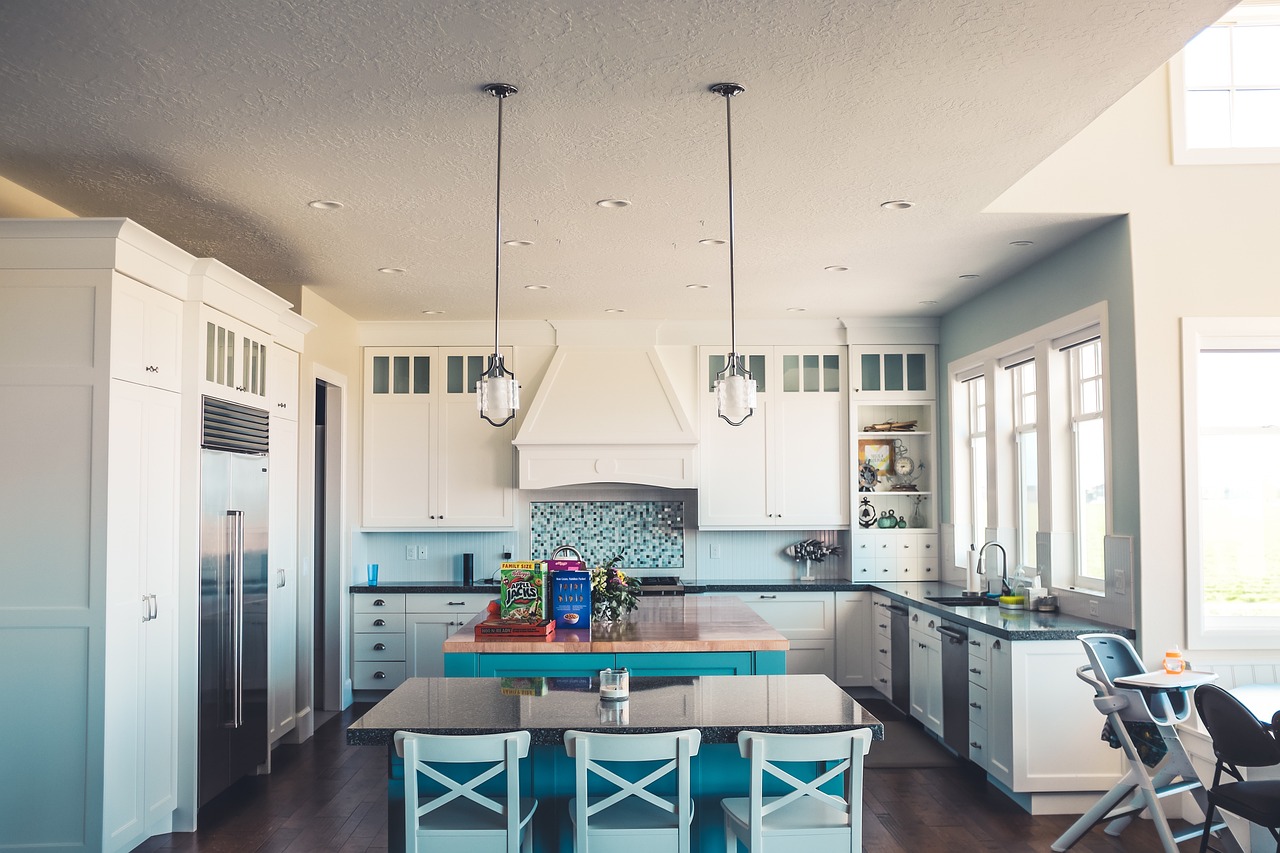
Start with the room’s function before choosing pieces
The first step is to define what the room must do. A living room used for reading, hosting, and evening television needs a different furniture and lighting plan from a formal sitting room used mainly for conversation. A dining area that also works as a workspace needs more flexible lighting than one reserved for occasional meals. Bedrooms, entryways, kitchens, and home offices all place different demands on storage, sightlines, surface height, and glare control.
A practical way to begin is to list the room’s primary and secondary activities. Primary activities shape the main furniture layout. Secondary activities guide supporting furniture, adjustable light, and decor placement. For example, a lounge chair near a window may need a side table and a focused floor lamp if it is meant for reading. A console table in an entryway may need a mirror, a tray, and a warm wall sconce if it is expected to support daily arrivals and departures.
- Living rooms need conversation spacing, layered light, and decor that does not block movement or views.
- Dining rooms need table-scaled lighting, comfortable chair clearance, and decor that can adapt to changing table settings.
- Bedrooms need soft ambient light, bedside task light, and tactile decor that supports rest.
- Home offices need ergonomic furniture, controlled glare, and decor that adds focus without visual noise.
- Entryways need durable furniture, flattering light, and a clear place for keys, bags, and seasonal objects.
Use scale and proportion as the main design filter
Scale is one of the most reliable ways to judge whether furniture, lighting, and decor belong together. Often, the problem is not that individual pieces are unattractive. It is that they are out of proportion with one another. A narrow side table beside a deep sofa can look accidental. A tiny pendant above a large dining table can feel underpowered. A large artwork placed too close to a small lamp may make both pieces feel uncomfortable.
Before selecting decorative elements, measure the room, the main furniture, and the clear walking paths. In many residential rooms, circulation matters as much as style. A coffee table that looks right in a showroom can interrupt movement if the sofa, chairs, and media wall are already tightly spaced. A dramatic floor lamp may also fail in practice if its base competes with a lounge chair or its shade sits at eye level when people are seated.
| Design element | Scale question to ask | Practical check |
|---|---|---|
| Sofa or sectional | Does it anchor the room without blocking movement? | Confirm walking paths before adding accent tables. |
| Dining pendant | Does the fixture relate to the table shape and length? | Check height, spread, and glare while seated. |
| Side tables | Do they match the reach and height of nearby seating? | Test whether a book, glass, or lamp can sit comfortably. |
| Wall art | Does the piece relate to the furniture below it? | View it from both standing and seated positions. |
| Rugs | Do they connect the furniture group? | A rug that is too small can visually fragment the layout. |
Good proportion also helps control cost. When scale is right, fewer objects are needed to make the room feel complete. Oversized accessories, undersized lamps, and randomly placed accent furniture often create the impression that something else must be added, when the real issue is misalignment.
Build a layered lighting plan around the furniture layout
Lighting should respond to the furniture plan, not fight it. In professional lighting practice, designers often distinguish between ambient, task, and accent lighting. Ambient light provides general visibility. Task light supports specific activities such as reading, cooking, or writing. Accent light highlights architecture, art, plants, shelving, or textured surfaces. A well-composed room rarely depends on one ceiling fixture alone.
Start by identifying where people sit, stand, read, gather, and move. Then assign light to those zones. A sofa group may need a ceiling light, a floor lamp, and a table lamp working together. A dining table may need a central pendant or linear fixture, plus softer perimeter light so the room does not feel flat. A bedroom may need ambient ceiling or wall light, bedside lamps or sconces, and low-level lighting for evening routines.
Ambient light sets the base layer
Ambient lighting should make the room usable without becoming harsh. Recessed downlights, ceiling fixtures, coves, wall washers, and indirect lamps can all provide this layer. The aim is to create enough visibility for general movement while leaving room for softer, more localized light. If ambient light is too intense, decor can look washed out and furniture can lose depth.
Task light should follow the activity
Task lighting works best when it is placed where the task happens. A reading chair needs light over the page, not simply more brightness in the room. A desk needs controlled light that does not create screen glare. A kitchen island may need pendants or directional fixtures that illuminate the work surface without shining directly into the eyes.
Accent light gives decor purpose
Accent lighting can make decor feel intentional. A textured wall, ceramic vessel, sculpture, bookcase, or framed artwork becomes more meaningful when it sits within a controlled pool of light. This does not mean every object needs a spotlight. Choose a limited number of focal points and allow quieter areas to remain calm.
Coordinate color temperature, material, and finish
Lighting color and material finish strongly affect how furniture and decor are perceived. Warm white light often makes wood, textiles, leather, and warm metals feel more inviting. Cooler light can support task visibility in work-oriented spaces, but it may make residential rooms feel less relaxed if it is used without contrast. Color rendering also matters because low-quality light can distort the appearance of fabrics, paint, stone, and art.
Instead of matching every finish, aim for controlled repetition. A room may combine black metal, warm oak, linen, stone, and brass, but the mix should feel deliberate. Repeating one or two finishes in lighting and furniture can create continuity. For example, a black floor lamp may echo a black-framed coffee table, while brass cabinet pulls may connect with a small table lamp detail. The repetition does not need to be exact; it simply gives the eye a path through the room.
- Use warm materials with warm light when the goal is comfort, intimacy, or hospitality.
- Use matte finishes where glare or fingerprints would distract from the design.
- Balance heavy furniture with lighter lamps, mirrors, or translucent decor to reduce visual weight.
- Repeat finishes sparingly so the space feels composed rather than overly coordinated.
- Test samples under evening light because fabrics and paint can shift noticeably after sunset.
Material coordination is also where decor earns its place. Cushions, throws, ceramics, books, trays, plants, and artwork can bridge the gap between architectural surfaces and furniture. If a room feels cold, textiles and warmer light may solve more than another large furniture purchase. If it feels cluttered, removing small objects and highlighting one stronger focal point may improve the room faster than replacing the main furniture.
A room-by-room approach to furniture lighting & decor
Different rooms need different balances. The same pendant, lamp, or decorative strategy cannot be applied everywhere with equal success. A useful approach is to decide which layer should lead in each room. In a living room, furniture may lead because seating establishes the social layout. In a dining room, lighting may lead because the table and fixture create the main visual axis. In a bedroom, atmosphere may lead because rest and comfort are the priority. See also: Building Styles.
Living room
Begin with the seating group and sightlines. Place the sofa, chairs, and coffee table first, then add lighting where people actually sit. A floor lamp can define a reading corner, while table lamps create warm pools of light around conversation areas. Decor should vary in height: low objects on tables, medium objects on shelves, and larger artwork or mirrors on walls.
Dining room
The dining table and overhead fixture usually form the center of the composition. The fixture should relate to the table’s length, shape, and seating arrangement. Decorative objects should be easy to move, especially if the table is used frequently. Sideboards, wall sconces, art, and mirrors can add depth without competing with the meal setting.
Bedroom
Bedrooms benefit from softer light and tactile decor. Bedside lamps or sconces should be easy to control from bed. The bed, nightstands, rug, window treatments, and lighting should work together to create a calm visual rhythm. Decor is most effective when it supports rest: fewer objects, softer textures, and controlled contrast often work better than high-energy styling.
Home office
A home office should prioritize posture, glare control, and storage before decorative styling. The desk and chair define the work zone. Task lighting should support writing or reading while avoiding reflections on screens. Decor can include art, books, plants, or personal objects, but surfaces should remain open enough for focused work.
Common mistakes that make interiors feel unfinished
Many rooms feel unfinished because the layers do not communicate. The furniture may be placed correctly, but the lighting is too flat. The lighting may be dramatic, but there are no surfaces or textures for it to reveal. The decor may be attractive, but it sits at the wrong scale or competes with everyday use.
- Relying on one overhead light. A single ceiling fixture rarely supports every activity in a room.
- Buying decor before measuring furniture. Accessories should respond to real dimensions, not imagined proportions.
- Using matching sets everywhere. Matching can simplify decisions, but too much of it may make a room feel static.
- Ignoring glare. A lamp or pendant that looks beautiful can still be uncomfortable if the bulb or source is visible from normal positions.
- Overfilling surfaces. Tables, consoles, and shelves need negative space so useful objects and decorative objects can coexist.
- Choosing rugs too late. Rugs often connect furniture groups, influence color decisions, and affect acoustic comfort.
The solution is usually not to add more. It is to edit, reposition, and rebalance. Moving a lamp closer to a chair, replacing a too-small rug, reducing visual clutter on a console, or repeating one finish across two elements can make the design feel more resolved.
Frequently asked questions
Should furniture or lighting be chosen first?
For most rooms, choose the main furniture layout first because it determines where people sit, walk, work, and gather. Lighting should then be planned around those zones. The exception is a room with a major architectural fixture or fixed electrical point that strongly influences the layout.
How many lighting layers does a room need?
Most complete rooms benefit from at least two layers, and many benefit from three: ambient, task, and accent lighting. A small bedroom may only need soft ambient light and bedside task light, while a living room or kitchen often needs all three.
How can decor make a room feel more cohesive?
Decor creates cohesion by repeating color, texture, shape, or finish across the room. The repetition should be subtle. A ceramic lamp, a textured vase, and a woven cushion may connect better than a set of identical accessories.
What is the easiest way to improve an already furnished room?
Adjust the lighting before replacing major furniture. Add a floor lamp near seating, use a table lamp to soften a dark corner, or highlight one piece of art or shelving. Better light often makes existing furniture and decor look more intentional.
Can mixed furniture styles work with different lighting styles?
Yes, if the room has a clear organizing idea. Mixed styles work when scale, color temperature, finish repetition, and spacing are controlled. The pieces do not need to match, but they should appear to belong to the same visual conversation.
Final takeaways
A strong interior is not built from furniture, lighting, or decor alone. It comes from the relationship between them. Start with function, confirm scale, place lighting around real activities, and use decor to connect the room’s materials and mood. This approach produces rooms that feel more comfortable, more intentional, and easier to live in because each layer supports the others rather than competing for attention.