
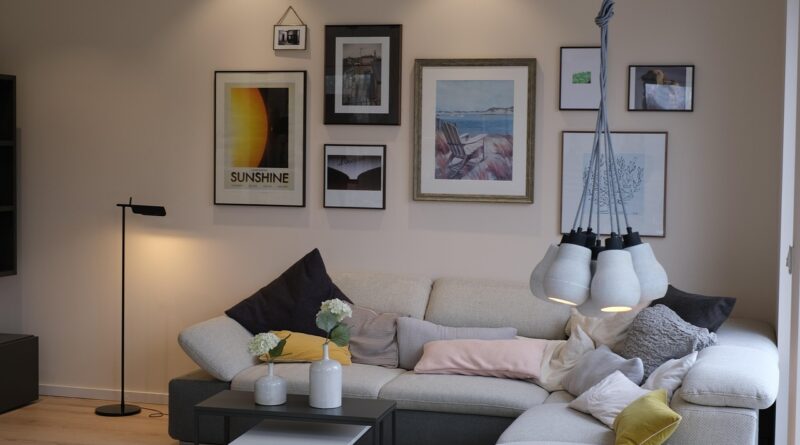
Small space living room furniture ideas that make compact rooms work harder
Start with scale before style
Small space living room furniture has to do more than look attractive. It needs to fit the room, protect circulation and justify the floor area it takes up. In a compact living room, the right sofa, tables, storage and accent seating can make the space feel more generous without adding square footage.
The aim is not to buy miniature furniture in every category. Better results usually come from choosing pieces with suitable proportions, lighter visual weight, flexible functions and useful storage. A compact sofa with the right arm profile, for example, can be more effective than a smaller-looking piece that wastes space in the wrong places.
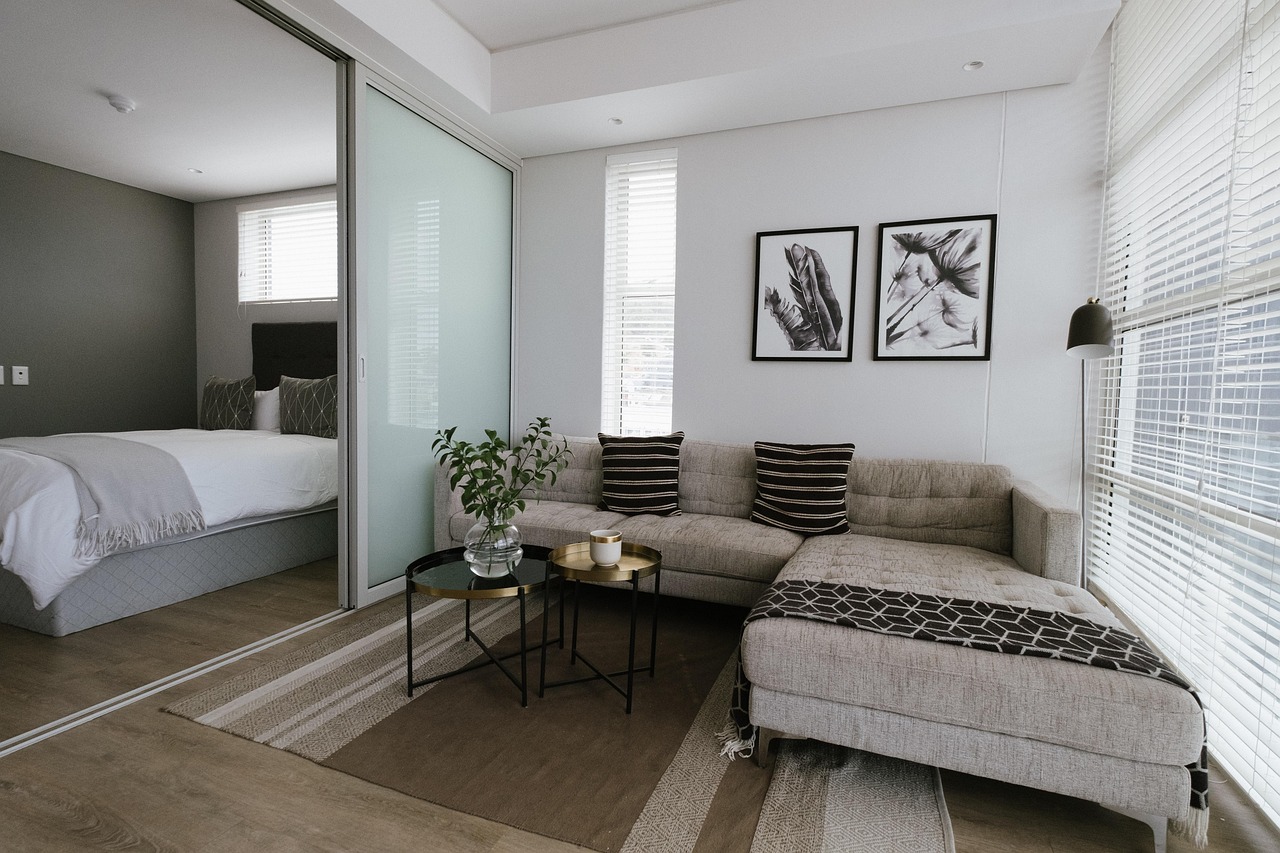
Small living rooms often fail for one of two reasons: the furniture is too large for the circulation pattern, or the room contains too many single-purpose pieces. Before buying anything, measure the walls, windows, door swings, radiators, built-ins and main walking routes. Then list what the room must support every day, such as conversation, television, reading, working, entertaining, toy storage or occasional sleeping. That list should shape the furniture plan more than a showroom display.
For more design and furnishing ideas across the home, explore the Furniture & Decor section on Archithaus.
Choose seating that fits the way the room is used
The sofa is usually the largest item in a living room, so it carries the most visual and practical weight. In a small room, assess a sofa by seat depth, arm profile, back height and leg style, not only by overall width. Slim arms can preserve usable seating space, while oversized arms may consume several inches without adding comfort.
For narrow rooms, a straight sofa is often easier to place than a deep sectional. A sectional can work well when it follows an unused corner, but it can also interrupt movement if the chaise extends into the main route. In apartments, older houses and townhomes, a two-seat sofa with one lightweight lounge chair may be more adaptable than a fixed L-shaped layout.
What to look for in a compact sofa
- Slim arms: Track arms or narrow rolled arms preserve seating width without expanding the footprint.
- Raised legs: Exposed legs keep more floor visible, which can make the room feel less crowded.
- Moderate seat depth: Very deep sofas can be comfortable, but they often take up valuable circulation space.
- Low to medium backs: Lower backs reduce visual bulk, especially near a window or room divider.
- Durable upholstery: In a small room, seating is used heavily because there are fewer alternative places to sit.
If the living room also serves as a guest room, a sleeper sofa may be useful. Check it in both closed and open positions before committing. A pullout that blocks the only route through the room will be frustrating, even if the sofa looks compact during the day.
Use tables that can move, nest or disappear
Coffee tables, side tables and consoles can quickly make a small room feel cluttered because they occupy the center and edges of the plan. Instead of choosing one large coffee table by default, look at how surfaces are actually used. If the room mainly needs a place for a drink, remote control or book, nesting tables or small drink tables may work better than a fixed central table.
Round and oval tables are useful where walking routes are tight because there are no sharp corners to navigate. Transparent materials, open metal frames and thin wood profiles can also reduce visual heaviness. This does not mean every small living room needs glass furniture. It means the table should not read as a dense block in the middle of the floor.
Smart table choices for compact rooms
- Nesting tables: Pull them apart when guests visit, then tuck them back together afterward.
- Lift-top tables: Useful when the living room doubles as a laptop or dining spot.
- Storage ottomans: A soft surface can serve as seating, a footrest and hidden storage.
- C-tables: These slide partly over a sofa or chair, reducing the need for wide side tables.
- Wall-mounted ledges: In very tight rooms, a small shelf can replace a console or end table.
The right choice depends on the room’s main activity. A family movie room may need a soft ottoman more than a delicate table. A small formal sitting room may work better with two lightweight side tables than one central piece.
Prioritize storage that looks intentional
Storage is one of the strongest reasons to choose small space living room furniture carefully. Compact rooms rarely have enough spare floor area for freestanding cabinets, baskets and display pieces to coexist comfortably. Furniture with built-in storage can reduce visual noise while keeping everyday items close at hand.
The key is to avoid making every item a storage container. Too many lidded pieces can make a room feel heavy and boxy. A more balanced plan combines closed storage for clutter with open display for depth and personality. A media unit with doors, a storage ottoman and one tall bookcase will often feel calmer than several small bins scattered around the room.
| Furniture type | Space-saving value | Best use |
|---|---|---|
| Storage ottoman | Combines seating, footrest and hidden storage | Blankets, toys, games and remotes |
| Wall-mounted cabinet | Keeps floor area more open | Media accessories and small household items |
| Tall bookcase | Uses vertical space instead of floor width | Books, baskets, plants and decor |
| Bench with storage | Adds occasional seating without a bulky chair | Entry-living room combinations |
| Console with drawers | Provides a landing zone in narrow rooms | Keys, chargers, mail and everyday items |
Place closed storage where clutter naturally gathers. If remotes, chargers and game controllers collect near the sofa, storage across the room will not solve the problem. Put the storage where the habit already exists.
Make flexible furniture part of the layout
Small living rooms often change roles during the week. The same room may be a quiet reading area in the morning, a work zone in the afternoon and a social space in the evening. Flexible furniture supports these shifts without requiring a full rearrangement each time.
Look for pieces that are easy to move but still stable in use. Lightweight accent chairs, stools, poufs and nesting tables can create extra seating for guests, then move back to the edge of the room. Folding furniture can help, but only if it is attractive and convenient enough to use regularly. If a folding chair is stored in a closet behind other items, it is unlikely to solve everyday seating needs.
Flexible pieces that earn their footprint
- Poufs: They work as informal seats, footrests or low surfaces with a tray.
- Backless stools: These can slide under a console when not in use.
- Light lounge chairs: Easier to reposition than oversized recliners.
- Drop-leaf tables: Useful in studio apartments where living and dining overlap.
- Modular shelves: Adaptable as storage needs change over time.
Flexible furniture should not become an excuse to overcrowd the room. A useful test is whether the space still feels comfortable when every movable piece is in use. If not, the plan may need fewer pieces or slimmer proportions. See also: Building Styles.
Plan circulation like a designer
Furniture placement matters as much as furniture size. A compact sofa can still make a room feel blocked if it sits in the wrong position. Start by identifying the main route through the room: from the entry to the hallway, from the kitchen to the balcony, or from the sofa to the media wall. Keep that route as direct and calm as possible.
In many small rooms, pushing every item against the wall is not always the best answer. A sofa can sometimes float a few inches away from the wall to make room for curtains, a slim shelf or a floor lamp. In an open-plan apartment, the back of a sofa can also define the living area without adding a partition. Base the decision on movement, sightlines and how people enter the room.
Leave enough space for people to sit, stand and pass without turning sideways whenever possible. Around tight corners, rounded tables and armless chairs can reduce friction. Near doors and windows, lower furniture helps keep the room from feeling boxed in. These small layout decisions often matter more than adding another decorative object.
Use visual lightness to make furniture feel smaller
Small-space design is not only about measurements. It is also about how heavy furniture appears. Two pieces can have similar dimensions, but one may feel much larger because it has a solid base, dark finish, bulky arms or high back. Visual lightness helps the room breathe.
Raised legs, open frames, woven textures, pale woods and restrained silhouettes can all make furniture feel less dense. However, an all-light room can look flat if there is no contrast. A better approach is to balance lighter large pieces with a few darker or more textured accents. For example, a pale sofa, slim black side table and warm wood shelf can feel more layered than a room where every item is the same tone.
Mirrors, curtains and rugs also affect how furniture reads. A rug that is too small can make the seating area feel fragmented, while a rug that reaches under the front legs of key seating pieces can visually connect the arrangement. Curtains hung to emphasize height can draw the eye upward, helping furniture feel less dominant.
Common mistakes to avoid
The most common mistake is buying furniture because each piece is small on its own, while ignoring the total number of pieces. A small sofa, two small chairs, a small coffee table, two side tables, a cabinet and several baskets can still overwhelm a room. Editing is part of furnishing.
- Choosing a sofa that is too deep: Depth can be more disruptive than width in a narrow room.
- Using too many accent chairs: One comfortable chair may be better than two cramped chairs.
- Ignoring door swings and drawers: Furniture must work when doors, cabinets and sleeper mechanisms are open.
- Buying storage without a plan: Storage only helps when it matches real habits and categories.
- Forgetting lighting: Floor lamps, sconces and table lamps affect where furniture can comfortably sit.
- Overfilling vertical space: Tall storage is useful, but every wall does not need shelving.
A compact room should still have negative space. Empty corners, visible floor and clear tabletops are not wasted areas; they allow the furniture to feel intentional.
Frequently asked questions
Is a sectional a good idea for a small living room?
A sectional can work if it fits an unused corner and does not block the main route through the room. In a narrow or awkward plan, a compact sofa plus a movable chair is often more flexible.
What coffee table shape is best for a compact room?
Round and oval tables are often easier to move around in tight layouts. Nesting tables, ottomans and small side tables can also replace a traditional coffee table when the center of the room needs to stay open.
Should small living room furniture always be light colored?
No. Light colors can reduce visual weight, but contrast adds depth. The more important issues are proportion, leg style, bulk and how many pieces the room contains.
How do I add storage without making the room feel crowded?
Choose a few purposeful storage pieces instead of many small containers. Closed storage works well for clutter, while open shelves should be edited so they do not become visually noisy.
What is the first piece to buy for a small living room?
Start with the main seating piece, usually the sofa or loveseat. Once its size and position are clear, tables, storage and accent seating can be chosen to support the layout rather than compete with it.