
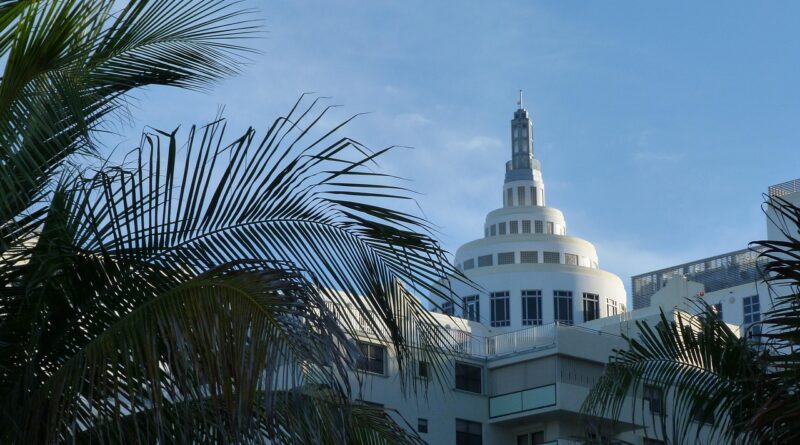
What is a deco building and how do you recognize Art Deco architecture?
A deco building at a glance
In everyday use, a deco building is a building shaped by Art Deco architecture, the interwar design language known for geometric ornament, strong vertical lines, stylized motifs, and a confident modern image. The style is most closely associated with the 1920s and 1930s, although later buildings often borrowed its vocabulary. To recognize one, look for stepped forms, chevrons, zigzags, fluted pilasters, sunburst patterns, decorative metalwork, polished stone, terra cotta, glass block, or smooth stucco. The effect is not simply “old glamour.” Art Deco used decoration to make new building types, new materials, and modern urban life feel ordered, dramatic, and forward-looking.
For readers comparing architectural periods, Art Deco sits between historic revival styles and postwar modernism. It kept ornament, but simplified and abstracted it. That balance is why a deco building can feel both historic and surprisingly contemporary. For more context on related categories, visit the Building Styles section.
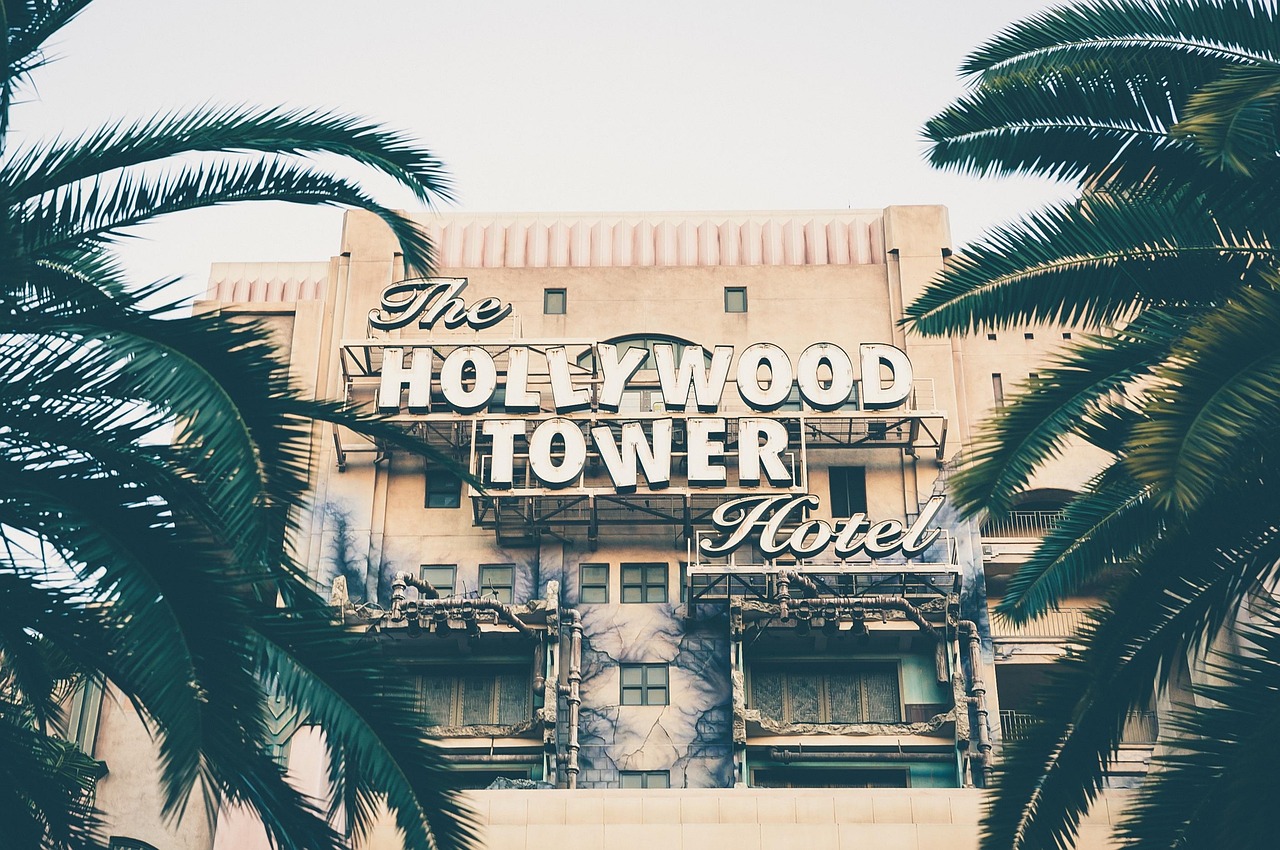
Where Art Deco architecture came from
Art Deco is often linked to the 1925 Exposition Internationale des Arts Décoratifs et Industriels Modernes in Paris. Design museums such as the Victoria and Albert Museum and the Metropolitan Museum of Art describe the exhibition as a key moment in the public identity of the style, even though the design ideas had been developing before then. The name “Art Deco” itself became a convenient later label for a broad family of decorative modern design.
Architecture absorbed the style because the 1920s and 1930s were years of fast urban growth, mass entertainment, expanding commerce, and new technologies. Cinemas, department stores, hotels, apartment houses, office towers, factories, transport buildings, and civic buildings all needed a visual identity that felt modern without abandoning craftsmanship. Art Deco supplied that identity.
The style did not look the same everywhere. In Paris and London, it often appeared in interiors, apartment blocks, shops, cinemas, and luxury settings. In New York and Chicago, it could operate as a skyscraper language. In Miami Beach, it became closely associated with hotels, smooth walls, tropical color, and later Streamline Moderne forms. In Los Angeles, it shaped theaters, commercial strips, offices, and entertainment buildings. This regional range matters because “deco building” is a broad search term, not a single formula.
Key exterior features of a deco building
The most reliable way to identify Art Deco is to read the facade as a composition. A genuine deco building usually combines several of the following traits rather than relying on one decorative sign.
- Geometric ornament: chevrons, zigzags, diamonds, triangles, stepped patterns, and abstracted floral or fountain motifs.
- Vertical emphasis: tall piers, fluted pilasters, narrow window bays, spires, towers, or setbacks that pull the eye upward.
- Stepped massing: tiered crowns, ziggurat-like rooflines, and setbacks that turn the upper part of a building into a sculptural silhouette.
- Low-relief decoration: shallow carved panels, molded terra cotta, cast stone, or metal grilles integrated into the wall rather than applied as loose ornament.
- Stylized natural imagery: sunbursts, waves, reeds, flowers, birds, and speed lines rendered in simplified geometric form.
- Modern materials: reinforced concrete, steel frames, plate glass, aluminum, stainless steel, chrome, glazed terra cotta, structural glass, and glass block.
- Framed entrances: dramatic door surrounds, polished stone, bronze or steel doors, decorative transoms, and lobby thresholds that create a ceremonial arrival.
Preservation references from the National Park Service and Historic England repeatedly point to vertical or diagonal emphasis, low-relief geometric ornament, fluting, reeding, zigzags, and chevrons as recurring Art Deco markers. These details are useful because they help distinguish authentic architectural character from superficial “Deco-inspired” decoration added later.
How Art Deco differs from Art Nouveau and modernism
Many early twentieth-century buildings are casually described as deco, but the differences between Art Deco, Art Nouveau, and modernism are important. Art Nouveau, which peaked earlier, favored flowing curves, organic linework, plant forms, and handcrafted continuity between structure and ornament. Art Deco is generally more angular, symmetrical, and machine-age in mood. It abstracts nature into geometry instead of imitating it with curling lines.
Modernism, especially the International Style that developed in the 1920s and became more influential after World War II, moved in a different direction. It emphasized functional planning, industrial materials, open space, flat surfaces, and reduced ornament. Art Deco shared modernism’s interest in new materials and modern life, but it did not reject decoration. Instead, it disciplined decoration into panels, patterns, grilles, reliefs, and surface rhythms.
This distinction explains why a deco building can appear more ornamental than a modernist building, yet less historically literal than a Gothic Revival, Beaux-Arts, or Classical Revival building. It is a transitional language: decorative but modern, luxurious but often standardized, historic in memory but forward-facing in effect.
Common types of deco buildings
Art Deco was adaptable because it could scale from a small storefront to a skyscraper crown. Different building types used the style in different ways.
Cinemas and theaters
Interwar cinemas were ideal vehicles for Art Deco. Their facades could advertise excitement, speed, light, and modern leisure, while their interiors used murals, metalwork, patterned carpets, glowing signage, and dramatic staircases. Historic England’s guidance on interwar theatres notes that the period was architecturally diverse, but Art Deco and Moderne treatments became closely associated with cinema culture.
Skyscrapers and office buildings
In dense American cities, Art Deco worked especially well on tall buildings. Setbacks required by zoning could be turned into stepped silhouettes, and vertical piers could make towers appear taller and more streamlined. Famous New York examples such as the Chrysler Building, completed in 1930, and the Empire State Building, completed in 1931, show how Art Deco could combine engineering ambition with symbolic ornament.
Hotels and apartment buildings
Hotels and apartment buildings often used Art Deco to signal comfort, novelty, and urban sophistication. Their details might be less monumental than a skyscraper’s, but still visible in entrance canopies, stair rails, elevator doors, terrazzo floors, facade panels, and decorative window surrounds. Miami Beach’s architectural districts are widely associated with this more approachable, hospitality-driven side of Deco and Moderne design.
Civic and commercial buildings
Government offices, post offices, schools, banks, and department stores adopted restrained versions of the style. The U.S. General Services Administration identifies Art Deco and Moderne among the architectural styles represented in historic federal buildings. In these settings, Deco ornament often became more controlled: simplified relief panels, symmetrical massing, durable stone, and decorative metalwork that conveyed modern authority without excessive luxury. See also: Building Layout.
Zigzag Moderne, Streamline Moderne, and related labels
One reason the term “deco building” can be confusing is that Art Deco overlaps with several related labels. Two of the most useful are Zigzag Moderne and Streamline Moderne.
| Label | Typical period and mood | Common visual clues |
|---|---|---|
| Zigzag Moderne | Often associated with the 1920s and early 1930s, especially bold commercial and tower designs | Angular ornament, chevrons, vertical piers, stepped crowns, sharp silhouettes, abstracted motifs |
| Streamline Moderne | More common in the 1930s and early 1940s, influenced by speed, ships, trains, cars, and industrial design | Rounded corners, horizontal banding, smooth stucco, glass block, porthole windows, flat roofs, restrained ornament |
| PWA or Classical Moderne | Often connected with Depression-era public buildings in the United States | Simplified classicism, symmetrical facades, monumental scale, low-relief sculpture, reduced decoration |
These labels are not always applied consistently. A single building may have a Zigzag Moderne tower and a more streamlined storefront, or a classical civic plan with Art Deco relief panels. For practical identification, focus first on the building’s massing, ornament, entrance design, and material palette rather than the exact label.
Why Art Deco still matters in architecture
Art Deco remains useful to architects, preservationists, and design readers because it shows how ornament can be integrated into a modern building rather than pasted onto it. The best deco buildings treat decoration as part of the architecture’s rhythm. A grille aligns with a window bay. A carved panel strengthens an entrance. A stepped roofline completes the vertical movement of the facade. The ornament is not random; it helps organize the building’s public image.
The style also helps explain the cultural ambitions of the interwar period. Art Deco projected speed, glamour, industrial confidence, and civic optimism, but it emerged in a world shaped by economic instability and political tension. That contradiction gives many deco buildings their charge. They look polished and aspirational, yet they often belong to a period of social uncertainty. Understanding that context prevents the style from being reduced to surface glamour.
For preservation, the challenge is that Art Deco character often depends on details that are easy to remove: metal doors, terrazzo, tile, glass block, neon, relief panels, lobby finishes, and decorative grilles. Replacing them with generic storefront systems or flat cladding can weaken the entire building, even if the main structure remains. Good rehabilitation usually starts by identifying character-defining features, then upgrading performance without erasing the design logic.
How to identify a deco building in the field
When assessing a possible deco building, use a step-by-step method instead of relying on first impressions.
- Check the date: Buildings from roughly the 1920s to early 1940s are the strongest candidates, though later revivals exist.
- Study the silhouette: Look for setbacks, towers, stepped parapets, or strong vertical divisions.
- Examine the entrance: Deco design often concentrates ornament around doors, lobbies, canopies, and signage zones.
- Look for repeated geometry: Chevrons, zigzags, fluting, reeds, sunbursts, and diamonds should appear as part of a larger pattern.
- Assess the materials: Terra cotta, stone, metalwork, glass block, stucco, polished surfaces, and patterned tile are common clues.
- Compare the direction of emphasis: Vertical and angular details suggest Zigzag Deco, while rounded corners and horizontal bands point toward Streamline Moderne.
- Separate original fabric from later styling: A new sign or painted motif does not make a building Art Deco if the massing and details do not support it.
This approach is especially helpful on mixed urban streets where buildings have been altered over time. A ground-floor storefront may be modernized while the upper facade still preserves original Art Deco ornament.
Frequently asked questions
Is every deco building the same as an Art Deco building?
In common search language, “deco building” usually means an Art Deco building or a building influenced by Art Deco. Strictly speaking, however, a building should show identifiable Art Deco characteristics in its form, ornament, materials, or period context before the label is used confidently.
What is the fastest way to recognize Art Deco architecture?
Look for a combination of geometric ornament and strong facade organization. Chevrons, zigzags, stepped forms, vertical piers, decorative metalwork, and stylized sunbursts are common clues. One feature alone is not enough; the details should support the building’s overall design.
How is Streamline Moderne different from Art Deco?
Streamline Moderne is often treated as a later, sleeker branch of the broader Deco and Moderne family. It tends to emphasize horizontal lines, rounded corners, smooth walls, porthole windows, glass block, and aerodynamic forms rather than the sharper verticality and angular ornament of Zigzag Deco.
Can a new building be Art Deco?
A new building can be Art Deco-inspired, but it is not a historic Art Deco building. Contemporary projects may borrow stepped profiles, metallic finishes, geometric patterns, or glamorous interiors, yet their materials, codes, construction methods, and cultural context differ from interwar originals.
Why are many Art Deco buildings protected or valued today?
They represent an important transition between historic ornament and modern design. Many also preserve distinctive craft, urban history, entertainment culture, and civic identity. Their value often lies not only in their facades but also in entrances, lobbies, signage, metalwork, tile, and other character-defining features.