
Can a Sustainable Residential Building Redefine the Future of Urban Towers
Transforming an Office Tower Into a Sustainable Residential Building
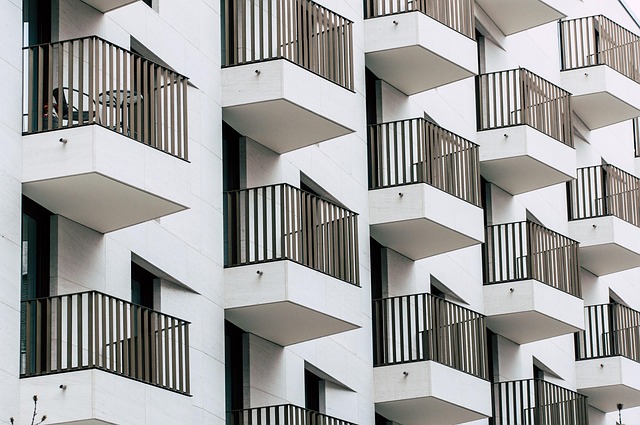
Cities are reimagining their skylines by converting office towers into sustainable residential buildings. This shift is not just architectural; it’s environmental and social. A sustainable residential building balances energy efficiency, resource conservation, and livability. Converting existing structures reduces embodied carbon while revitalizing underused urban assets. The result is a model for adaptive reuse that aligns with global sustainability goals and reshapes how dense cities can grow responsibly.
Rethinking Urban Towers Through Sustainable Residential Design
Urban transformation demands more than aesthetic renewal—it requires ecological intelligence. Architects and planners are now prioritizing sustainable design principles that enhance both performance and livability.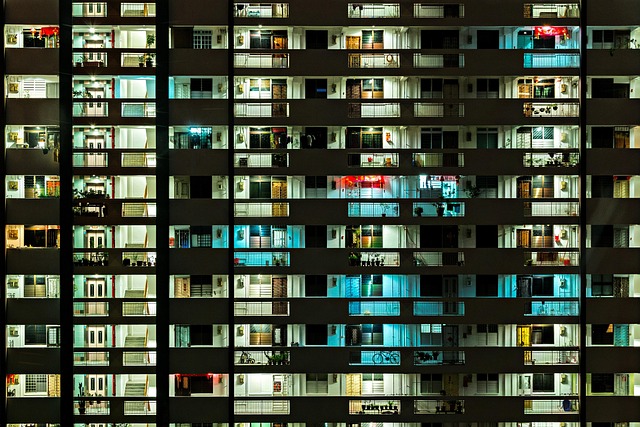
The Shift Toward Eco-Conscious Urban Architecture
Urban density has long been both a challenge and an opportunity. Cities face mounting pressure to accommodate populations without exhausting natural resources. Green residential towers respond by integrating renewable systems, efficient materials, and biophilic design to create healthier living environments. Developers increasingly see environmental responsibility as a competitive advantage, redefining the traditional high-rise as a living ecosystem rather than a static structure.
The Role of Sustainable Residential Buildings in Urban Transformation
Sustainable towers contribute directly to reducing urban carbon footprints through advanced insulation, smart energy systems, and waste reduction strategies. Their integration of renewable energy sources—solar façades or geothermal heating—reshapes local energy grids into decentralized networks. These projects often serve as prototypes influencing future zoning codes and sustainability policies, setting measurable benchmarks for carbon neutrality in dense metropolitan contexts.
Foundational Principles for Designing a Sustainable Residential Building
Designing a sustainable residential building begins with data-driven analysis and ends with long-term adaptability. Each decision—from orientation to material selection—affects environmental performance throughout the building’s life cycle.
Environmental Performance as a Core Design Metric
Energy modeling tools simulate real-world performance before construction begins, guiding architects toward efficient envelope designs and mechanical systems. Passive design principles like cross-ventilation or thermal mass reduce reliance on HVAC equipment, cutting operational emissions significantly. Lifecycle assessments further ensure that construction methods minimize waste and prioritize renewable materials.
Integrating Circular Economy Concepts Into Building Design
Circular economy thinking transforms how buildings consume resources. Modular construction allows components to be disassembled or repurposed instead of demolished. Closed-loop water systems recycle greywater for irrigation or toilet flushing, reducing municipal demand. This approach enhances resilience against market fluctuations and environmental disruptions while extending the building’s functional lifespan.
Key Elements to Include in Green Home Building Plans
A truly sustainable residential building integrates multiple layers of technology, ecology, and human comfort. The following eleven elements define the blueprint for next-generation green home design.
1. Energy Efficiency Systems
Transitioning from fossil fuel dependency starts with efficiency at the source.
Passive Design Strategies
Strategic orientation captures prevailing breezes for ventilation while maximizing daylight exposure in living areas. Thermal mass materials such as concrete or stone stabilize interior temperatures by absorbing heat during the day and releasing it at night.
High-Performance Building Envelope
Insulated façades drastically reduce heat transfer across walls and windows. Modern glazing technologies filter solar gain without compromising daylight quality, maintaining comfort year-round.
2. Renewable Energy Integration
Energy generation within the building footprint reduces strain on city infrastructure.
Solar Power Systems
Rooftop photovoltaic panels generate clean electricity on-site, while building-integrated photovoltaics merge seamlessly into curtain walls for aesthetic cohesion.
Wind or Geothermal Solutions
In windy regions, small turbines can supplement power needs efficiently. Geothermal heat pumps provide consistent heating and cooling cycles through underground temperature exchange systems.
3. Water Conservation Techniques
Water scarcity drives innovation in collection and reuse strategies for high-density housing.
Rainwater Harvesting and Greywater Recycling
Collected rainwater supports irrigation systems or toilet flushing, easing municipal supply pressures. Greywater recycling treats household wastewater for secondary use within the same property boundary.
Smart Plumbing Fixtures
Low-flow faucets, dual-flush toilets, and sensor-based taps maintain user comfort while cutting consumption rates dramatically over time.
4. Sustainable Materials Selection
Material sourcing shapes both environmental impact and occupant health outcomes.
Locally Sourced and Recycled Materials
Using regional materials reduces transportation emissions while supporting local economies tied to construction supply chains.
Low-VOC Finishes and Non-Toxic Materials
Paints, adhesives, and sealants with low volatile organic compounds improve indoor air quality—a key factor in long-term health standards for residents.
5. Smart Building Technologies
Digital intelligence now complements physical sustainability measures through automation.
Integrated Energy Management Systems
IoT-enabled platforms monitor real-time energy consumption across zones, adjusting lighting or HVAC output based on occupancy patterns.
Predictive Maintenance Tools
Sensor networks analyze system performance continuously to detect inefficiencies early, extending equipment life spans while reducing wasteful repairs.
6. Indoor Environmental Quality Optimization
Comfort is central to sustainability because healthy occupants sustain communities longer.
Natural Ventilation Strategies
Cross-ventilation corridors promote airflow even in compact units, reducing dependence on mechanical cooling during mild seasons.
Daylighting Design
Well-placed skylights or light shelves distribute daylight evenly across interiors while shading devices prevent glare during peak sun hours.
7. Green Roofs and Vertical Landscaping
Vegetation plays a structural role in climate adaptation strategies for tall buildings.
Ecological Benefits of Green Roofs
Green roofs mitigate heat island effects by absorbing solar radiation while managing stormwater runoff effectively through layered soil substrates.
Vertical Gardens in High-Rise Structures
Living walls filter airborne pollutants naturally and provide visual relief amid dense urban surroundings—enhancing both aesthetics and well-being metrics among residents.
8. Waste Management Infrastructure
Efficient waste handling reinforces sustainability beyond construction phases into daily operations.
On-Site Sorting Systems
Centralized collection points encourage residents to separate recyclables at source using color-coded bins integrated into communal areas.
Composting Solutions
Organic waste composting transforms food scraps into nutrient-rich soil amendments that can nourish rooftop gardens or nearby community parks.
9. Transportation Connectivity & Mobility Planning
Mobility integration defines how residents interact sustainably with their city environment.
Integration with Public Transit Networks
Proximity to metro lines or bus routes promotes lower-carbon commuting habits among occupants while reducing parking demand onsite.
Bicycle Storage & EV Charging Stations
Secure bicycle storage rooms coupled with electric vehicle charging bays support multimodal transportation lifestyles aligned with zero-emission goals.
10. Community-Oriented Spaces & Social Sustainability
Social cohesion strengthens ecological outcomes when shared spaces encourage interaction among diverse residents.
Shared Green Amenities
Community gardens offer food-growing opportunities that reconnect people with nature even within vertical developments—a small but meaningful shift toward urban agriculture resilience.
Flexible Common Areas
Convertible lounges or co-working rooms adapt easily over time as demographic patterns evolve within mixed-use developments.
11. Resilience & Adaptation Planning
Climate resilience defines long-term viability more than any single technology feature today.
Flood-resistant materials protect lower levels from rising water events while adjustable shading systems respond dynamically to solar intensity changes. Flexible infrastructure ensures these buildings evolve alongside unpredictable climate realities rather than resisting them rigidly.
The Broader Implications for Future Urban Development
Sustainable towers are not isolated experiments—they’re catalysts shaping regulatory frameworks globally toward decarbonized cities.
Policy Frameworks Supporting Sustainable Towers
Governments worldwide are introducing incentives such as tax credits or expedited permitting processes tied to green certification programs like LEED or BREEAM. Regulatory frameworks align these incentives with larger urban growth strategies focused on net-zero targets established under international accords like the Paris Agreement.
The Evolution of Professional Practice in Sustainable Architecture
Collaboration across disciplines now defines architectural excellence more than stylistic expression alone. Engineers develop hybrid structural systems minimizing embodied carbon; planners integrate digital twins for ongoing performance tracking; policymakers translate pilot project insights into scalable standards applicable citywide. Continuous research in materials science—from bio-based composites to self-healing concretes—continues pushing boundaries of what sustainable towers can achieve next decade.
FAQ
Q1: What defines a sustainable residential building?
A: It’s a structure designed for minimal resource use throughout its life cycle while maintaining occupant comfort through efficient energy systems, renewable integration, and environmentally responsible materials.
Q2: How do passive design strategies improve efficiency?
A: They rely on natural ventilation, daylighting, and thermal mass instead of mechanical equipment to regulate indoor conditions effectively year-round.
Q3: Why is circular economy thinking important in architecture?
A: It keeps materials in continuous use through modularity and recycling loops rather than discarding them after one lifecycle phase—reducing waste dramatically over decades of operation.
Q4: Can old office buildings realistically become sustainable homes?
A: Yes; adaptive reuse projects replace outdated mechanical systems with modern efficient ones while retaining structural frameworks that already embody significant carbon savings compared to new builds.
Q5: What role do policies play in promoting green towers?
A: Incentives like grants or zoning bonuses accelerate adoption by offsetting upfront costs associated with renewable technologies or advanced façade engineering solutions essential for performance compliance standards worldwide.