
Can Greenery Architecture Redefine Biophilic Design in Modern Spaces
Biophilic Design: Bringing the Natural Outdoors Indoors into Modern Architecture
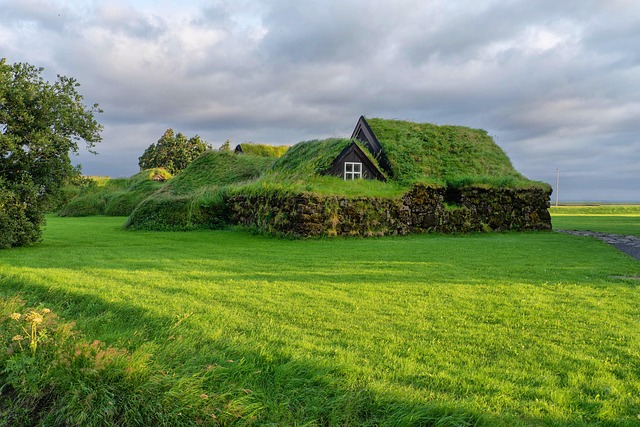
Greenery architecture has become a defining feature of contemporary design, merging ecological systems with urban form. It represents a shift from decorative landscaping to structural integration, where vegetation becomes both a functional and aesthetic element. This approach not only enhances environmental performance but also redefines human engagement with built spaces through biophilic principles that prioritize well-being, sustainability, and cultural resonance.
The Emergence of Greenery Architecture in Contemporary Design
The rise of greenery architecture marks a transformation in architectural priorities, emphasizing living systems as integral to design rather than supplementary decoration. This evolution reflects a deeper understanding of ecological interdependence and material innovation.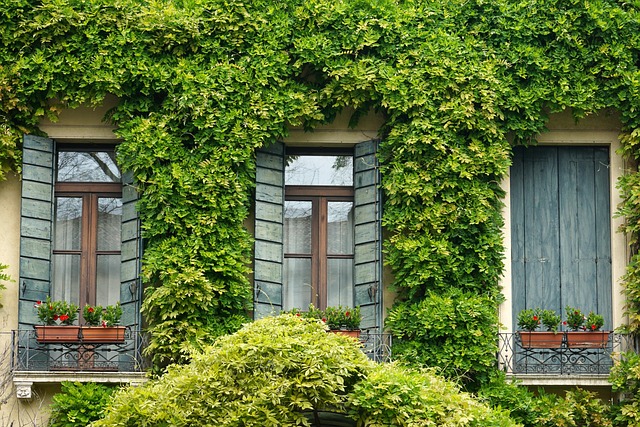
Understanding the Concept of Greenery Architecture
Greenery architecture integrates living plant systems into built environments, using vegetation as an active architectural component. Early examples focused on ornamental gardens or rooftop terraces, but modern practice embeds plants within façades, courtyards, and interior volumes. The relationship between structure and vegetation affects thermal regulation, air quality, and acoustic comfort. Architects now design buildings that breathe and respond to climate conditions through biological means rather than mechanical ones.
Historicalloading structures. Automated irrigation systems maintain consistent moisture levels while conserving water. However, long-term maintenance remains complex; plant species selection must align with local microclimates to sustain biodiversity over decades.
Spatial Experience and Human Well-being
Exposure to greenery reduces stress and enhances cognitive restoration. Studies show that employees working near indoor plants report higher satisfaction and productivity levels. Spatial sequencing that connects interior courtyards with exterior landscapes promotes continuity between indoor and outdoor experiences. The tactile textures of leaves, filtered daylight through canopies, and subtle scent variations create multisensory environments fostering mental balance.
The Interplay Between Sustainability and Aesthetic Expression
In modern practice, sustainability is no longer separate from beauty—it defines it. Greenery becomes both a technical solution and an artistic language expressing ecological intent.
Ecological Performance as Design Language
Vegetation contributes to energy efficiency by shading façades in summer and providing insulation in winter. Plants absorb carbon dioxide while releasing oxygen, contributing to urban carbon sequestration goals outlined by international environmental agencies such as IEA. Designers now quantify ecological performance using metrics like evapotranspiration rates or leaf area index to evaluate building envelopes’ environmental contribution.
Materiality, Color, and Form Inspired by Nature
Natural geometries influence spatial organization through curvilinear forms reminiscent of organic growth patterns. Color palettes drawn from forest hues or desert tones create visual calmness aligned with human circadian rhythms. Interestingly, current trends echo 1970s aesthetics—earthy textures, terracotta shades, woven materials—reflecting how cultural nostalgia merges with sustainable sensibilities similar to those seen in 70s fashion women collections emphasizing natural fibers.
Technological Advancements Enabling Green Integration
Digital tools have transformed how architects simulate ecological behavior within structures. Technology bridges biology with engineering precision.
Smart Systems for Environmental Control
Sensor-based irrigation systems adjust watering schedules according to soil moisture data. Light optimization controls artificial illumination based on daylight availability to reduce energy use while supporting plant health. AI-driven predictive maintenance identifies nutrient deficiencies or pest risks before visible symptoms occur. Digital twins simulate plant growth across seasons for accurate lifecycle planning.
Parametric Design and Data-driven Ecology
Computational modeling integrates ecological datasets into design workflows. Algorithms calculate optimal plant placement for solar access or pollutant absorption efficiency across façades. Collaboration among architects, ecologists, and data scientists creates adaptive ecosystems embedded within urban infrastructure rather than isolated decorative features.
Cultural Shifts Influencing Biophilic Aesthetics
Cultural attitudes toward nature are shifting from consumption to coexistence. This change influences everything from housing typologies to public art installations.
The Return of Naturalism in Urban Lifestyles
Amid dense urbanization, people seek restorative spaces offering sensory relief from digital saturation. The resurgence of natural aesthetics mirrors broader lifestyle trends valuing authenticity over artificiality—seen not only in architecture but also in fashion where 70s fashion women styles featuring linen suits or muted earth tones symbolize grounded elegance rooted in nature’s palette.
Global Examples of Greenery Architecture Adoption
Vertical Urban Forests in High-density Cities
Projects like vertical forests integrate thousands of trees into skyscrapers’ façades to mitigate pollution and heat island effects while enhancing biodiversity corridors within metropolitan cores.
Adaptive Reuse Projects Incorporating Green Systems
Historic warehouses converted into offices often include rooftop gardens or internal atriums filled with vegetation to meet modern sustainability standards without erasing heritage value.
Public Spaces Promoting Urban Biodiversity
Urban parks redesigned as ecological corridors support pollinator networks while doubling as recreational areas for residents seeking daily contact with nature.
Future Directions in Biophilic Architectural Practice
The next frontier lies at the intersection of biology and construction science—where buildings evolve as living entities contributing actively to ecosystems.
Research Frontiers in Living Architecture Systems
Researchers explore biomaterials capable of self-repair or photosynthesis-like energy generation. Hybrid composites combining algae-based panels with structural glass hint at future façades that clean air while producing bioenergy.
Towards Regenerative Urbanism
Regenerative frameworks envision buildings acting as net-positive organisms that restore local ecosystems rather than merely minimizing harm. Policy initiatives encourage integrating greenery architecture within zoning codes so cities evolve as interconnected habitats supporting both people and wildlife.
FAQ
Q1: What distinguishes greenery architecture from traditional landscaping?
A: It embeds living systems directly into structural components rather than treating plants as surface decoration.
Q2: How does greenery improve building energy performance?
A: Vegetation provides shading, insulation, and evaporative cooling that reduce heating and cooling loads year-round.
Q3: Why is biophilic design linked to mental health benefits?
A: Interaction with natural elements lowers cortisol levels and enhances focus through sensory engagement with organic forms.
Q4: Are vertical gardens sustainable long-term?
A: Yes if maintained properly; success depends on species selection suited to local climates and efficient irrigation management.
Q5: How do current trends connect 70s fashion women aesthetics with biophilic design?
A: Both emphasize earthy colors, tactile materials, and harmony between human expression and natural inspiration reflecting enduring ecological awareness.