
What Defines Eco Friendly Architecture in the Era of Sustainable Design
Sustainable Architecture Is More Needed Than Ever—Here’s What It Actually Means
Sustainable architecture has moved from a niche practice to a global necessity. The discipline now defines how cities adapt to climate realities while maintaining human comfort and economic stability. Eco friendly architecture no longer focuses solely on green materials; it reshapes the entire design process—from concept to demolition—around environmental ethics, lifecycle thinking, and renewable energy integration such as windmill power generation. As construction remains one of the largest carbon emitters globally, sustainable design is not just an aspiration but a professional duty.
Understanding Eco-Friendly Architecture in the Context of Sustainable Design?
Eco friendly architecture today represents a multi-dimensional approach that connects environmental science with social and economic frameworks. It aims to create buildings that contribute positively to their ecosystems while providing long-term value for communities.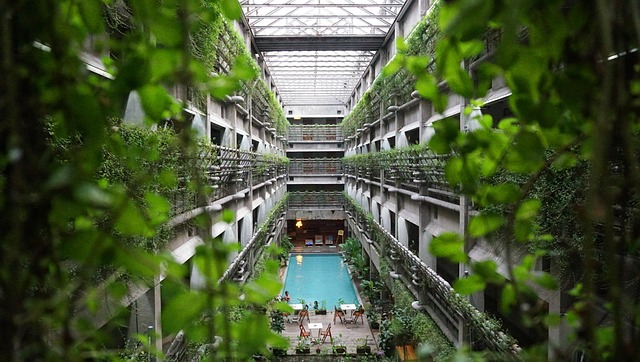
Defining Eco-Friendly Architecture in Modern Practice
Modern eco friendly architecture integrates sustainability across three pillars: environmental protection, social equity, and economic viability. The field has evolved from simple “green building” concepts to holistic frameworks that consider performance-based metrics like energy efficiency, carbon footprint reduction, and lifecycle assessment. Many practices now employ data-driven tools to track these parameters throughout design and operation phases.
The Philosophical and Ethical Foundations of Sustainable Architecture
Ethics form the backbone of sustainable architectural thinking. Architects bear responsibility not only for aesthetic outcomes but also for planetary health. Sustainability here acts as a philosophy—a continuous negotiation between human needs and ecological limits—rather than a checklist of technical solutions. Cultural context further shapes how sustainability manifests; vernacular traditions often inspire low-impact strategies suited to local climates.
Core Principles That Define Eco-Friendly Architectural Practice
Eco friendly architecture relies on principles that tie material decisions and energy systems into broader ecological cycles. These principles guide architects toward responsible construction methods that minimize environmental damage while maximizing building longevity.
Resource Efficiency and Material Responsibility
Material choice defines much of a building’s environmental impact. Low embodied energy materials, recyclability, and local sourcing reduce transportation emissions and support regional economies. Adaptive reuse—repurposing existing structures—and circular design models extend material life cycles, cutting waste significantly. Construction methods are also evaluated for their effects on surrounding ecosystems, especially in fragile landscapes.
Energy Optimization and Renewable Integration
Energy performance remains central to sustainable design discussions. Buildings consume nearly 40% of global energy; thus, reducing operational demand through smart design is critical.
Passive Design Strategies
Passive techniques use natural forces—sunlight, wind, and thermal mass—to maintain comfort with minimal mechanical intervention. Orientation ensures optimal daylight capture while shading devices prevent overheating in warmer climates. Natural ventilation strategies vary by geography but consistently aim to lower cooling loads without sacrificing air quality.
Active Systems and Windmill Power Generation
Integrating renewable technologies into architectural systems transforms buildings into micro power plants. Windmill power generation offers consistent output in coastal or elevated regions where wind resources are strong. Hybrid models combining wind, solar photovoltaic panels, and geothermal exchange balance seasonal variations in energy supply. However, scaling these systems raises challenges related to visual aesthetics, acoustic impact, and maintenance logistics within dense urban settings.
The Role of Technology in Advancing Sustainable Design Goals
Technology has become indispensable for architects pursuing measurable sustainability targets. Digital tools enable predictive modeling that refines both energy use and occupant experience long before construction begins.
Digital Tools for Performance Simulation and Optimization
Building Information Modeling (BIM) platforms now allow full lifecycle analysis—from resource extraction to demolition—helping teams quantify embodied carbon early in the process. Computational simulations test daylight distribution, airflow patterns, and thermal comfort scenarios under different climatic conditions. Artificial intelligence further enhances this by predicting operational inefficiencies over time through adaptive learning algorithms integrated into building management systems.
Smart Infrastructure and Responsive Building Systems
Sensor networks embedded within smart infrastructure continuously monitor temperature, humidity, occupancy levels, and lighting conditions to adjust resource use dynamically. Internet of Things (IoT) technologies link these sensors with centralized control systems that balance occupant well-being against real-time performance data—a practical example of technology serving sustainability rather than complicating it.
Urban Scale Sustainability: Beyond Individual Buildings
Sustainability cannot stop at a single structure’s boundary; it must extend across neighborhoods and cities where collective resilience determines long-term success.
Designing Resilient Urban Ecosystems
Urban planners increasingly adopt low-carbon mobility frameworks emphasizing pedestrian networks, cycling lanes, and electric transit corridors supported by green infrastructure like bioswales or rooftop gardens. Water-sensitive urban design (WSUD) addresses stormwater retention while enhancing biodiversity through permeable surfaces and constructed wetlands integrated into public spaces.
The Interconnection Between Architecture and Community Sustainability
Eco friendly architecture strengthens social fabric by designing inclusive public spaces that encourage interaction across demographics. Community-based renewable energy networks—such as local microgrids powered partly by windmill generation systems—demonstrate how shared infrastructure can deliver both environmental benefits and social equity.
Measuring Success in Eco-Friendly Architectural Projects
Evaluating sustainable projects requires standardized metrics that transcend subjective interpretation while allowing contextual flexibility.
Performance Metrics and Certification Frameworks
Certification systems like LEED (Leadership in Energy and Environmental Design), BREEAM (Building Research Establishment Environmental Assessment Method), WELL Building Standard, and the Living Building Challenge provide structured evaluation criteria covering energy performance, water conservation, indoor quality, materials sourcing, and site ecology. Each framework adapts differently across regions depending on regulatory environments and climatic conditions but collectively drives higher accountability within the profession.
Lifecycle Thinking in Sustainable Architecture Assessment
Lifecycle assessment extends beyond initial construction impacts to include operation, maintenance, adaptation potential, and end-of-life disposal or reuse scenarios—a cradle-to-cradle perspective essential for long-term sustainability accounting. Post-occupancy evaluations provide feedback loops allowing future projects to refine assumptions about user behavior or system efficiency based on real-world data rather than theoretical models.
Future Directions in Eco-Friendly Architectural Innovation
The next phase of sustainable design innovation lies at the intersection of material science advancements and expressive renewable integration within architectural identity itself.
Emerging Materials and Construction Technologies
Bio-based materials like mycelium composites offer lightweight yet durable alternatives with minimal embodied carbon footprints. Bamboo laminates continue gaining traction for structural applications due to rapid renewability rates compared with traditional timber species. Additive manufacturing via large-scale 3D printing allows precision fabrication using recycled aggregates or geopolymer concrete mixes that drastically cut waste during assembly phases.
Integrating Renewable Energy into Architectural Identity
Renewable systems are increasingly visible features rather than hidden components behind façades or rooftops. Windmill power generation structures can serve dual roles—as functional energy producers and sculptural elements redefining skylines toward expressive sustainability narratives where technology becomes artful storytelling about resilience culture within modern built environments.
FAQ
Q1: How does eco friendly architecture differ from traditional green building?
A: Eco friendly architecture expands beyond material selection to include ethical philosophy, lifecycle analysis, community engagement, and renewable integration such as windmill power generation.
Q2: What role does technology play in sustainable architecture?
A: Digital modeling tools like BIM allow precise simulation of building performance before construction begins while IoT sensors manage real-time efficiency after occupancy.
Q3: Are passive design strategies effective across all climates?
A: They require adaptation; orientation or ventilation methods differ between tropical zones needing cooling emphasis versus temperate ones focusing on heat retention.
Q4: Why is lifecycle assessment important?
A: It captures total environmental impact from raw material extraction through demolition or reuse ensuring decisions reflect true sustainability costs over decades not just upfront savings.
Q5: Can renewable systems enhance architectural aesthetics?
A: Yes; visible elements like wind turbines or solar arrays can become integral parts of architectural expression symbolizing transparency in environmental commitment rather than concealed machinery.