
How Can ArchDaily Green Building Principles Transform Urban Apartments
Cultivating Green Apartments: A Guide to Integrating Nature in Small Urban Spaces
Urban apartments are evolving into living laboratories of sustainability. The most progressive designs now merge energy-efficient systems, façade greenery, and biophilic principles to create homes that breathe with the city rather than fight against it. The conclusion is simple: compact spaces can be both ecologically responsible and deeply human-centered when guided by the principles of green architecture.
ArchDaily’s Green Building Philosophy
The philosophy behind archdaily green building reflects a synthesis of environmental ethics and spatial intelligence. It prioritizes how buildings interact with their ecosystems rather than how they dominate them.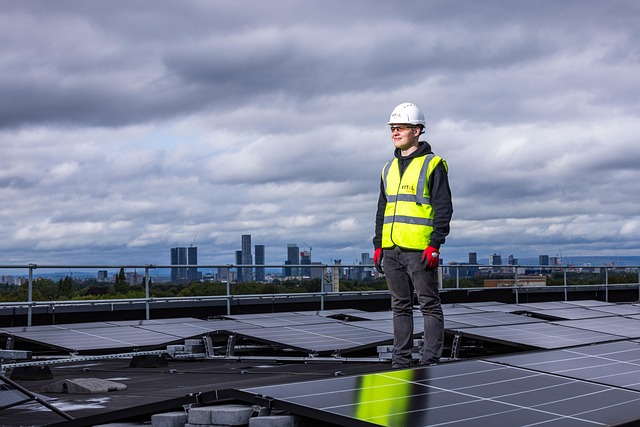
Core Principles of ArchDaily’s Sustainable Design Approach
At its core, this philosophy focuses on energy efficiency, material sustainability, and spatial optimization. Buildings are treated as dynamic systems that conserve resources through passive design and intelligent layout. Material selection emphasizes renewability and low embodied carbon, while spatial planning maximizes natural light and airflow. Biophilic design reintroduces nature into daily life, allowing occupants to experience greenery, natural textures, and organic patterns even within dense urban settings. Adaptable architecture further ensures resilience—spaces evolve with climate shifts or occupant needs without excessive reconstruction.
The Relationship Between Green Building and Urban Living
In dense urban environments, sustainable architecture plays a critical role in reducing ecological footprints. By integrating vegetation into façades and rooftops, architects can mitigate heat island effects and improve air quality. Thoughtful urban form also supports microclimate regulation—buildings shade streets, channel breezes, and filter light to create comfortable public spaces. Balancing high-density development with environmental care means designing vertically without losing the ecological intimacy once found at ground level.
Applying ArchDaily Green Building Concepts to Urban Apartments
Applying these ideas to apartment design involves translating large-scale sustainability goals into compact living strategies that still deliver measurable performance gains.
Redefining Apartment Design Through Sustainability Metrics
Apartment units can achieve lower energy demand through passive strategies such as cross ventilation, thermal massing, and orientation-based layouts. Renewable or recycled materials reduce construction emissions while maintaining structural strength. Daylighting becomes a functional metric: well-placed openings cut electric lighting needs by up to 40 percent in small dwellings. Ventilation systems designed around stack effects maintain indoor air quality without heavy mechanical reliance.
Integrating Facade Greenery into Vertical Living Spaces
Façade greenery transforms vertical surfaces into living filters that regulate temperature and clean the air. These systems require structural foresight—load-bearing frames must support soil substrates and irrigation networks without compromising façade integrity. Long-term maintenance depends on automated watering systems and modular planting trays that allow replacement without scaffolding. In cities like Singapore or Milan, vertical gardens have proven capable of lowering surface temperatures by several degrees while enhancing biodiversity at height.
The Role of Biophilic Design in Enhancing Urban Apartments
Biophilic design is not decorative; it is physiological architecture. Its inclusion in small apartments directly affects mental health, productivity, and comfort.
Psychological and Physiological Benefits of Natural Integration
Exposure to plants reduces cortisol levels and promotes relaxation. Natural light synchronizes circadian rhythms, helping residents sleep better and stay alert during the day. Organic materials such as wood or stone introduce tactile warmth absent from synthetic interiors. Studies from the International WELL Building Institute show that biophilic elements can boost cognitive performance by up to 15 percent—an important figure for remote workers confined to limited space.
Techniques for Embedding Nature Within Limited Spaces
Even micro-apartments can host nature through compact planting systems or balcony ecosystems that attract pollinators. Furniture integrated with planters encourages residents to cultivate herbs or succulents indoors. Smart irrigation technologies now use soil sensors to deliver precise water amounts, conserving resources while keeping plants healthy year-round.
Energy Efficiency Strategies Inspired by ArchDaily Projects
Energy efficiency remains central to every archdaily green building concept because it defines both environmental impact and occupant cost savings over time.
Passive Cooling and Heating Techniques for Compact Units
Orientation determines how much sunlight an apartment receives; southern exposure may need shading devices while northern-facing units benefit from added glazing for warmth. Thermal mass materials like concrete or brick stabilize indoor temperatures by absorbing heat during the day and releasing it at night. Well-planned cross ventilation reduces reliance on air conditioning—a crucial advantage in warm climates where electricity costs dominate household budgets.
Renewable Energy Integration in Urban Apartment Contexts
Rooftop photovoltaic panels generate decentralized power even on mid-rise buildings. Some projects combine solar arrays with small wind turbines or geothermal loops for hybrid generation models suited to variable weather conditions. Battery storage systems ensure energy availability during peak demand hours or grid outages, promoting resilience at both unit and community scales.
Material Innovation in Sustainable Apartment Construction
Material innovation underpins sustainable construction by addressing carbon intensity from extraction through disposal.
Environmentally Responsible Material Selection Criteria
Recycled steel, bamboo composites, or low-VOC paints contribute to healthier interiors while cutting embodied emissions. Life-cycle assessment tools quantify environmental costs across manufacturing stages so designers can make data-driven choices. Prefabricated modules further reduce waste since components arrive ready for assembly with minimal on-site cutting or discarding.
Facade Systems Supporting Ecological Performance
Double-skin façades enhance insulation while improving acoustic comfort—a dual benefit often overlooked in small apartments near busy streets. Permeable cladding allows controlled airflow behind panels for natural cooling during summer months. Adaptive façades equipped with movable louvers respond dynamically to sunlight intensity or humidity levels using embedded sensors tied to smart control systems.
Urban Regeneration Through Green Apartment Design
Green apartment projects extend benefits beyond individual buildings; they reshape entire neighborhoods toward ecological balance.
How Green Buildings Contribute to Citywide Sustainability Goals
Vegetation integrated into façades lowers surface heat gain across districts, reducing overall cooling loads citywide. Biodiversity corridors emerge as rooftop gardens connect habitats for birds or insects once displaced by urbanization. Mixed-use developments incorporating residential greenery encourage walking over driving—aligning architecture with sustainable mobility policies advocated by international agencies like IEA.
Social Dimensions of Sustainable Urban Apartments
Shared terraces or courtyard gardens foster community interaction among residents who might otherwise remain isolated in vertical towers. Affordable eco-friendly housing initiatives promote inclusivity so sustainability does not become a luxury commodity. Over time these environments subtly shift behavior—residents recycle more, consume less energy, and engage collectively in maintenance efforts.
Future Directions for Green Urban Living
Technological progress continues redefining what sustainable apartments can achieve beyond current standards of efficiency or comfort.
Technological Advancements Driving Sustainable Architecture
Smart building management systems track real-time energy use via IoT sensors embedded throughout structures. Artificial intelligence assists architects during early design phases by testing thousands of configurations for daylight access or airflow patterns before construction begins. Emerging materials such as bio-concrete capable of self-healing cracks or carbon-sequestering composites promise another leap forward in reducing lifecycle emissions.
Policy and Regulatory Frameworks Supporting Green Development
Government incentives now reward developers who pursue green certifications like LEED or BREEAM for apartment complexes. Municipal codes increasingly encourage façade greenery through density bonuses or tax rebates tied to vegetation coverage ratios. Collaboration among architects, developers, engineers, and city authorities remains essential if future urban housing is to remain livable under tightening climate constraints.
FAQ
Q1: What makes archdaily green building principles relevant for small apartments?
A: They translate large-scale sustainability goals into compact solutions such as passive ventilation, renewable materials, and façade greenery adaptable to limited footprints.
Q2: How does façade greenery improve apartment performance?
A: It acts as a thermal buffer that cools interiors naturally while filtering pollutants from surrounding air layers.
Q3: Can biophilic design be applied effectively in tiny spaces?
A: Yes; even minimal plant installations combined with natural light access significantly enhance psychological well-being.
Q4: Are renewable energy systems feasible in dense urban areas?
A: Rooftop solar arrays or shared microgrids allow decentralized generation even where individual roof space is scarce.
Q5: What role do policies play in promoting green apartment development?
A: Incentive programs and zoning reforms accelerate adoption by making eco-friendly construction financially competitive against conventional methods.