
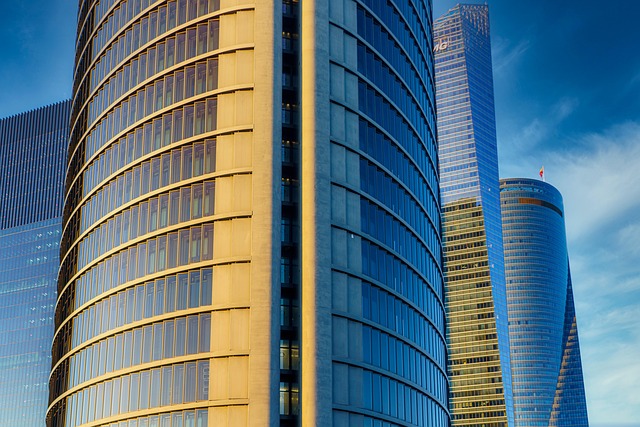
Is Architecture Eco Design Redefining Sustainable Architecture Today
Sustainable Architecture Is More Needed Than Ever—Here’s What It Actually Means
Sustainable architecture is no longer a niche practice; it has become the foundation of responsible design in the built environment. The field now extends beyond energy efficiency to embrace ecological balance, material ethics, and human well-being. Architecture eco design transforms buildings from static objects into dynamic systems that interact with their surroundings. As climate challenges intensify, this integrated approach defines the future of construction, urban planning, and living spaces.
The Evolution of Sustainable Architecture
The shift toward sustainable architecture has been gradual but profound. Early efforts focused mainly on reducing resource consumption, while modern eco design integrates environmental and cultural intelligence within architectural form.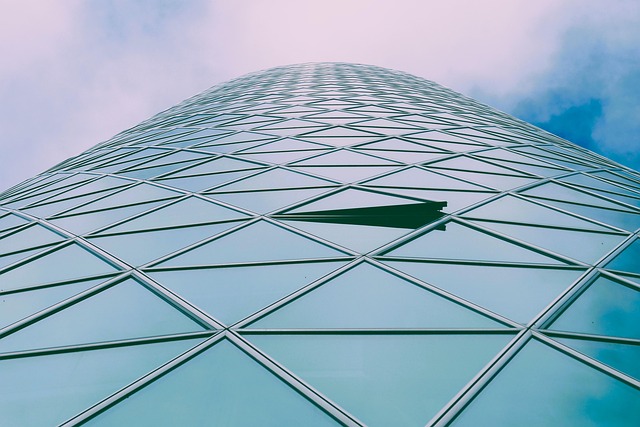
From Traditional Green Building to Eco Design
Early sustainable architecture emphasized energy conservation and efficient use of materials. Over time, eco design expanded this scope by merging social and aesthetic concerns with environmental goals. This evolution recognizes that buildings are not isolated entities but active participants in broader ecological systems. Architects now design with an awareness of how structures influence air flow, biodiversity, and even social behavior within cities.
Key Philosophies Behind Eco Design in Architecture
Eco design rests on circular principles that value reuse and adaptability over extraction and waste. Life-cycle thinking encourages designers to evaluate environmental impact from production through demolition. Nature-based solutions such as biophilic design connect occupants with natural elements—light, vegetation, water—to enhance health and productivity. Regenerative systems go further by restoring ecosystems rather than merely minimizing harm. Material reuse strategies lower embodied energy while preserving local identity through adaptive reuse projects.
Core Principles of Architecture Eco Design
At its core, architecture eco design translates sustainability into measurable performance across energy use, materials, and water management.
Energy Efficiency and Passive Design Strategies
Passive solar orientation captures sunlight for heating in winter while shading limits summer heat gain. Natural ventilation and daylighting reduce reliance on mechanical systems. High-performance envelopes—insulated walls, airtight windows—maintain comfort with minimal energy input. Smart building technologies now analyze real-time data to adjust lighting or HVAC systems automatically, balancing efficiency with occupant comfort.
Material Selection and Resource Optimization
Material choice plays a decisive role in a building’s footprint. Architects increasingly favor locally sourced timber, recycled steel, or renewable composites to cut transport emissions. Modular construction methods streamline fabrication and reduce site waste by up to 30 percent compared to traditional builds. Life Cycle Assessment tools bring transparency to material selection by revealing hidden carbon costs across a product’s lifespan.
Water Management and Ecological Integration
Water-sensitive design integrates rainwater harvesting tanks and greywater recycling into plumbing systems for irrigation or flushing. Landscapes designed with native species support biodiversity while lowering maintenance needs. Permeable pavements and green roofs manage stormwater runoff naturally, easing pressure on municipal drainage networks.
The Role of Eco Design in Contemporary Architectural Practice
Eco design is reshaping professional practice through digital tools, cross-disciplinary collaboration, and evolving policy frameworks that redefine what “sustainable” truly means.
Integrating Technology with Environmental Responsibility
Digital simulation tools allow architects to test thermal performance or daylight levels during early design stages. Building Information Modeling (BIM) coordinates data among teams throughout the project lifecycle to maintain sustainability targets from concept through operation. Artificial intelligence enhances predictive modeling for energy demand or indoor comfort patterns based on occupancy behavior—a critical step toward smarter cities.
Cross-disciplinary Collaboration in Eco Design Projects
Sustainable outcomes depend on cooperation between architects, engineers, ecologists, and urban planners who align technical precision with ecological insight. Engaging stakeholders—from local communities to policymakers—ensures projects meet both environmental goals and social expectations. Certification frameworks like LEED or BREEAM provide measurable benchmarks that guide decision-making toward verified sustainability standards recognized globally by ISO and IEA methodologies.
Rethinking House Plans for Small Homes Through Eco Design Principles
Smaller homes present an ideal testing ground for architecture eco design because every square meter counts toward efficiency without compromising comfort or aesthetics.
Compact Living as a Sustainable Strategy
Compact house plans for small homes minimize material use during construction and cut operational energy demands over decades of use. Flexible layouts allow rooms to serve multiple purposes—living space by day, sleeping area by night—making small footprints feel generous. Modular components enable future expansion without major reconstruction.
Passive Systems in Small-scale Architecture
Orientation becomes crucial in compact dwellings: large south-facing windows capture winter sun while roof overhangs block excess heat in summer months. Thermal mass materials like concrete or rammed earth stabilize indoor temperatures naturally. Cross-ventilation achieved through carefully positioned openings maintains fresh air circulation even in dense urban contexts.
Future Directions in Sustainable Architecture Through Eco Design
The next phase moves beyond sustainability metrics toward regenerative outcomes where buildings actively heal environments rather than simply reduce damage.
Regenerative Design Beyond Sustainability Metrics
Regenerative architecture aims for net-positive performance: structures that generate more clean energy than they consume or purify more water than they use. Innovative materials such as bio-concrete absorb carbon dioxide during curing; engineered timber hybrids store carbon long-term while offering structural strength comparable to steel. Buildings are envisioned as living organisms contributing nutrients back into local ecosystems.
Urban Implications of Widespread Eco Design Adoption
As cities adopt eco design principles broadly, integration with smart infrastructure allows neighborhoods to share renewable resources like solar microgrids or community gardens enhancing resilience against climate stressors. Adaptive reuse transforms obsolete factories into housing or cultural spaces instead of expanding suburban sprawl—a key strategy endorsed by IRENA reports linking urban density with reduced per-capita emissions. Policy shifts encouraging decentralized energy generation will further align architecture with circular economy objectives.
FAQ
Q1: What distinguishes eco design from traditional green building?
A: Traditional green building focuses mainly on efficiency; eco design integrates environmental performance with social value and aesthetic quality across a building’s life cycle.
Q2: How does passive design reduce operational costs?
A: By using natural ventilation, daylighting, and thermal mass instead of mechanical systems, passive strategies lower both energy bills and maintenance expenses over time.
Q3: Why is material reuse important in sustainable construction?
A: Reusing materials cuts embodied carbon significantly while preserving cultural continuity through adaptive reuse projects that repurpose existing structures.
Q4: Can small homes truly be sustainable?
A: Yes, compact house plans for small homes often outperform larger ones due to reduced resource demand per occupant combined with efficient spatial planning.
Q5: What role do digital tools play in eco design?
A: Tools like BIM and AI-driven simulations allow precise modeling of environmental performance before construction begins, improving accuracy in achieving sustainability targets across the project lifecycle.