

Is Green Building Architecture the Key to Why UH Leads the State in Sustainability
UH Leads the State With Largest Inventory of ‘Green’ Buildings
The University of Houston (UH) has emerged as a statewide leader in sustainable infrastructure, boasting the largest portfolio of certified green buildings among Texas universities. This achievement reflects a deep institutional drive to align campus development with environmental stewardship, energy efficiency, and long-term resilience. Through a combination of policy innovation, architectural excellence, and technology integration, UH demonstrates how higher education can lead by example in addressing climate challenges through design.
The Foundation of UH’s Sustainability Leadership
UH’s sustainability leadership is built on a clear institutional framework that merges environmental responsibility with operational efficiency. The university’s approach extends beyond compliance; it embeds sustainability into every stage of planning and construction.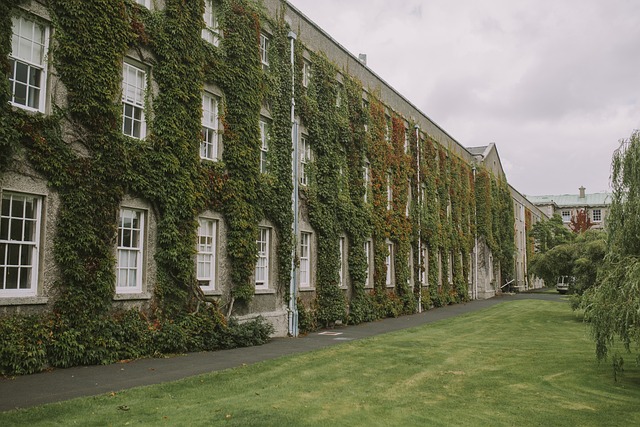
Understanding UH’s Commitment to Sustainable Development
UH’s sustainability goals focus on reducing carbon emissions, conserving resources, and improving indoor environmental quality across all campuses. These objectives guide both new developments and retrofits. Environmental responsibility is integrated into campus operations through waste reduction programs, energy management systems, and sustainable procurement policies. Each project aligns with state and national green building standards such as LEED certification under the U.S. Green Building Council framework.
The Role of Policy and Governance in Sustainability Progress
Policy plays a decisive role in maintaining UH’s sustainability trajectory. University-level guidelines require all major construction projects to meet or exceed LEED Silver standards. Collaboration between administrators, architects, and engineers ensures that every facility meets performance benchmarks for energy use, water conservation, and occupant well-being. Long-term metrics—like energy intensity per square foot—are tracked annually to evaluate progress toward institutional targets.
Green Building Architecture as a Strategic Driver
The architectural philosophy at UH treats green building architecture not merely as an aesthetic choice but as a strategic instrument for sustainability transformation.
Principles of Green Building Design at UH
Design principles emphasize energy-efficient systems, low-impact materials, and passive strategies that harness natural light and ventilation to reduce mechanical loads. Buildings are oriented to optimize solar gain while minimizing heat absorption in Houston’s subtropical climate. Renewable energy sources such as photovoltaic panels are incorporated within architectural frameworks to offset grid demand.
Architectural Innovations Supporting Environmental Goals
Architectural teams employ advanced insulation technologies, smart controls for HVAC systems, and water-saving fixtures throughout campus facilities. Adaptive reuse projects—like transforming outdated laboratories into modern learning centers—demonstrate how existing structures can achieve new life with minimal carbon cost. Green roofs and sustainable landscaping contribute to biodiversity while mitigating heat-island effects common in dense urban areas.
Measuring the Impact: UH’s Green Building Inventory
A quantitative assessment of UH’s building inventory reveals the scale of its achievements in sustainable design compared with peer institutions across Texas.
Quantifying UH’s Green Infrastructure Leadership
UH currently leads the state in total floor area certified under recognized sustainability rating systems. This leadership position underscores consistent investment in environmentally responsible construction over the past decade. Evaluation criteria include metrics from LEED certification categories such as Energy & Atmosphere and Water Efficiency.
Operational Efficiency and Performance Outcomes
Measured outcomes show notable reductions in annual energy consumption due to high-performance façades and efficient lighting systems. Water usage has declined through low-flow installations and rainwater harvesting initiatives applied across multiple facilities. Maintenance costs have decreased as durable materials extend building life cycles while reducing replacement frequency.
Technology Integration in Sustainable Architecture
Technology serves as both an enabler and amplifier of UH’s sustainability strategy by providing real-time data for smarter building management.
Smart Building Systems Enhancing Efficiency
IoT sensors continuously monitor temperature, humidity, occupancy levels, and air quality within campus buildings. Data analytics platforms interpret these readings to support predictive maintenance schedules that minimize downtime and resource waste. Centralized dashboards display performance metrics publicly, reinforcing transparency across the university community.
Renewable Energy Infrastructure on Campus
Solar photovoltaic arrays now operate on several academic buildings and parking structures, directly supplying renewable power to campus grids. Electric mobility infrastructure is expanding too—students searching “evgo near me” will find charging stations conveniently located near major parking hubs. Integration between renewable generation systems and battery storage enhances resilience during peak demand or grid disruptions.
Educational and Community Influence Through Green Design
Sustainability at UH extends beyond physical infrastructure into education, research, and civic engagement that shape broader environmental awareness.
Academic Programs Supporting Sustainable Architecture Research
Interdisciplinary programs unite architecture, engineering, and environmental science departments around shared research themes such as life-cycle assessment (LCA) of materials or zero-energy design prototypes. Students participate in design-build studios where projects test real-world applications of sustainable principles—from recycled materials to passive cooling techniques relevant to Gulf Coast climates.
Community Partnerships Advancing Sustainability Awareness
UH collaborates with municipal agencies and private developers to promote statewide adoption of green building standards. Public workshops highlight lessons learned from campus projects while fostering dialogue on policy innovation for urban sustainability planning. These partnerships position UH as both a knowledge hub and demonstration site for responsible architectural practice.
Future Pathways for Expanding UH’s Sustainable Leadership
Looking ahead, UH aims to deepen its influence by embedding net-zero ambitions into future developments while aligning its strategies with citywide climate frameworks.
Scaling Green Building Practices Across New Developments
Upcoming capital projects are designed around net-zero energy targets supported by renewable microgrids and high-efficiency envelopes. Post-construction audits will provide continuous feedback loops for refining future designs based on measured performance data rather than projections alone.
Strengthening the Connection Between Architecture and Urban Sustainability Goals
By coordinating with local urban planning authorities, UH seeks to synchronize campus expansion with broader transportation electrification efforts—including regional EV networks—and stormwater resilience initiatives. This alignment strengthens Houston’s overall capacity for climate adaptation while positioning the university as a model institution for sustainable infrastructure transformation statewide.
FAQ
Q1: What makes UH the leader in green building architecture?
A: Its consistent application of certified design standards across all major facilities gives it the largest inventory of sustainable buildings among state universities.
Q2: How does technology improve sustainability performance at UH?
A: Smart sensors collect real-time data on energy use that supports predictive maintenance and efficient system control across campuses.
Q3: Are students involved in sustainability initiatives?
A: Yes, through interdisciplinary courses and hands-on design-build projects focusing on low-carbon materials and renewable integration.
Q4: What renewable technologies are used on campus?
A: Solar PV arrays supply electricity while electric vehicle charging stations expand access for clean transportation options like “evgo near me”.
Q5: How does UH plan to maintain its leadership?
A: By scaling net-zero goals into new developments and aligning future designs with Houston’s urban climate resilience strategies.