

Can Eco Architecture Transform With Iowa’s Puddle Pavilion Innovation
Iowa’s Puddle Pavilion: An Algae-resin Canopy Redefining Sustainable Architecture
Eco architecture is moving beyond energy efficiency toward a regenerative relationship with nature. Iowa’s Puddle Pavilion embodies this shift, merging biological materials and digital fabrication into a living model of environmental design. The project’s algae-resin canopy demonstrates how renewable resources can rival conventional composites in strength and performance while reducing carbon impact. This article explores its design logic, material innovation, and broader implications for sustainable architecture and mobility systems such as Toyota EV cars.
The Emergence of Eco Architecture in Contemporary Design
Eco architecture today reflects an evolving mindset that prioritizes ecological balance over industrial convenience. It merges scientific research with cultural responsibility, aiming to build environments that sustain both people and ecosystems.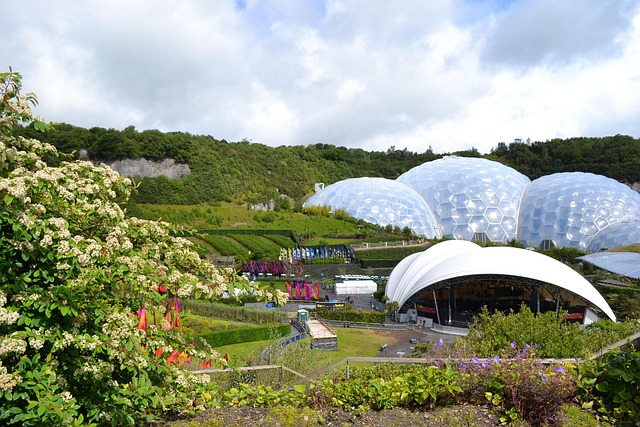
Defining the Principles of Eco Architecture
Eco architecture operates on three pillars: minimizing environmental impact, integrating natural processes, and promoting circular economies. Architects employ passive systems for heating and cooling, use renewable materials like bamboo or biopolymers, and design for disassembly to extend material lifecycles. This approach transforms buildings from static objects into adaptive systems that coexist with their surroundings.
The Role of Innovation in Sustainable Architectural Practices
Innovation drives the evolution of eco architecture through technology and collaboration. Digital modeling tools enable precision in material use, while sensors monitor building performance in real time. Engineers and environmental scientists contribute data on energy flows, leading to regenerative models where structures actively restore ecological health rather than merely reduce harm.
Iowa’s Puddle Pavilion: A Case of Material and Conceptual Innovation
The Puddle Pavilion exemplifies how research installations can pioneer sustainable architectural methods. Its conception as both experiment and public space highlights the potential of eco-centric design to influence mainstream construction practices.
Overview of the Puddle Pavilion Project
Developed as a research-driven installation in Iowa, the pavilion investigates bio-based materials derived from algae. It functions as a prototype for future public structures that merge biological processes with architectural form. Visitors experience how living materials can shape light, temperature, and texture within built spaces.
The Algae-resin Canopy: Composition and Functionality
The pavilion’s canopy combines algae-derived biopolymers with natural resins to achieve flexibility and tensile strength. The translucent surface filters sunlight, creating a microclimate beneath it while maintaining visual comfort. Unlike petroleum-based composites, this bio-composite emits significantly less carbon during production and can biodegrade at end-of-life stages without toxic residue.
Structural Logic and Environmental Performance
Inspired by puddle formations after rainfall, the canopy geometry channels water toward collection points integrated into the structure. Its porous surface promotes evaporative cooling similar to natural wetlands. Collected rainwater is reused for irrigation or evaporative cooling on-site—an elegant example of circular resource management embedded within form-making.
Material Ecology: Bridging Biology and Architecture
Material ecology connects biological growth processes with architectural production, redefining how materials are sourced and fabricated. It shifts focus from extraction to cultivation.
Algae as a Renewable Building Resource
Algae’s rapid growth rate makes it an ideal renewable source for bioplastics and coatings that sequester carbon during formation. Research shows algae-based polymers can replace petrochemical plastics in façade panels or insulation foams. However, scaling production remains challenging due to cost variability and durability under fluctuating climates.
Resin Technologies for Sustainable Construction
Bio-resins synthesized from plant oils or microbial fermentation present viable alternatives to epoxy resins used in composites. Their recyclability supports closed-loop construction cycles aligned with circular economy goals. When paired with digital fabrication techniques such as robotic extrusion or 3D printing, these resins allow architects to produce complex geometries with minimal waste.
Integrating Eco Architecture with Broader Sustainable Mobility Trends
The intersection between architecture and mobility reveals shared ambitions: reducing emissions through lightweight materials and efficient energy systems.
Parallels Between Architectural and Automotive Sustainability Efforts
Both sectors aim to lower lifecycle emissions by adopting recyclable composites and renewable inputs. Closed-loop manufacturing used in automotive industries could inform prefabrication strategies in building design where components are reused instead of discarded.
Lessons from Toyota EV Cars for Architectural Design Thinking
Toyota EV cars illustrate how lightweight composite shells improve efficiency without compromising safety—principles relevant to structural envelopes in eco architecture. Battery energy management parallels building-integrated storage systems that balance solar generation across daily cycles. Both rely on data analytics to refine performance continuously over time.
Redefining Urban Spaces Through Bio-integrated Design Approaches
Urban environments benefit when experimental installations demonstrate tangible sustainability outcomes rather than abstract ideals.
The Role of Installations Like Puddle Pavilion in Urban Transformation
As a living laboratory, the pavilion invites citizens to engage directly with eco-materials through sensory experience—seeing algae panels shift color under sunlight or feeling cooler air beneath its canopy fosters awareness beyond technical data sheets.
Future Directions for Eco Architecture Inspired by Biological Systems
Future designs may feature façades that open or close like plant leaves responding to humidity or sunlight intensity. Integrating photosynthetic organisms into walls could purify air or generate bioelectricity locally. Collaboration between architects and synthetic biologists may soon yield self-healing building skins capable of repairing microcracks autonomously.
Evaluating the Transformative Potential of Iowa’s Puddle Pavilion Innovation
Assessing innovation requires more than aesthetic judgment; it demands quantifiable environmental metrics tied to lifecycle performance.
Measuring Impact Beyond Aesthetics and Functionality
Metrics such as embodied carbon reduction per square meter or water reuse efficiency provide measurable evidence of sustainability claims. Transparent reporting enables peer review within professional circles—a practice increasingly required by certification bodies like LEED or BREEAM.
Implications for Future Research and Practice in Eco Architecture
The pavilion encourages exploration into hybrid material systems combining natural fibers with synthetic reinforcements responsibly sourced. Educational programs linking architectural studios with ecological science departments could foster next-generation designers fluent in both biology and engineering principles—positioning architecture not just as mitigation but regeneration at planetary scale.
FAQ
Q1: What makes Iowa’s Puddle Pavilion unique among eco architecture projects?
A: Its integration of algae-derived biopolymers within structural design creates both functional shading and active environmental regulation uncommon in conventional pavilions.
Q2: How does the algae-resin canopy contribute to sustainability?
A: It replaces petroleum-based composites with biodegradable materials while offering thermal comfort through passive cooling effects derived from its porous structure.
Q3: Can technologies from Toyota EV cars influence architectural sustainability?
A: Yes, lightweight composite innovations used in Toyota EV cars inspire architects seeking strong yet low-carbon structural materials adaptable for façades or modular panels.
Q4: What challenges limit large-scale adoption of bio-based construction materials?
A: Cost fluctuations, limited supply chains for bio-polymers, and durability testing under diverse climates remain significant barriers before mass-market application becomes feasible.
Q5: How might future cities incorporate lessons from projects like the Puddle Pavilion?
A: Cities could integrate bio-integrated installations into parks or transit hubs as climate-moderating structures that also educate the public about renewable material ecosystems driving urban resilience.