

Regenerative Architecture 2026: Designing Structures That Heal the Environment
2026 Guide to Regenerative Architecture: Building Structures That Heal
The coming years will change your views on green building and planning. Moving from simple sustainability to full regeneration means that buildings do not just cut down on damage anymore. They work to fix ecosystems, boost people’s health, and add good things to nature. This guide looks at how regenerative architecture is changing the world of built spaces in 2026. It mixes smart eco ideas with new material tech and rules for using resources in loops.
What Is Regenerative Architecture?
Regenerative architecture goes past basic green design. Sustainable ways focus on cutting bad effects. But regenerative systems aim for real gains. These are buildings that clean water, make power, and help wildlife grow. In real life, this involves making projects act like living parts of their surroundings.
The Philosophy Behind Regeneration
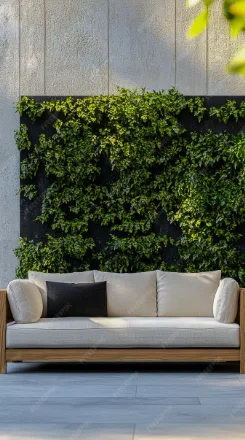
The main idea in regenerative architecture treats buildings as part of nature’s flows. Structures do not stand alone from their areas. Instead, the approach pushes for close ties. It uses stuff from nearby spots, fixes bad land, and cleans air with plants and nature-like features. You could spot this in work where roofs turn into spots for bees and butterflies. Or walls that pull out dirty bits from the air. I recall a small project in a city park. They added climbing vines to an old wall. Not only did it look nicer, but it also cooled the area on hot days. That kind of simple change shows how these ideas play out in everyday spots.
Comparing Sustainable and Regenerative Design
Green building often stresses saving: less power use or fewer gases from fuels. Regenerative planning goes deeper. It wonders how a structure can return more than it takes. Take an office area as an example. A regenerative one might make extra sun power. Then it shares that with homes close by. Or it cleans rain water before letting it flow to streams. In one case I heard about, a school building did just that. It cut its energy bills by 40% and even sold power back to the grid. Such stories highlight the extra step regenerative takes.
How Do Material Innovations Shape Regenerative Architecture?
Materials sit right at the center of regenerative work. They set a building’s mark on the earth from start to end—from pulling them out of the ground to throwing them away or using again.
Bio-Based and Living Materials
A big thrill comes from new bio-based stuff like mycelium mixes, hempcrete, and walls grown from algae. These hold onto carbon. Plus, they break down on their own when done. Some labs work on concrete that fixes itself. It uses tiny bugs to fill in breaks by itself. This could make buildings last much longer. Imagine a bridge in a rainy place. Cracks appear from weather, but the material seals them without workers climbing up. That’s practical magic for tough spots. And in tests, these self-healing types have shown to last twice as long under stress.
Circular Economy in Construction
A regenerative way sees trash as useful. Circular building plans stress parts that fit together and come apart easy. So, pieces can go back into use or get reworked without losing value. In city settings, projects that change old plants into homes or fun areas show this loop in action. For instance, an old warehouse in a busy town got turned into apartments. They kept the brick walls and added solar panels. No new waste, just smart reuse. This not only saves money but also keeps the history feel alive.
Can Urban Systems Become Regenerative?
Towns often seem like loads on nature. Yet, regenerative rules can turn them into fixing setups.
Blue-Green Infrastructure
City planners mix blue-green setups. These handle water (blue) with plants (green) to deal with storm water. At the same time, they help wildlife thrive. Picture paths of green that link parks to wet areas. Or small gardens that soak up run-off before it hits rivers. These cut flood chances. And they make homes for local animals. In a real example from Seattle, such systems stopped floods during heavy rains. They saved millions in repair costs. Plus, birds and insects moved in, making the place livelier.
Energy-Positive Districts
Regenerative towns target areas that make more power than they use. They do this with small sun grids, earth heat systems, and shared heat from clean sources. By spreading out power making and holding, groups get stronger against blackouts. And they slash pollution a lot. Think of a neighborhood in Denmark. It runs on wind and sun alone. Homes stay warm in winter without extra fuel. That’s real proof it works in cold weather too.
What Role Does Technology Play in Regeneration?
Tech tools speed up regenerative ways. They let people model things just right and watch in real time.
Data-Driven Design
Building Information Modeling (BIM) works with sim software for nature. Architects guess how a place will handle sun, wind, and water before starting to build. This cuts waste in the making phase. It also makes sure the building does well for the eco goals over time. For a hospital project, teams used this to plan windows that let in light without glare. Patients felt better, and energy use dropped by 25%. It’s those details that make tech feel human-friendly.
Smart Monitoring Systems
Sensors built into walls or outer parts check wet levels, air cleanness, power moves, and even dirt health on green tops. The info helps with upkeep choices. So, buildings stay helpful to nature all through their years. They do not just wear down. In one office tower, these sensors spotted a leak early. Fixed it quick, saving water and avoiding mold. Simple wins like that keep things running smooth.
How Does Human Health Fit Into Regenerative Architecture?
Fixing goes beyond nature to people too.
Biophilic Design Principles
Biophilic planning links users to the outdoors with real light, natural stuff, sights of plants, and air flows like outside. Research finds these spots lower stress by up to 15%. They also sharpen thinking. That’s a clear plus for jobs and learning places. I’ve seen it in a library redesign. Kids read more under skylights with tree views. Attendance went up noticeably.
Social Regeneration Through Design
More than body health, planning can build strong groups. Common gardens, bendy public spots, and local stuff tie people closer. They help nearby jobs too. Here, fixing becomes green and people-based. It’s a full way for happy towns. One community center used old wood from local trees. Folks gathered to build it, sharing stories. That bond lasted years after.
What Are the Challenges Ahead for 2026?
Growth is there, but hurdles slow full use of regenerative architecture.
Policy and Certification Gaps
Most green checks look at saving, not fixing. New rules like the Living Building Challenge start to cover this. They demand good eco effects in many areas—from water match to fair shares for all. But rules differ around the world. In Europe, some cities push hard for these. In other places, laws lag. That mix makes it tough to spread evenly.
Economic Viability
Starting costs for these projects can run higher. That’s from new tech or special stuff. But full-life checks show the money comes back. Less fixes needed, and happier people work better over years. A factory switch to regenerative cut its bills by 30% in five years. Owners said it was worth the first push.
Future Directions in Sustainable Building and Design
By 2026, green building and planning will head to true fixing. Data work joins with nature know-how. Look for wood towers that hold carbon big-time. Or city blocks that act like tiny nature spots for bees. Schools will matter a lot. Builders who know eco will lead teams mixing tech with land fix-up. Sometimes, I think about how kids today will see these buildings as normal. That’s the real shift. The big aim stays clear and deep: places that mend, not hurt. That’s the base for a world that fixes itself.
FAQ
Q1: What differentiates regenerative architecture from sustainable design?
A: Sustainable design minimizes damage. Regenerative architecture creates positive environmental outcomes such as restoring ecosystems or producing surplus clean energy.
Q2: Which materials best support regenerative construction?
A: Bio-based options like hempcrete or mycelium composites excel because they store carbon naturally while being biodegradable at end-of-life stages.
Q3: How does technology enhance regenerative outcomes?
A: Tools like BIM modeling simulate environmental interactions before construction begins while sensors track ongoing performance for adaptive management.
Q4: Can existing buildings become regenerative?
A: Yes. Through retrofitting strategies such as adding green roofs or renewable energy systems, older structures can transition toward net-positive performance levels.
Q5: What economic benefits come from adopting regenerative design?
A: Though upfront costs may rise slightly, long-term savings emerge via lower operational expenses and healthier environments boosting occupant productivity.