
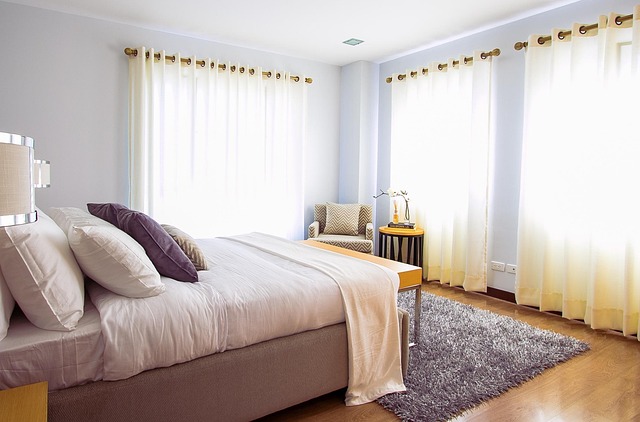
How Can Bedroom Decoration Design Transform a North-Facing Room Effectively
How to (and how not to) Decorate a North-Facing Room
North-facing bedrooms are often admired for their calm, consistent light but can easily feel cold or dim if designed poorly. The key to successful bedroom decoration design in such spaces is to amplify warmth, balance visual depth, and control light direction. Using warm color palettes, layered lighting, and reflective materials can transform a cool-toned room into a serene retreat. Conversely, stark whites, heavy furniture, and poor light planning can emphasize gloominess. The best results come from understanding how natural and artificial light interact with surfaces, colors, and textures throughout the day.
Understanding the Characteristics of a North-Facing Bedroom
A north-facing bedroom has a distinct relationship with daylight. Its orientation means it receives steady but subdued illumination, which shapes every design decision from wall color to material finish.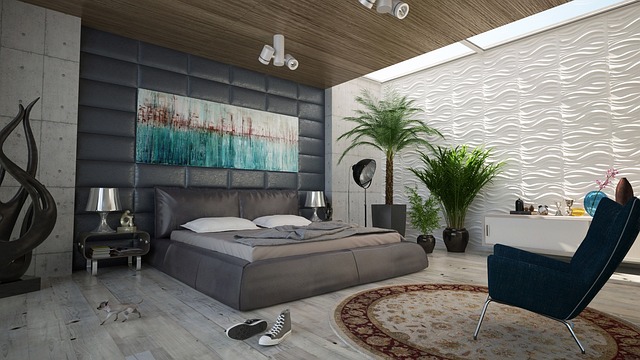
The Impact of Natural Light Orientation
North-facing rooms receive cooler, indirect light throughout the day. This type of illumination lacks the direct warmth of southern exposure and often casts subtle shadows that soften edges and textures. Because sunlight never enters directly, the ambiance tends to be muted—ideal for restful spaces but challenging when warmth is desired. Seasonal variations also affect perception: in winter months the light becomes bluer and less intense, while in summer it appears softer yet still neutral.
Identifying Architectural and Environmental Constraints
The architectural structure largely determines brightness levels. Window placement and size dictate how much daylight reaches interior zones. A single small window on a shaded street will produce far less luminosity than a wide bay window facing an open garden. External obstructions such as nearby trees or neighboring buildings further limit brightness. Ceiling height also plays a role; higher ceilings allow better diffusion of available light across surfaces.
Strategic Use of Color to Enhance Light and Warmth
Color selection is one of the most effective ways to offset the cool tone typical of north-facing rooms. A well-balanced palette can visually raise temperature without relying on artificial heat or excessive lighting.
Selecting a Balanced Color Palette
Warm neutrals like beige or creamy taupe help neutralize blue undertones from indirect daylight. Soft pastels—pale peach, muted coral, or dusty rose—create gentle warmth without overpowering serenity. Earthy tones such as sand or clay bring grounded comfort suitable for bedrooms. Overly stark whites should be avoided since they tend to appear gray under low natural light conditions. Layering tonal variations within the same hue family adds subtle depth that keeps walls from feeling flat.
The Role of Accent Colors in Visual Temperature Adjustment
Accent colors are essential tools for adjusting perceived warmth. Introducing terracotta cushions or ochre lampshades can instantly balance cooler undertones from ambient light. Metallic finishes like brass handles or gold-framed mirrors reflect both natural and artificial light while adding sophistication. Dark hues—navy trims or charcoal headboards—can define architectural lines without closing in the space when used sparingly.
Optimizing Artificial Lighting for Functional and Aesthetic Balance
Artificial lighting compensates for limited daylight while shaping mood transitions from morning routines to evening relaxation.
Layering Light Sources for Versatility
A multidimensional approach works best: ambient lighting provides general illumination; task lights serve reading areas; accent lighting highlights artwork or textured walls. Adjustable fixtures let occupants fine-tune brightness based on activity or time of day. Dimmers are invaluable—they allow smooth transitions between functional brightness and cozy evening glow.
Choosing Appropriate Lighting Fixtures and Technologies
LED bulbs with warm color temperatures (around 2700K–3000K) replicate natural comfort better than cool white variants. Wall sconces near mirrors expand perceived width by reflecting soft beams laterally across surfaces. Concealed strip lighting under shelves adds depth without cluttering sightlines. Reflective finishes on furniture or décor amplify distribution by bouncing artificial rays around the room’s perimeter.
Material Selection to Amplify Light Reflection and Texture Depth
Material choice determines how effectively available light interacts with surfaces—both visually and tactilely.
Surface Finishes That Maximize Brightness
Semi-gloss paints subtly reflect incoming rays without producing harsh glare common in glossy finishes. Satin finishes on cabinetry maintain elegance while diffusing reflections evenly. Mirrors placed opposite windows double perceived brightness by redirecting daylight deeper into the room core. Light-toned flooring materials such as pale oak or limestone tiles enhance luminosity from below eye level.
Textural Contrast for Visual Comfort
Combining matte textiles with reflective accents prevents monotony often seen in monochromatic schemes. Natural fibers like linen curtains or wool throws introduce tactile softness that balances sleek surfaces like glass tables or polished metals. Layered fabrics—double curtains, textured rugs—also improve acoustics by absorbing sound reflections typical in minimalistic interiors.
Spatial Planning for Functionality and Psychological Comfort
Furniture arrangement shapes both physical ease and emotional response within limited-light environments.
Furniture Placement in Relation to Light Flow
Key furniture pieces should sit near windows whenever possible: placing a reading chair beside natural light enhances usability without extra electricity consumption. Maintaining open sightlines between doorways and windows creates spatial continuity that visually expands compact bedrooms. Avoid bulky wardrobes blocking daylight paths; instead use low-profile storage solutions along darker walls.
Integrating Functional Zones Without Overcrowding
Defining sleeping, reading, and storage areas through subtle cues—like rug placement or directional lighting—keeps layouts fluid yet organized. Multifunctional furniture such as ottomans with concealed storage saves space while preserving elegance crucial in professional-grade bedroom decoration design projects. Clear circulation paths reduce visual clutter that can exaggerate dimness.
Incorporating Biophilic Elements for Warmth and Vitality
Bringing nature indoors offsets sterility common in low-light settings while promoting calmness through texture and color diversity.
Natural Elements That Complement North-Facing Conditions
Shade-tolerant plants like ferns, peace lilies, or snake plants thrive under indirect illumination typical of north-facing orientations. Organic materials such as reclaimed wood headboards or stone side tables introduce inherent warmth absent from synthetic finishes. Small water features add gentle movement that enlivens static compositions without overwhelming tranquility essential for rest zones.
Enhancing Connection Between Interior and Exterior Views
Window treatments should frame outdoor greenery rather than obscure it; sheer fabrics allow filtered visibility while maintaining privacy. Incorporating botanical motifs into artwork or embroidered linens strengthens visual harmony between indoor décor and external landscapes—a principle consistent with biophilic design philosophy widely recognized by environmental psychologists.
Advanced Design Techniques for Expert-Level Application
For professionals seeking refined control over aesthetics and performance, advanced strategies combine geometry with technology to achieve adaptive comfort year-round.
Utilizing Reflective Geometry in Spatial Composition
Angled ceiling planes or slanted wall panels can redirect scarce daylight deeper into interiors where conventional reflection fails. Recessed detailing around moldings enhances shadow play under low illumination conditions, adding perceived dimension even when actual brightness remains modest.
Integrating Smart Design Systems for Adaptive Environments
Automated lighting systems capable of adjusting color temperature throughout the day mimic circadian rhythms beneficial for sleep quality according to IEEE human-centric lighting studies (IEEE Std 1789). Smart blinds respond dynamically to exterior brightness levels to regulate glare while conserving energy—a method aligned with ISO 50001 energy management principles adopted across sustainable architecture practices worldwide.
FAQ
Q1: What paint colors work best for north-facing bedrooms?
A: Warm neutrals like beige or cream balance cool natural light effectively; avoid pure whites that may appear grayish under indirect sunlight.
Q2: How can artificial lighting make a dark bedroom feel brighter?
A: Combine layered sources—ambient ceiling lights, bedside task lamps, accent strips—and use dimmers to adjust mood intensity flexibly through day-night cycles.
Q3: Do mirrors really help brighten north-facing rooms?
A: Yes, positioning mirrors opposite windows reflects available daylight deeper into interiors, improving overall brightness perception significantly.
Q4: Which plants thrive best in low-light bedrooms?
A: Ferns, peace lilies, pothos vines, and snake plants adapt well to shaded environments typical of north-oriented spaces.
Q5: Is it advisable to use dark furniture in these rooms?
A: Dark pieces work if balanced with lighter surroundings; contrast defines structure but should not dominate limited luminosity areas within bedroom decoration design schemes.